Practical information Dominican Republic
Our practical information is compiled by Joy and our team based in Santo Domingo, drawn from concrete questions we receive each week. You'll find detailed entry requirements at Las Américas airport (tourist card included in most airline tickets for 30-day stays), recommended vaccinations (hepatitis A and B, typhoid, DTP booster), the real situation regarding dengue, which circulates in waves during the wet season, plus a budget guide in Dominican pesos (DOP) with an average rate around 60 DOP per euro. On transportation, we explain when to take local guaguas, when to opt for domestic flights between Santo Domingo and Punta Cana, and why we recommend a private driver for the Cordillera Central. Tropical climate varies by region: constant 28°C on the coast, cooler temperatures in Constanza and Jarabacoa, hurricane season from June to November with a peak in September. We also cover Dominican etiquette (greetings, dress codes in churches, customary tips around 10%), safety with standard precautions for Santo Domingo and tourist areas, and health essentials (bottled water, sun protection, mosquito repellent in mangrove zones). All this information is verified and regularly updated by our on-the-ground team.
Plan your trip by theme
Explore our practical guides organized by category to quickly find the information you need.
Before You Go
Tourism map, passport validity, recommended vaccines, travel insurance and formalities to arrange before departing for the Dominican Republic.
3 articles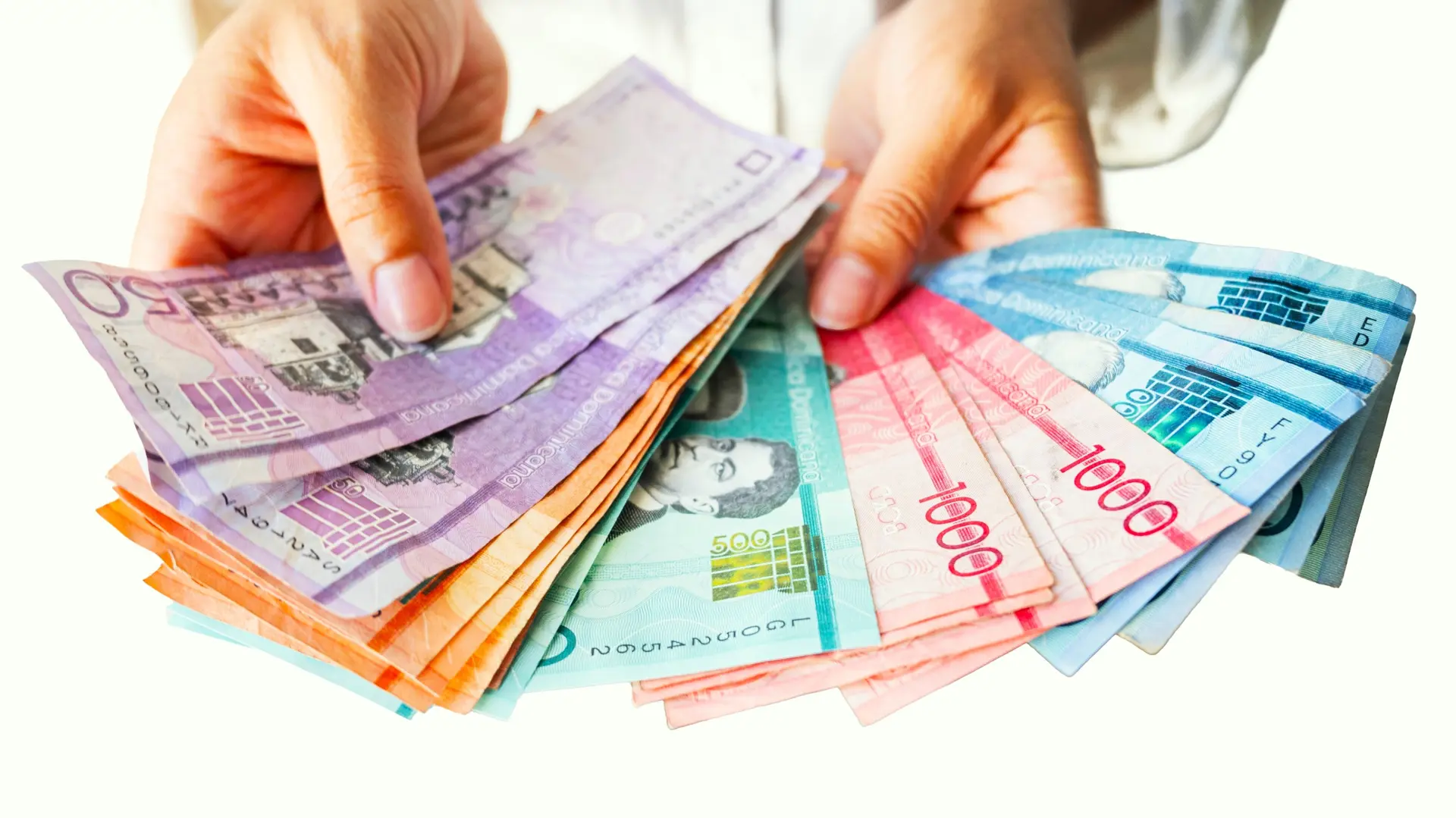
Budget Money
Dominican peso, reference exchange rate, average daily budget, credit cards, ATMs and local tipping customs.
1 article
Climate Season
Dry season, rainy season, cyclone period, temperatures at coast and altitude, best months by region.
1 article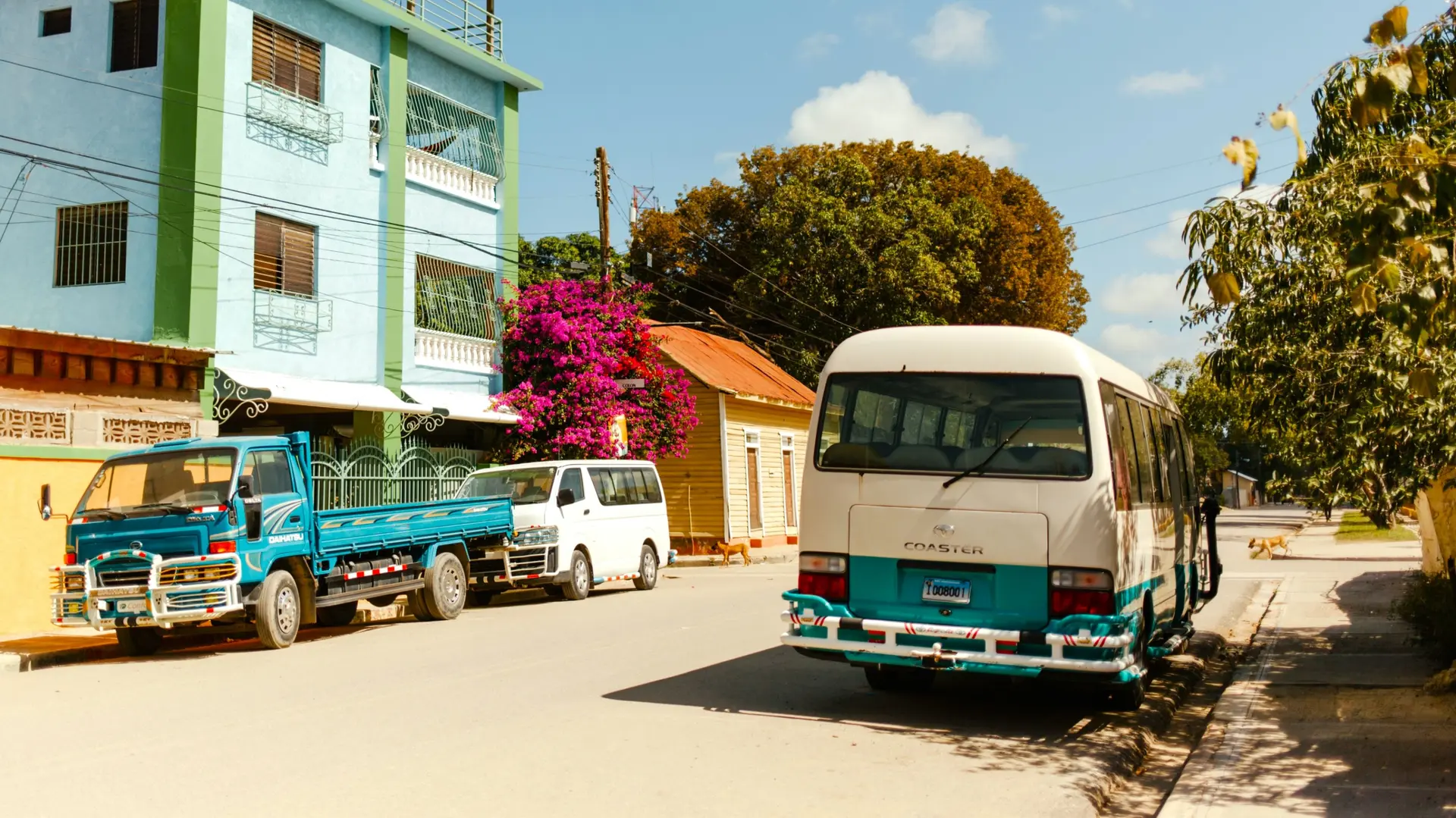
Transports
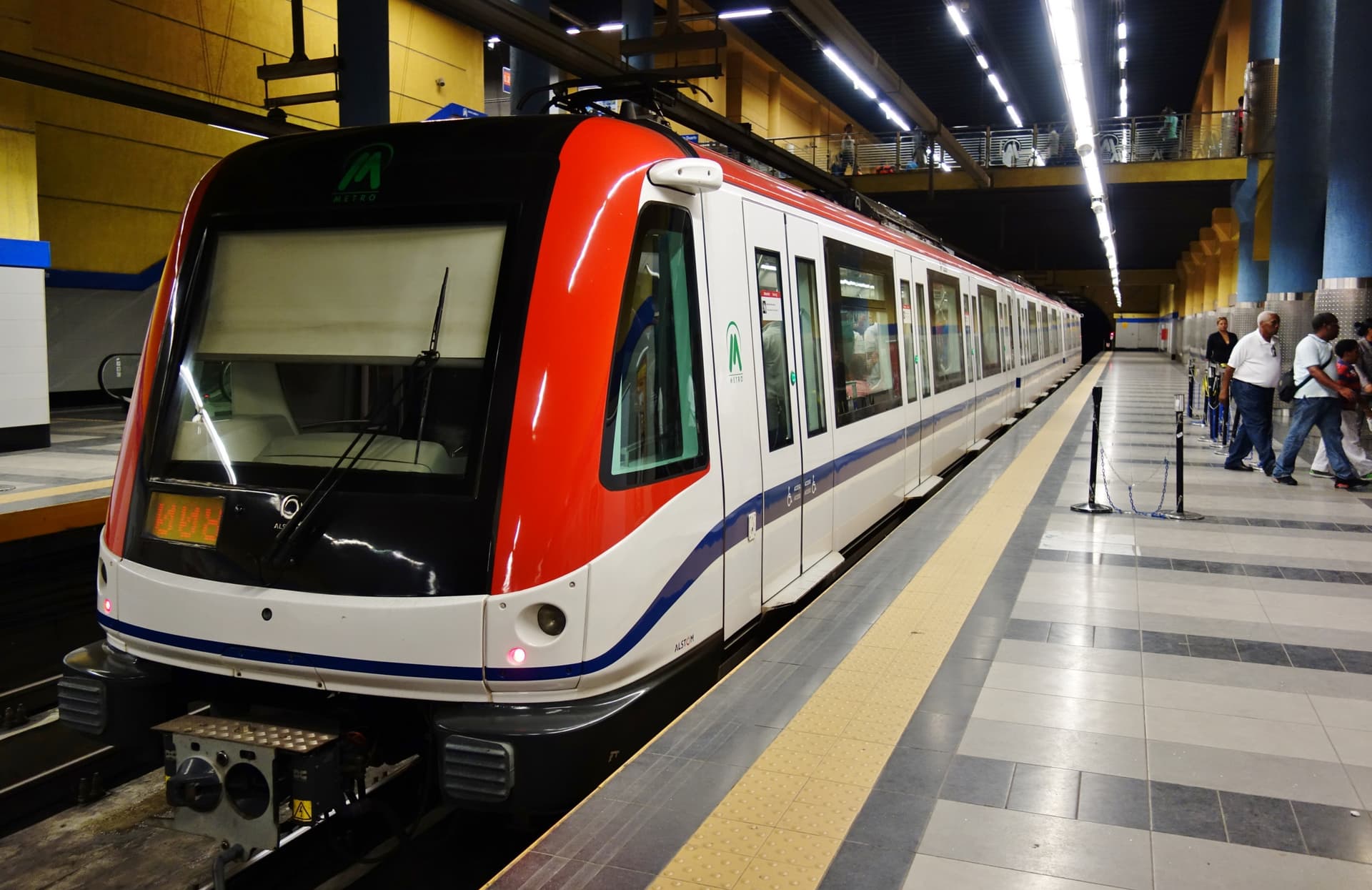
Domestic flights, car rental, guaguas, private driver, road conditions to the Cordillera and the Southwest.
1 article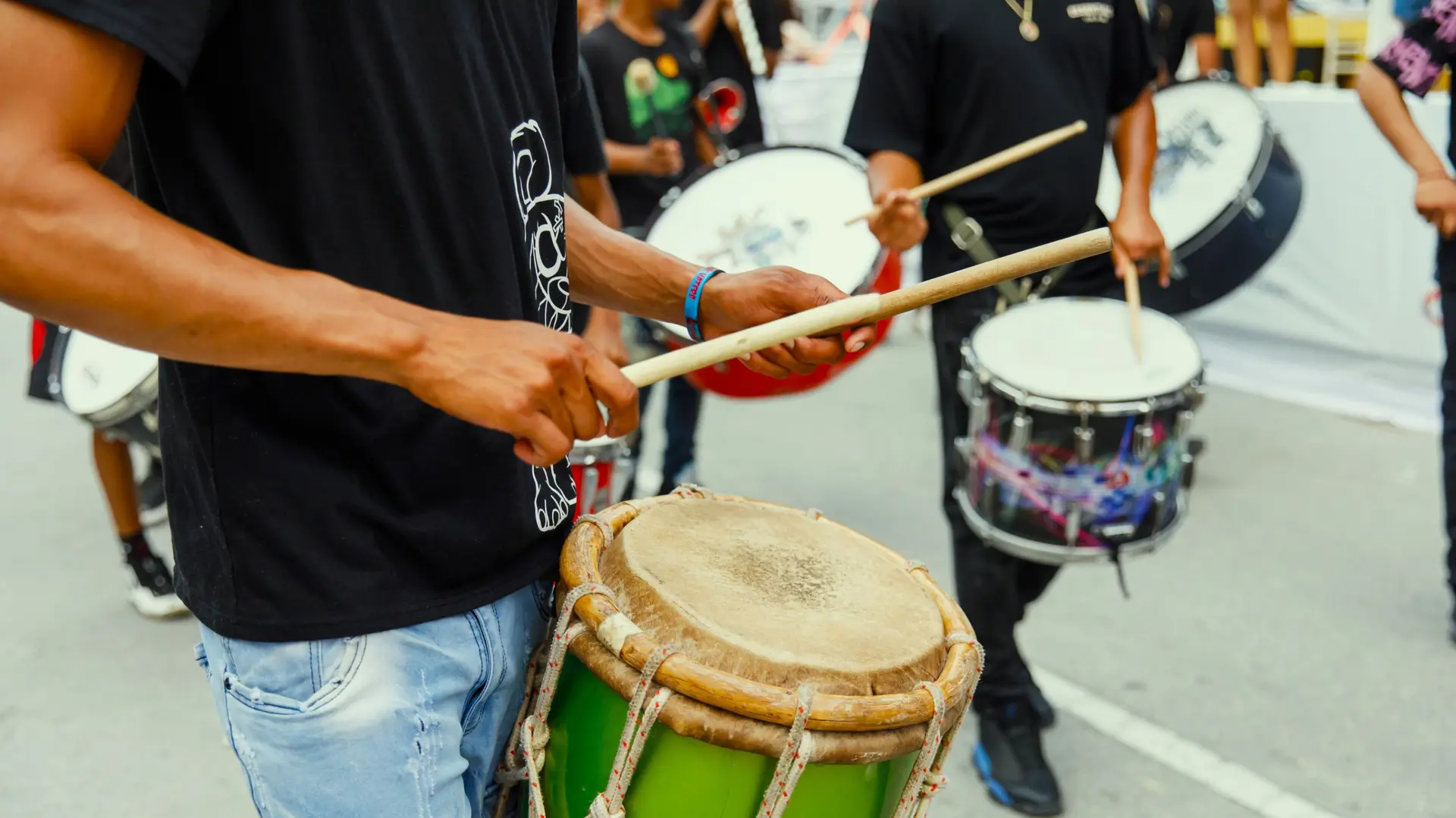
Culture
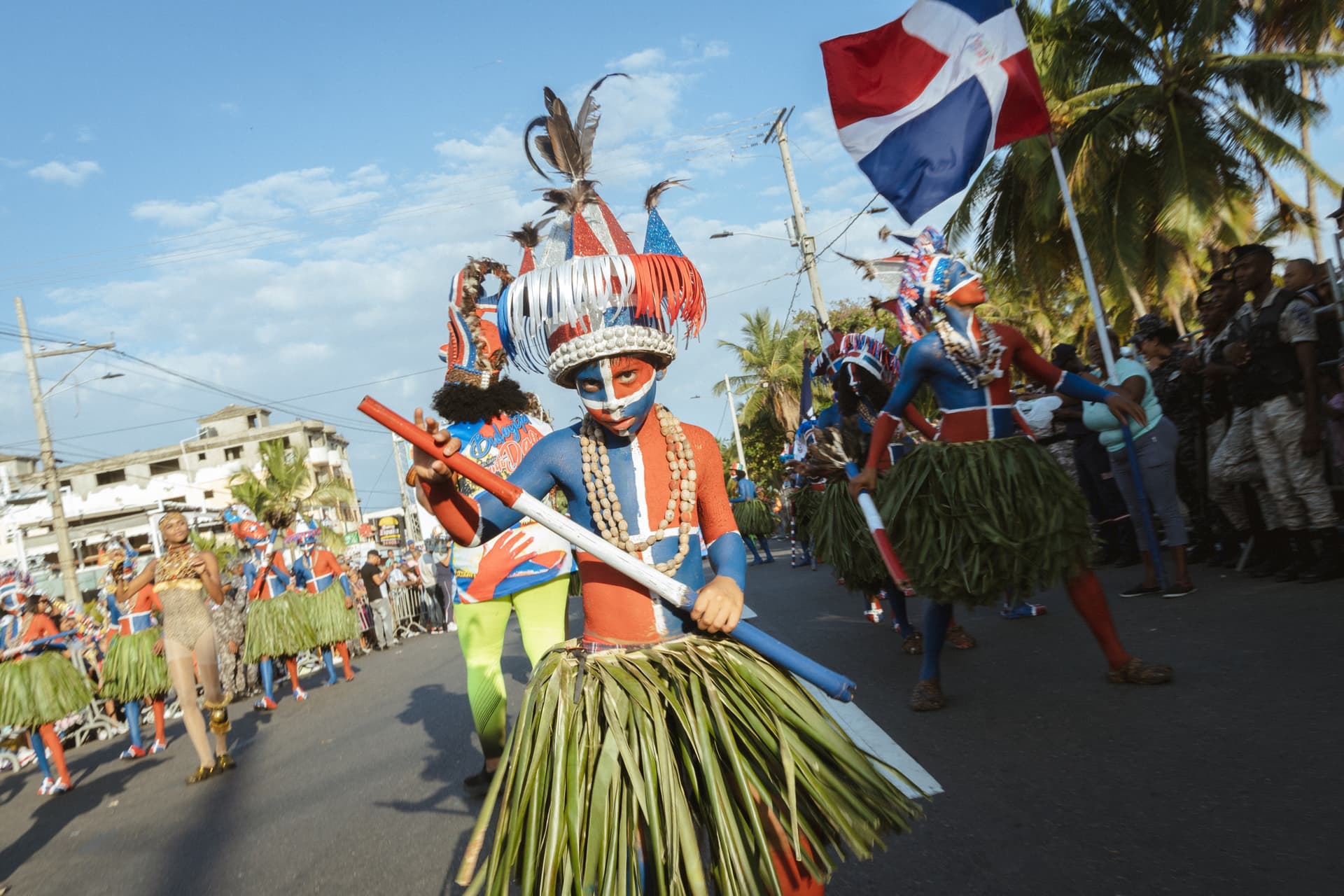
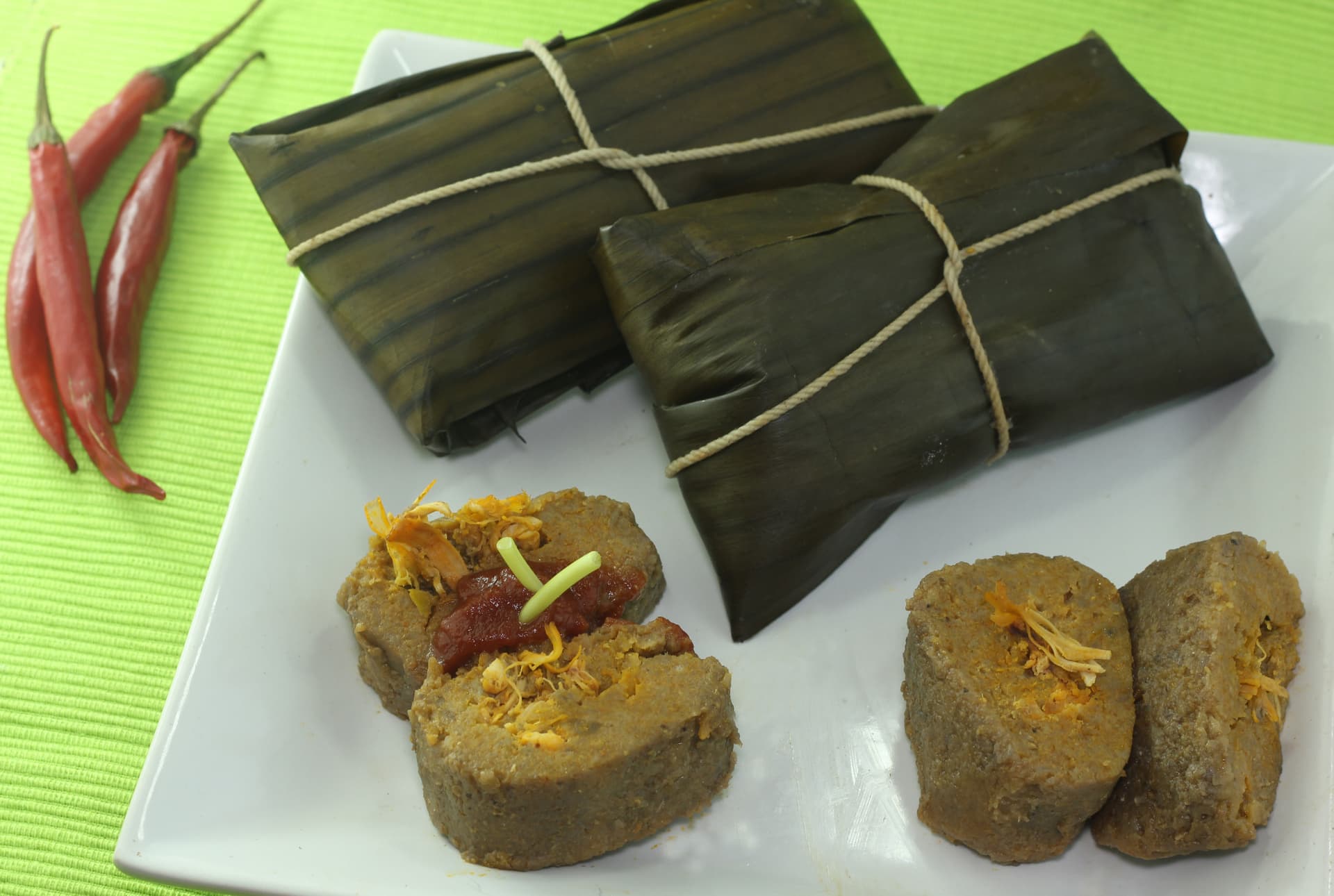
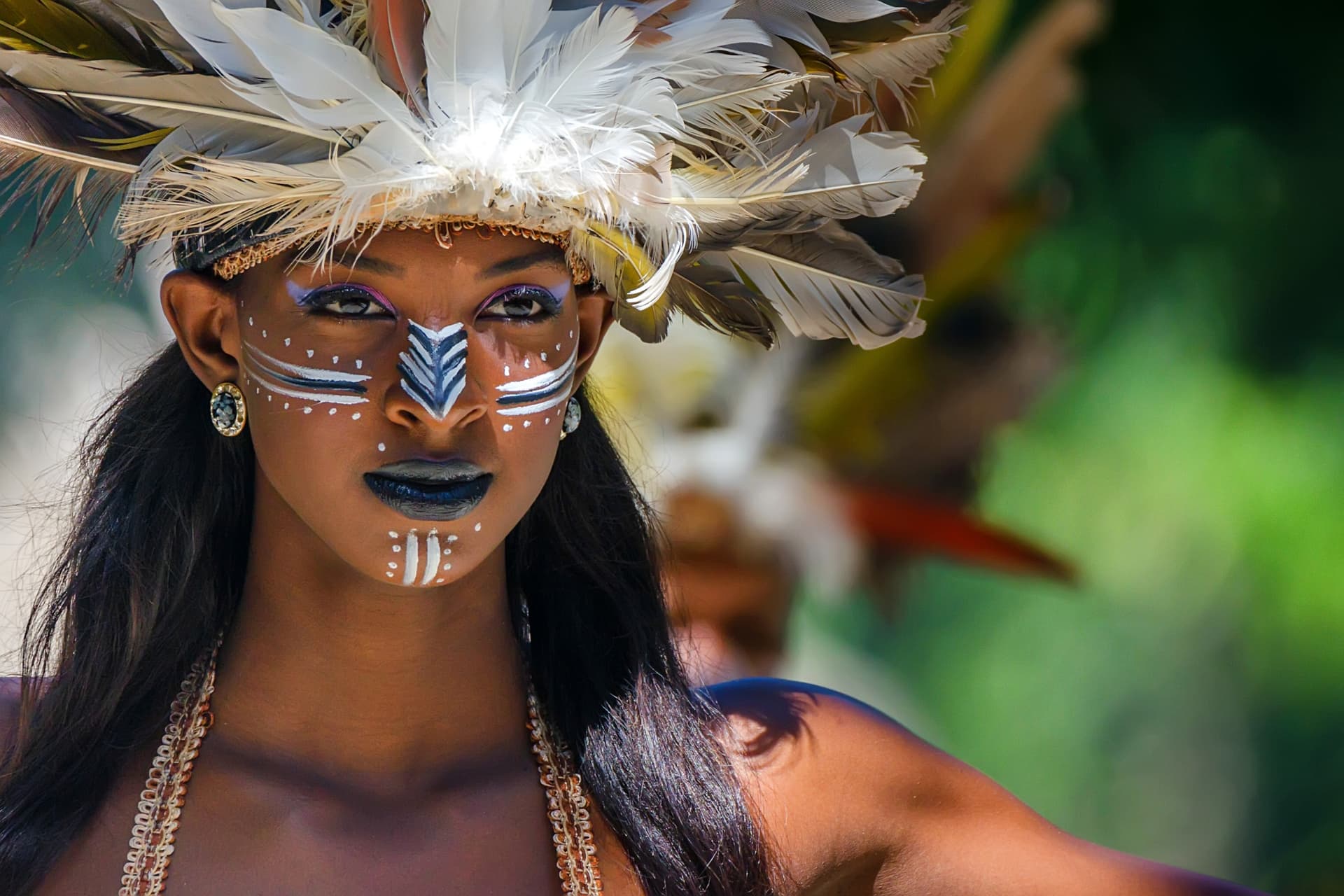
Greetings, merengue and bachata, dress code, Dominican meals, patron saint festivals and everyday etiquette.
3 articles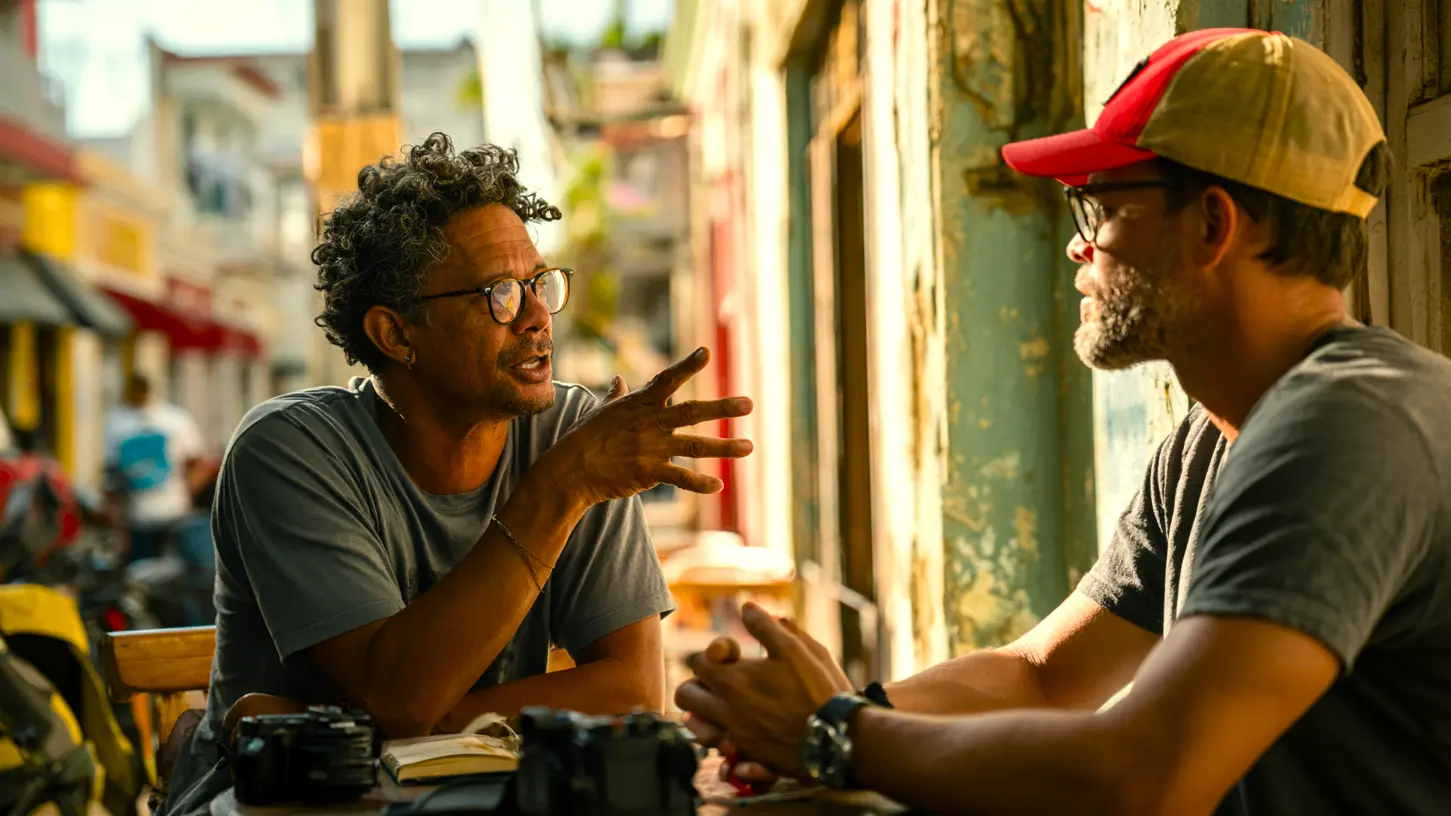
Useful Tips
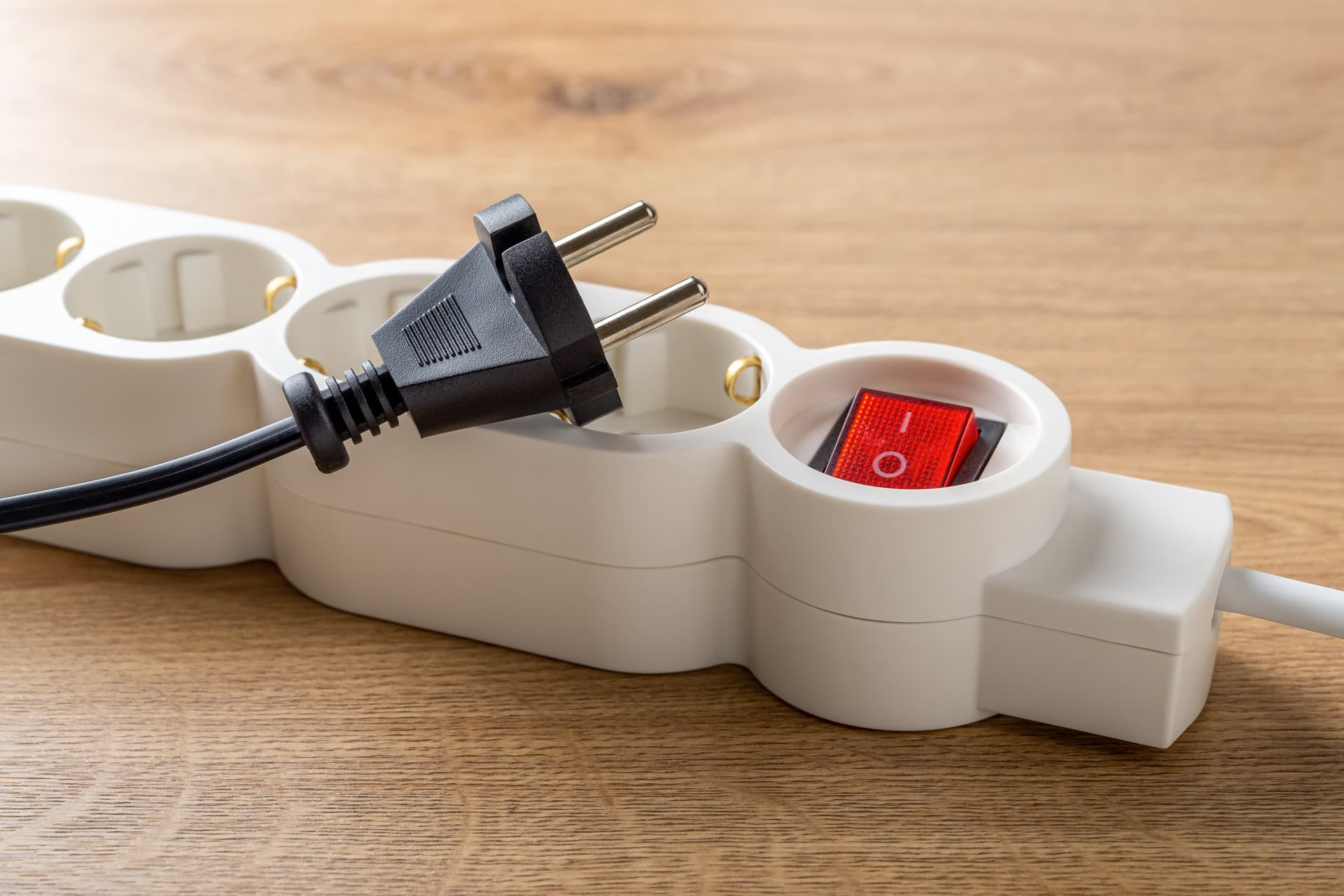
Urban safety, water, 110V electricity, connectivity, local health services and practical advice from our local team.
3 articlesAll practical guides
Search and filter among 12 articles



12 of 12 results
Frequently asked questions
The answers to the most frequently asked questions from our travellers.
For French, Belgian, Swiss and Canadian nationals, no visa is required for a tourist stay. You will receive a tourist card valid for 30 days, now included in the price of your airline ticket for most carriers (verify at the time of booking). Your passport must be valid for at least 6 months after your return date. If you wish to extend beyond 30 days, an extension can be requested from the Dirección General de Migración in Santo Domingo, subject to a progressive tax depending on the length of the extension, generally paid at the time of departure from the airport. Our team will assist you with this process if needed.
No vaccine is mandatory upon entry, except yellow fever if you arrive from a country where the disease is endemic. We recommend being up-to-date on DTP (diphtheria, tetanus, polio), and considering hepatitis A and B as well as typhoid, especially if you venture outside tourist areas. Dengue circulates throughout the territory, with outbreaks during the rainy season (May to November): anti-mosquito protection at all times, covering clothing in the evening. No malaria in the areas we typically propose, though residual cases exist near the Haitian border. A consultation at an international vaccination center 4 to 6 weeks before departure remains the best approach.
Excluding international flights, plan for 90 to 150 euros per day and per person for a comfortable trip with charming accommodations, varied meals, private transfers and activities. A Dominican meal in a local comedor costs 350 to 500 DOP (6 to 8 euros), dinner at a good restaurant in Las Terrenas or Santo Domingo around 1,500 DOP (25 euros). A night in a boutique hotel ranges from 70 to 180 euros for a double room. Flagship activities (whale watching excursion in Samaná, diving in Bayahibe, climbing Pico Duarte with a guide) are between 60 and 200 euros. The customary tip is 10%, often already included at restaurants.
The dry season, from December to April, remains our preferred period: temperatures around 28°C, low humidity, pleasant trade winds on the coasts. It's also the window for humpback whales in Samaná Bay, from mid-January to mid-March. May and June remain pleasant with a few short showers in the late afternoon. The cyclone season runs from June to November, with a statistical peak in September, a month we avoid for combined trips. October and November still see some storms. For the Central Cordillera, February and March offer the clearest skies and cool nights around 10°C in Constanza.
The country can be crossed in 5 to 6 hours of driving at most from east to west. For the itineraries we design, we favor English-speaking private drivers, which allows you to stop in villages, navigate the winding roads of the Cordillera, and optimize your time. Car rental remains possible on the north coast and southeast, to be avoided for a first visit to Santo Domingo (heavy traffic). Air Century domestic flights connect Santo Domingo to Punta Cana, Samaná, or Puerto Plata in 30 minutes, useful for saving time on a long itinerary. Guaguas (collective minibuses) are a local experience but not well-suited for luggage.
Overall yes, it's one of the most visited destinations in the Caribbean with over 8 million travelers per year. Tourist areas (Punta Cana, Bayahibe, Samaná, Las Terrenas, Cordillera) are calm and well-managed. In Santo Domingo, the Colonial Zone can be explored without concern during the day, with more caution advised after 10 pm in certain outlying neighborhoods. We recommend standard precautions: no ostentatious jewelry, official taxis or apps like Uber, cash distributed across several locations. The border area with Haiti requires more attention, and we adjust our itineraries accordingly. Our team in Santo Domingo remains available 24/7 during your stay.
Ready to travel to Dominican Republic?
Discover our tailor-made itineraries, designed by our local team. Each route adapts to your pace, your preferences and your travel season.
See our toursWe use cookies to improve your experience and measure our site's audience. You can choose what you accept. Learn more.