Complete guide to the Dominican Republic
Our local agency based in Santo Domingo designs tailor-made trips from the capital, just steps away from the Colonial Zone and its 16th-century cobblestone streets. The Dominican Republic occupies the eastern two-thirds of the island of Hispaniola, shared with Haiti, and concentrates within 48,000 km² a diversity that few Caribbean destinations offer: peaks over 3,000 meters, dry savannas, salt lagoons, and 1,500 km of coastline.
Four regions structure most of our itineraries. Santo Domingo and the Southeast (Bayahibe, Saona) for colonial history and the turquoise waters of the Caribbean Sea. The Samaná Peninsula in the northeast, where humpback whales migrate from January to March in the bay. The Central Cordillera around Jarabacoa and Constanza, with its pine forests, whitewater rivers, and cool mountain temperatures. Finally the Southwest, more arid, around Lake Enriquillo and Eagle Bay, still preserved from mass tourism.
Two distinctive features mark travel here: merengue and bachata that rhythm social life, and a Creole cuisine where sancocho simmers for hours. To properly combine these regions, plan for a minimum of 12 days if you want to venture beyond all-inclusive beaches and truly discover the Dominican Republic as we know it from Santo Domingo.
The regions of Dominican Republic
Each region has its own personality: climate, landscapes, pace of life and ways of traveling. Our local team helps you choose the combination that suits you.
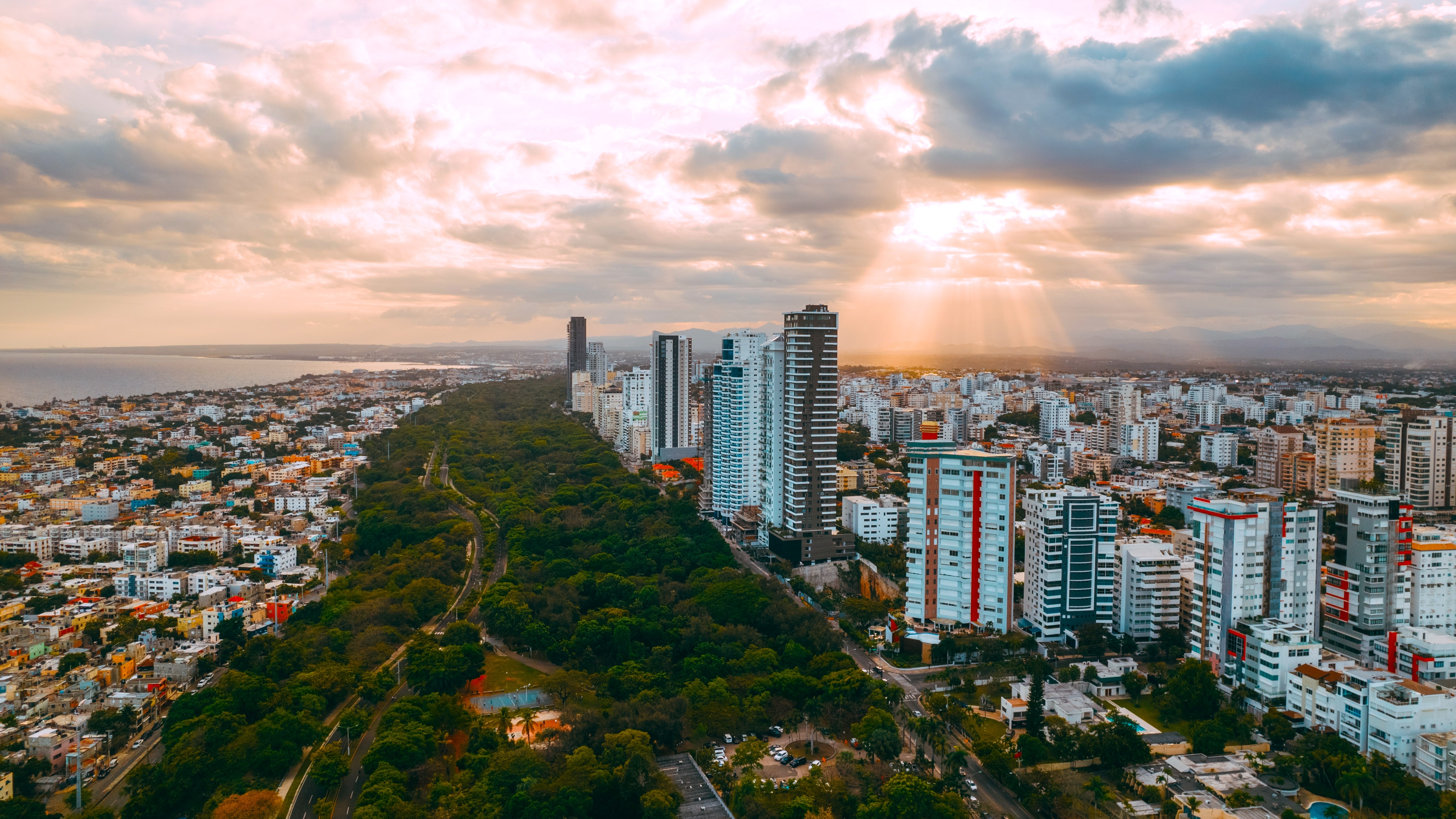
Santo Domingo and Southeast
Our starting point. Saint-Domingue's Colonial Zone, UNESCO-listed, features the first cathedral of the New World and Calle Las Damas, paved in 1502. Further east, Bayahibe serves as a base for excursions to Saona Island and East National Park, where water temperatures peak at 28°C year-round. The region encompasses the large beaches of Punta Cana and Bávaro, lined with coconut palms, but we prefer directing our travelers to the fishing villages of Boca de Yuma or the cenotes of La Altagracia province, which see fewer crowds. Warm and humid climate, with brief showers in May and October.
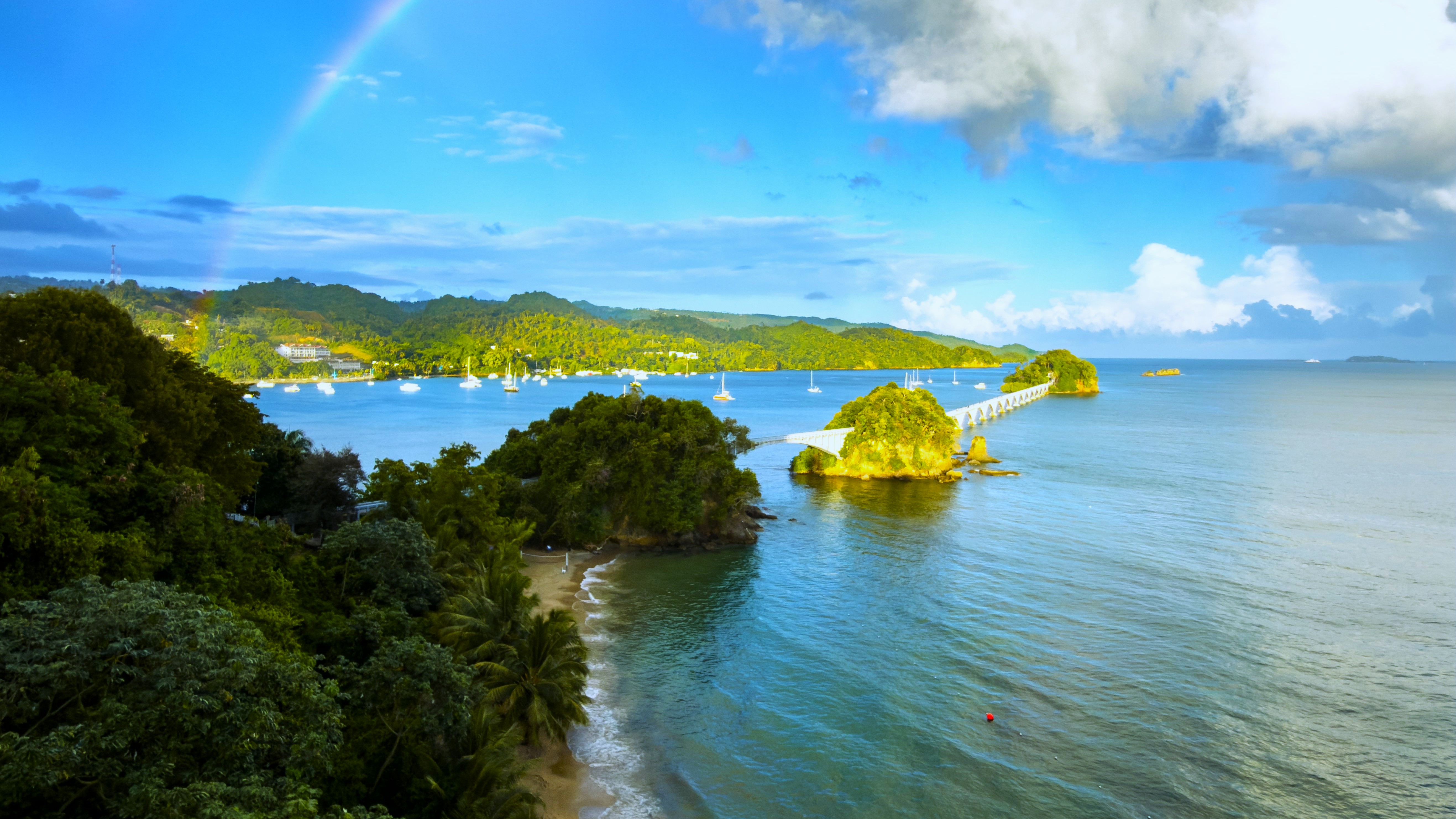
Samaná Peninsula
A lush peninsula in the northeast, still largely undeveloped. From mid-January to mid-March, around 2,000 humpback whales come to breed in Samaná Bay, a rare concentration in the Caribbean. We embark from Samaná port with operators accredited by the Ministry of the Environment. Las Terrenas, a former fishing village turned cosmopolitan, preserves its Coson and Bonita beaches for sunset. Inland, El Limón waterfall is reached after 40 minutes of hiking through humid forest. Stable temperatures between 24 and 30°C year-round.
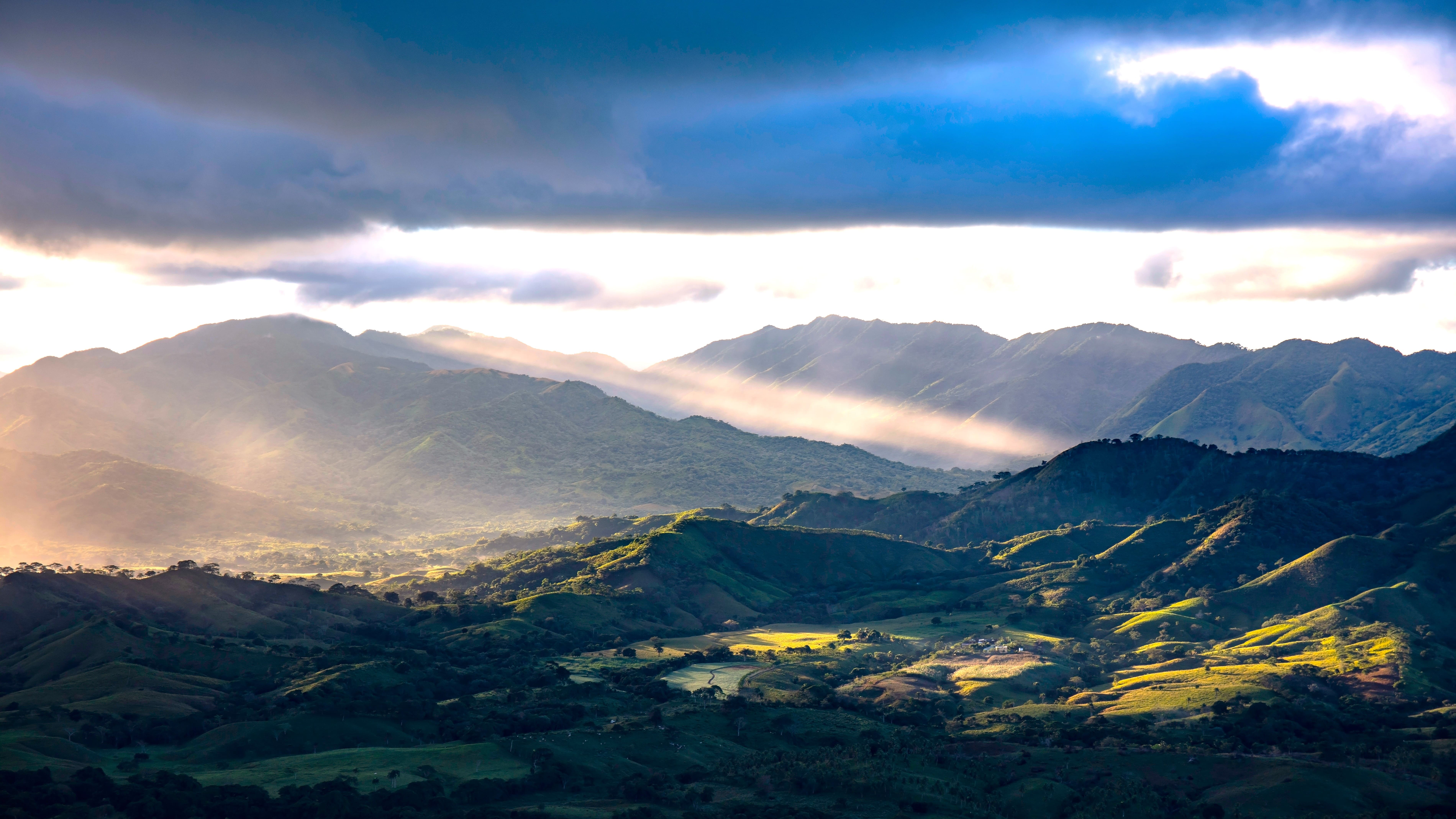
Central Cordillera
The roof of the Caribbean. Pico Duarte rises to 3,098 meters, accessible via a 3-day trek from La Ciénaga. Around Jarabacoa and Constanza, at 1,200 meters altitude, temperatures drop to 10°C at night in January and pine forests replace coconut trees. This is the region of waterfalls (Salto de Jimenoa, Aguas Blancas), whitewater rafting on the rio Yaque del Norte, and coffee and strawberry farms. We send travelers here who want a genuine break between two coastal stops. Winding roads, allow 3 to 4 hours from Santo Domingo.
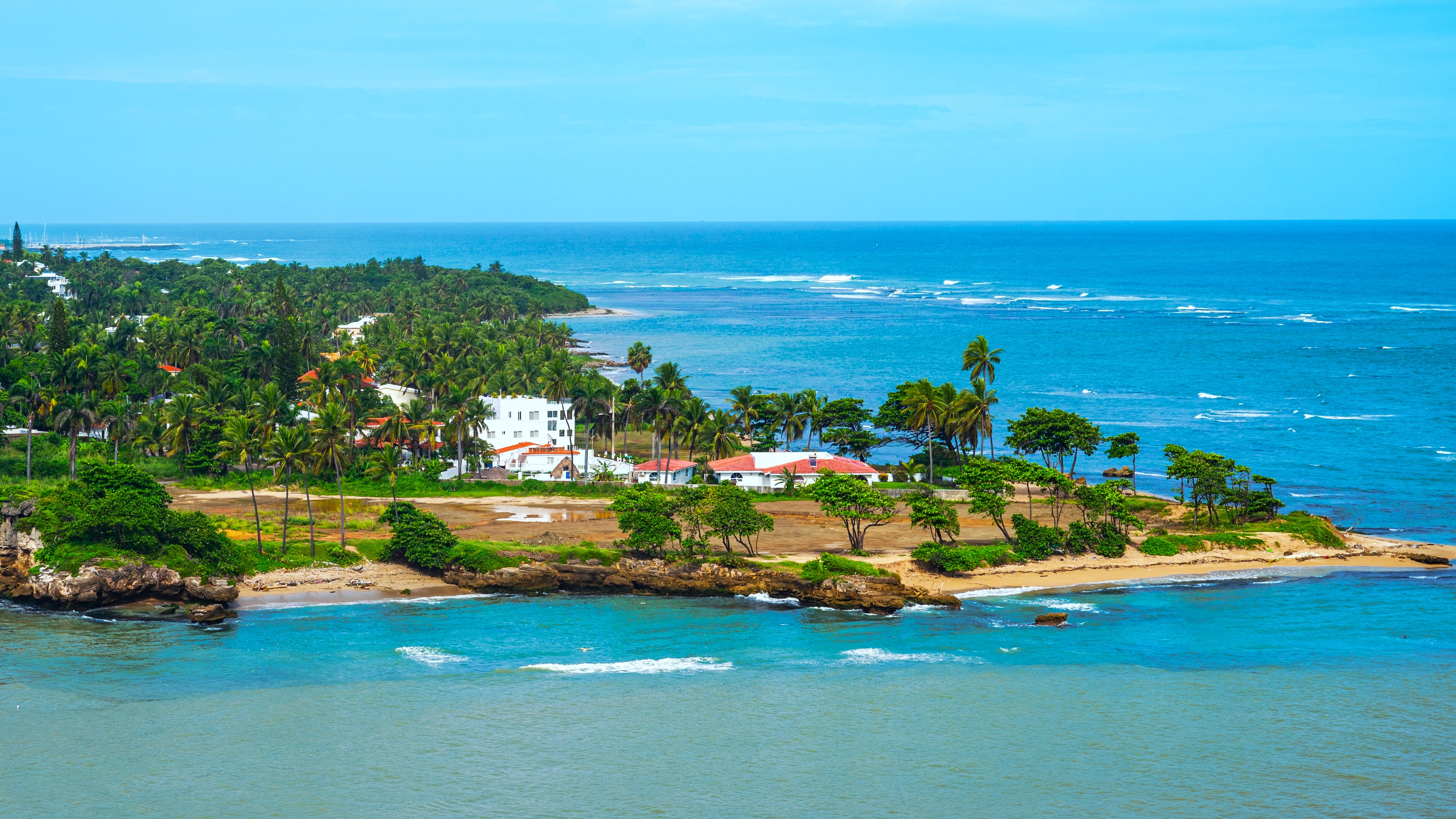
North Coast and Puerto Plata
The Amber Coast, named after the fossil resin extracted there since the 16th century. Puerto Plata preserves its San Felipe fortress and cable car that rises to the summit of Mount Isabel de Torres, at 793 meters. Further west, Cabarete attracts kitesurfers thanks to consistent trade winds from December to August. We love taking travelers to the 27 waterholes of Damajagua, a series of cascades descended by jumping and natural toboggan. The region remains authentic, with villages like Río San Juan and its Gri-Gri lagoon bordered by mangroves.
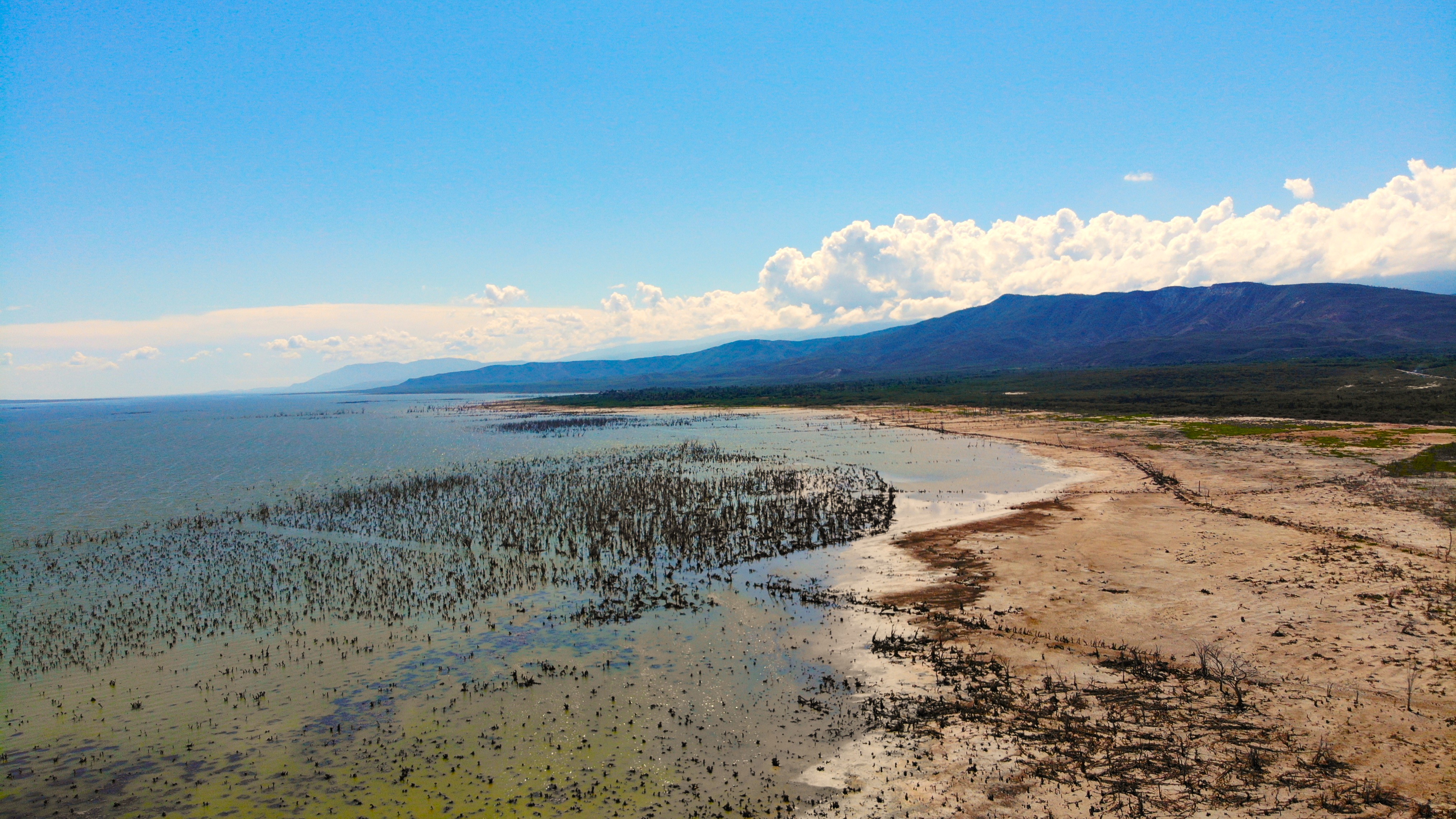
Southwest and Haitian border
The wildest region in the country, and our favorite for travelers who have already experienced classic Caribbean destinations. Lake Enriquillo, 40 meters below sea level, is home to American crocodiles and pink flamingos. Eagles Bay, in Jaragua National Park, stretches 8 km of white sand accessible only by boat from Pedernales. Bahoruco, right nearby, overlooks turquoise waters ideal for snorkeling. Semi-arid climate, landscapes dotted with cacti and bayahonda. Roads are decent but long—count on 5 hours from Santo Domingo. Rarely crowded, even during peak season.
Explore by theme
Unique experiences tailored to every traveler.
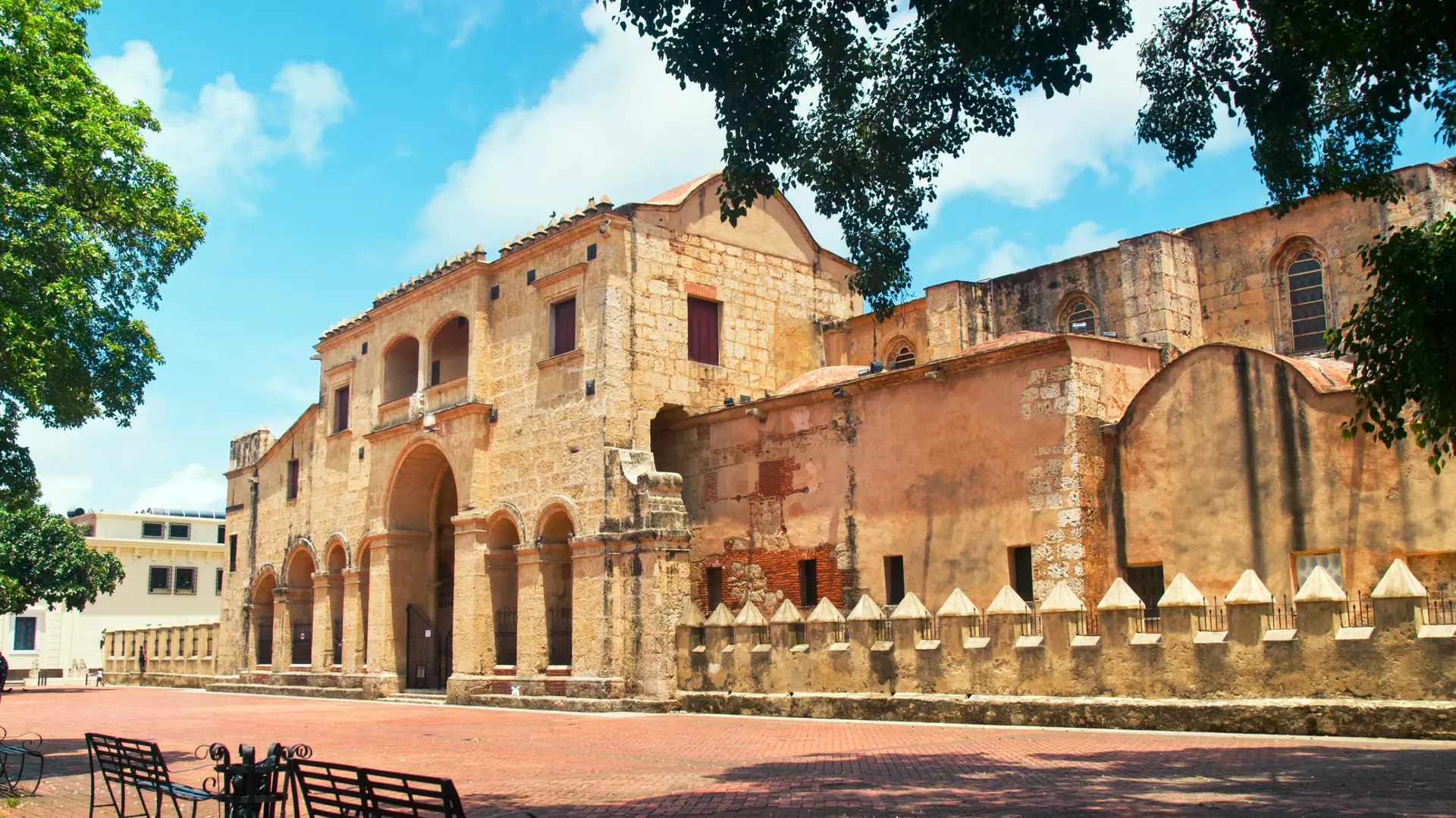
Culture & Heritage
Temples, musées, sites historiques
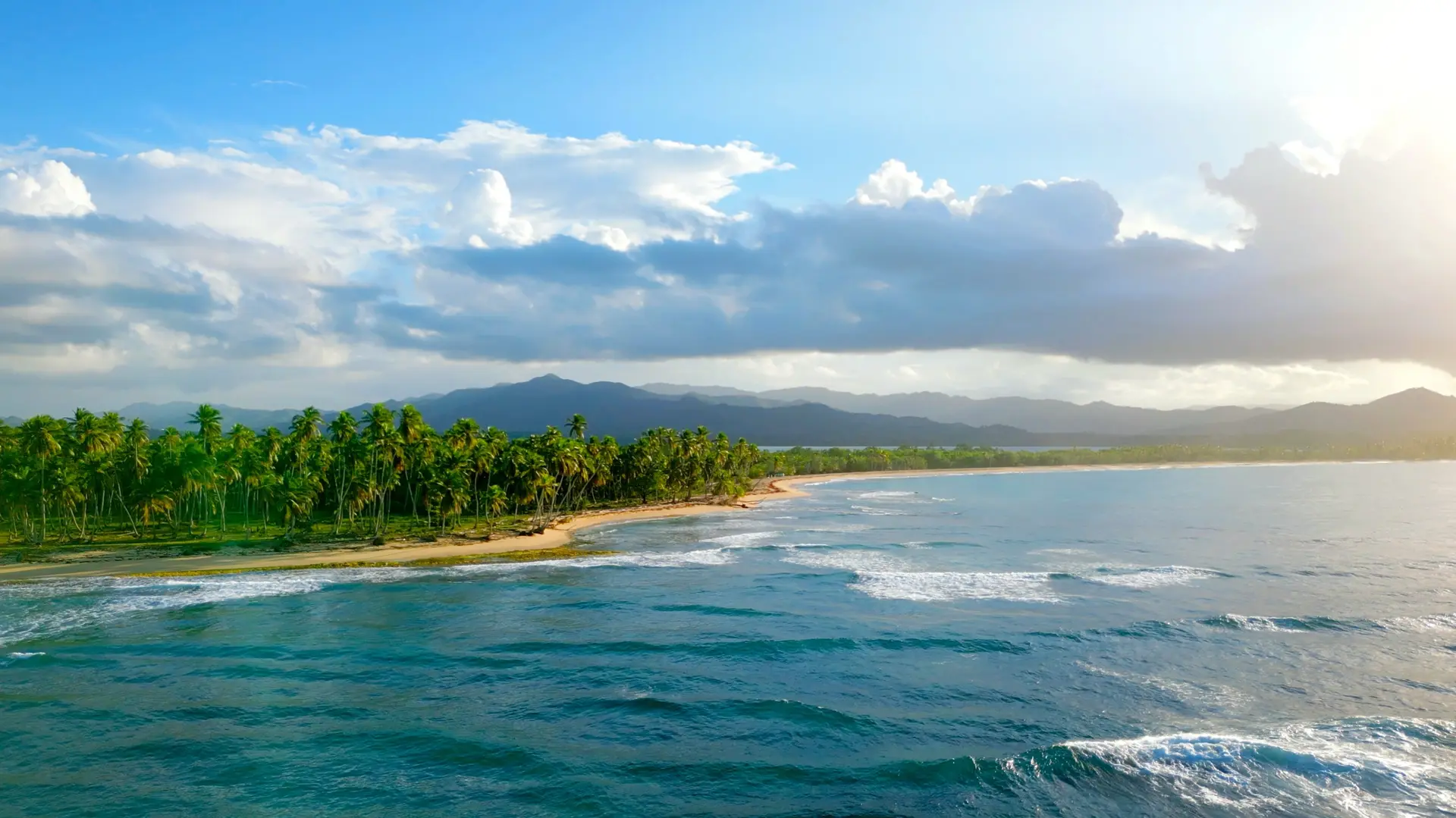
Nature & Landscapes
Parcs nationaux, montagnes, forêts
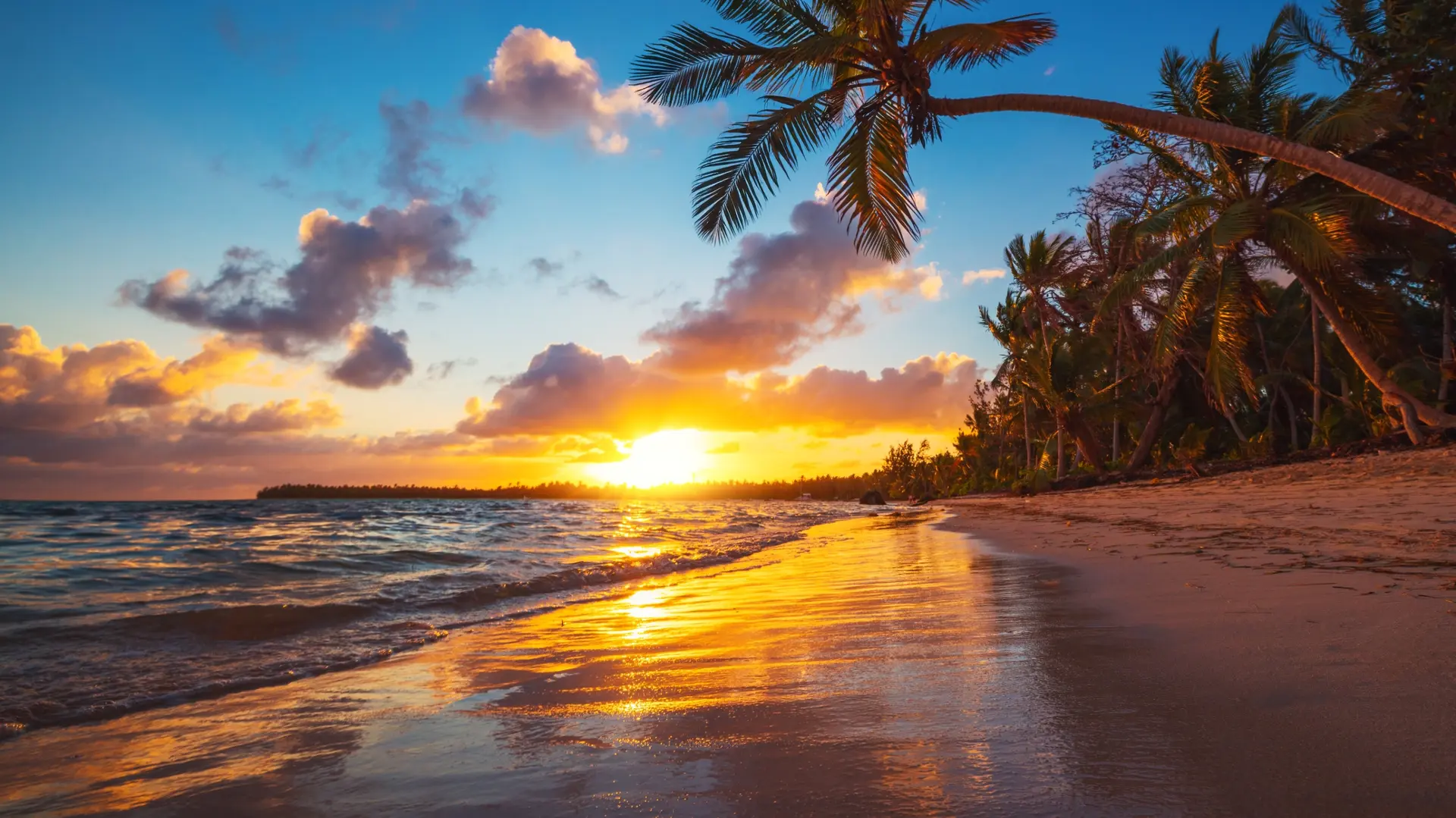
Sea & Beaches
Littoral, îles, sports nautiques
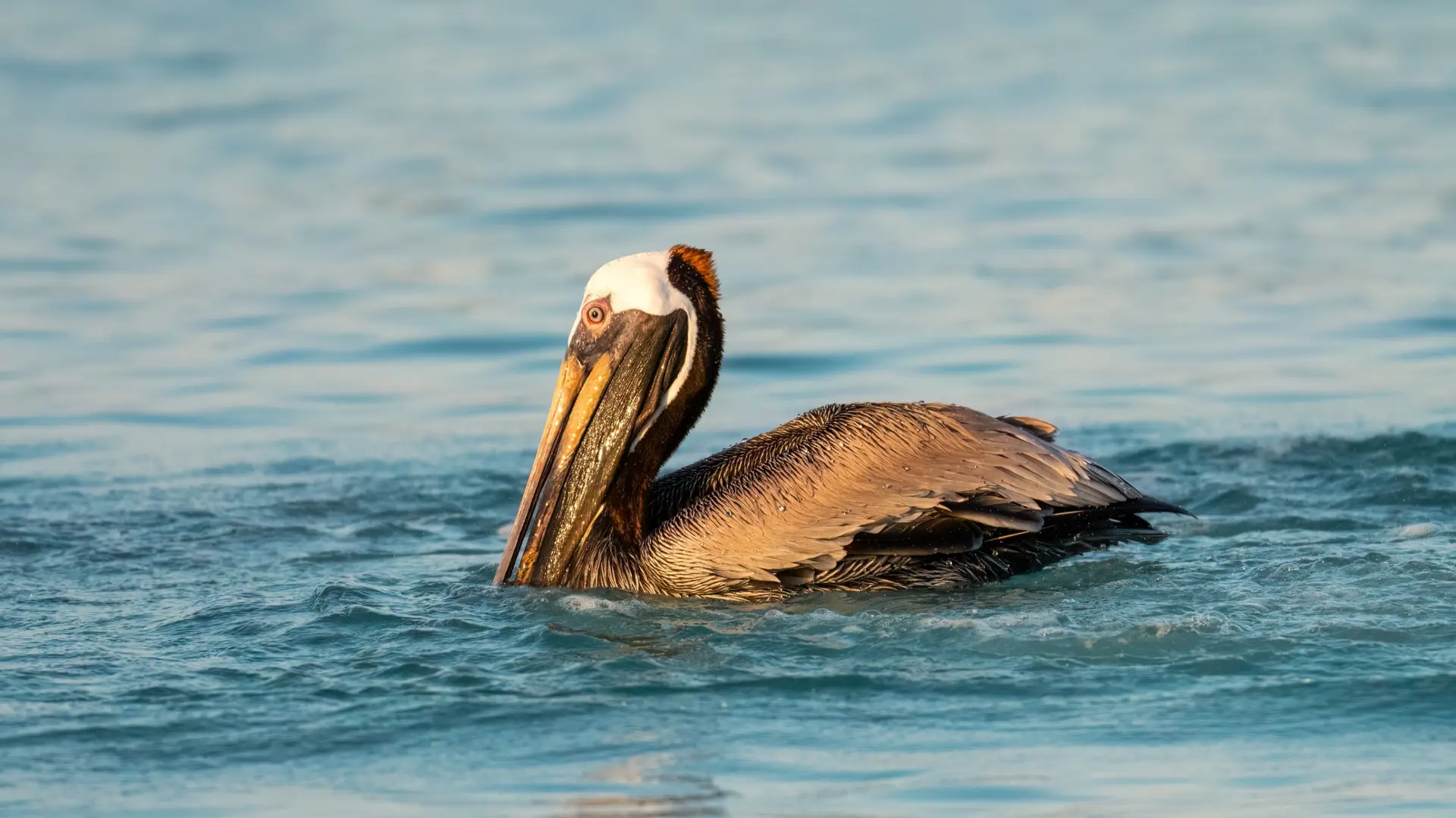
Wildlife & Biodiversity
Observation animale, sanctuaires, réserves
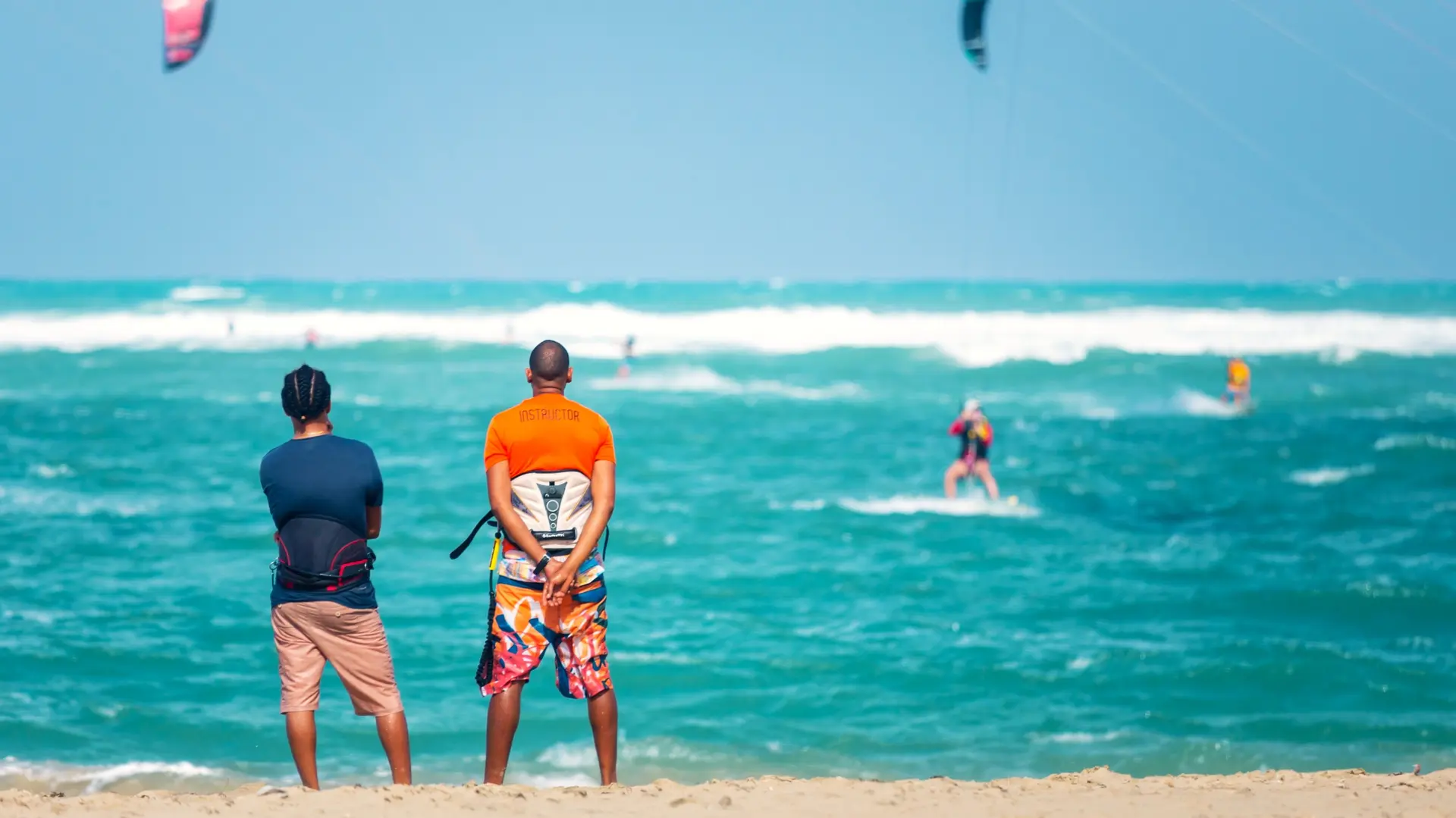
Activities & Adventure
Trek, kayak, escalade, sports outdoor
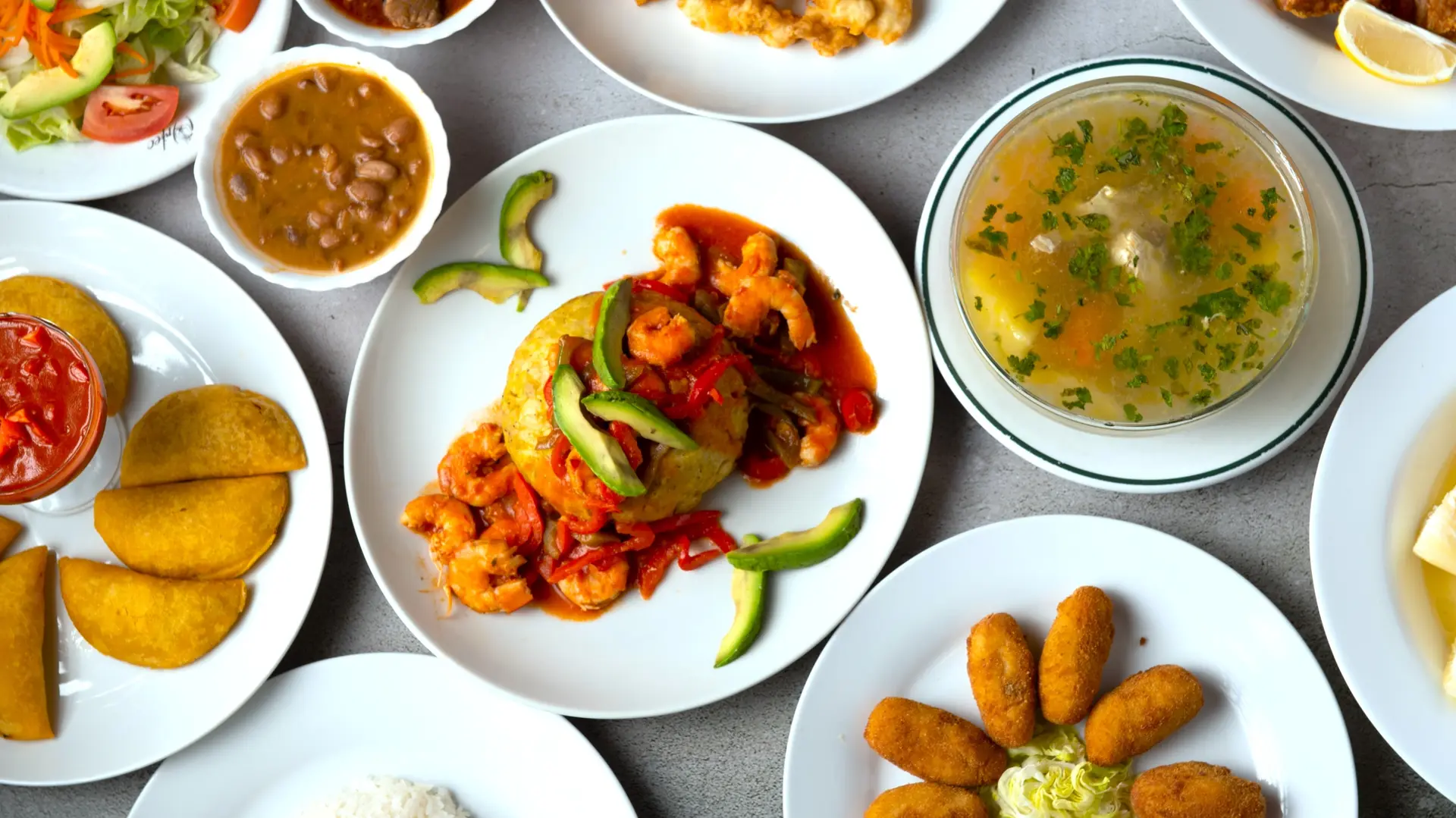
Gastronomy
Cuisine locale, marchés, cours de cuisine
We use cookies to improve your experience and measure our site's audience. You can choose what you accept. Learn more.