What to Do and See in Bayahibe? The Complete Guide to Exploring This Dominican Gem
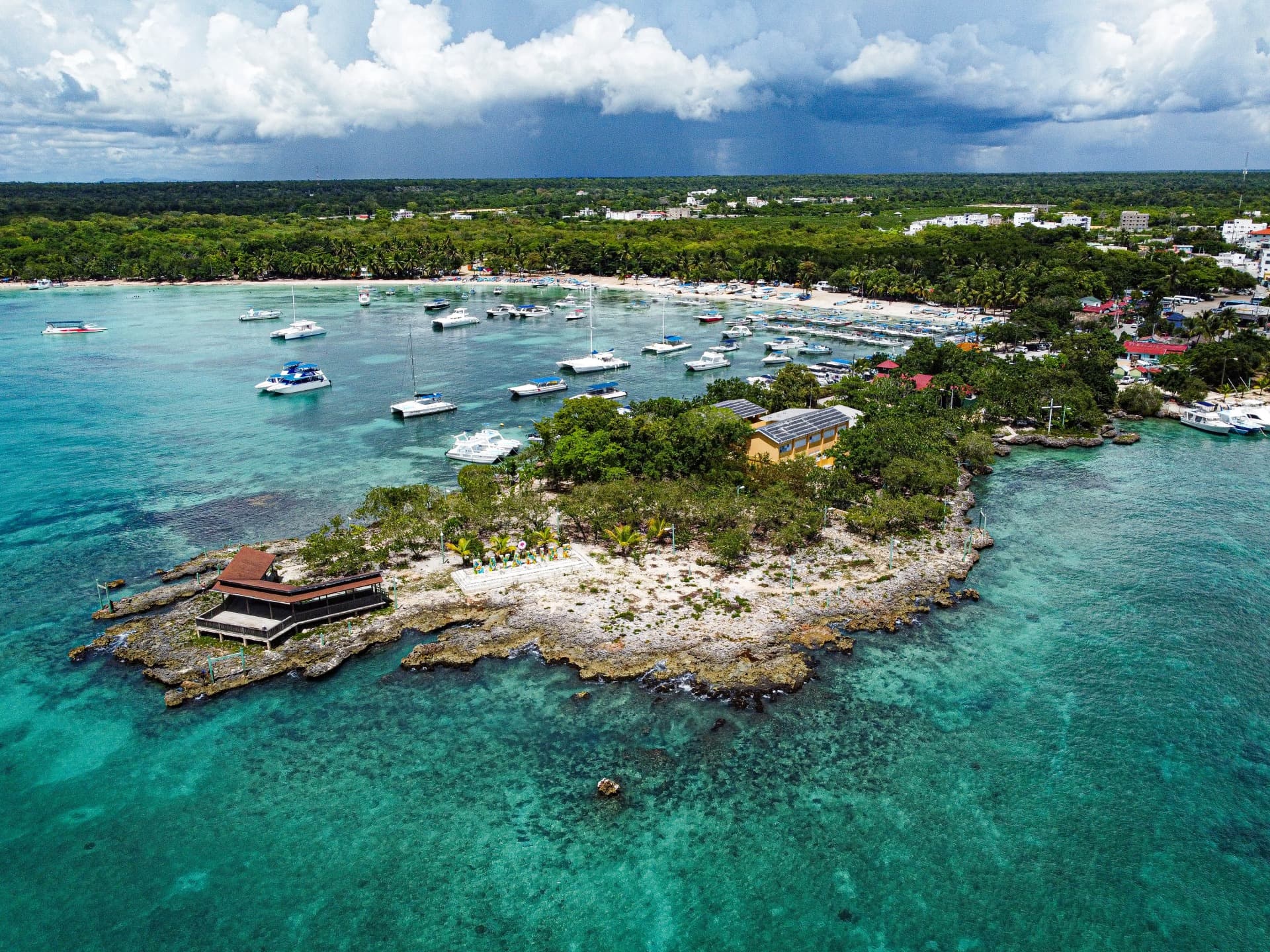
Located in eastern République Dominicaine, southeast of La Romana, Bayahibe is a fishing village that has managed to preserve its authenticity despite tourist development.
Located in eastern République Dominicaine, southeast of La Romana, Bayahibe is a fishing village that has managed to preserve its authenticity despite tourist development. While many visitors come to access Saona Island and its neighboring islands, very few take the time to explore its center and surroundings. Yet, it is the ideal place to venture into nature and immerse yourself in local culture. Discover all the things to do and see in Bayahibe.
Must-do Activities in Bayahibe
Stroll Through the Village Center and Discover Local Life
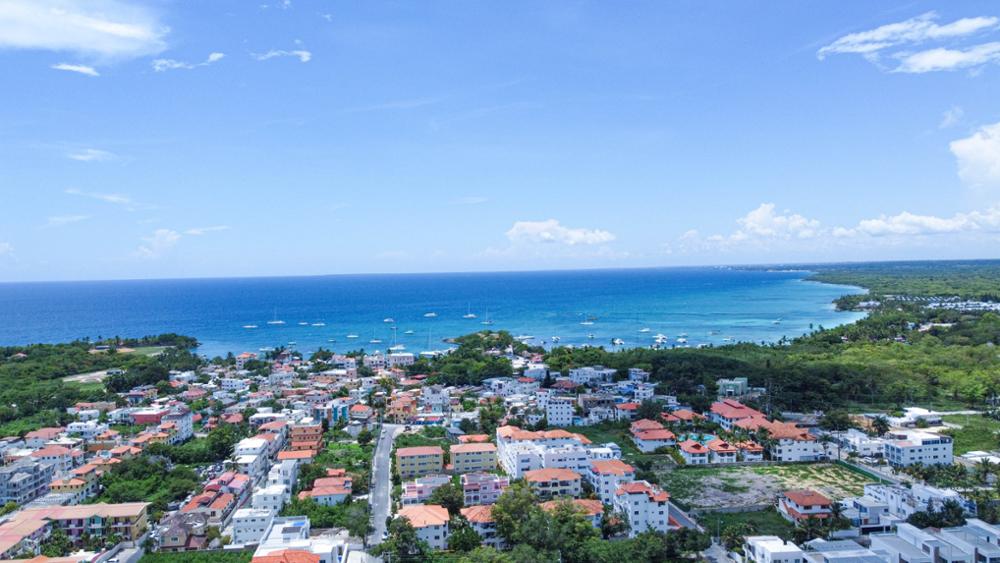
The village of Bayahibe is known as the gateway to one of the most popular islands in République Dominicaine: Saona Island. Thus, it is common to see tour buses unload numerous travelers who rush to reach nearby islands. Yet, the small village of Bayahibe deserves more than just a few hours of your time...
Indeed, this charming fishing village is the perfect place to discover local life. You will find a small, human-scale village that is easy to explore on foot. You can wander through small paved or sandy streets, admire colorful houses, and shop for travel souvenirs in artisanal boutiques...
While tourists pass through during the day, the village regains its tranquility in the evening. This is the perfect opportunity to meet the locals and discover the true Dominican atmosphere. Due to its laid-back atmosphere, authenticity, and the lack of infrastructure (compared to other beach resorts in the country), Bayahibe is often a perfect alternative to Punta Cana.
Unwind on the Beaches of Bayahibe
Unlike Punta Cana, La Samana, and Puerto Plata, which are located on the Atlantic Ocean, Bayahibe is bordered by the Caribbean Sea. Here you will find some of the most beautiful beaches in all of République Dominicaine. The water is calm and perfect for relaxation, not to mention its clarity and turquoise color that make these beaches worthy of postcards. It is also worth noting that due to their westward location, Bayahibe's beaches are among the best places to watch the sunset!
Among the beaches to see in Bayahibe, we can mention :
Bayahibe Beach (Playa Bayahibe): the village itself has a small stretch of sand facing the main road;
Magallanes Beach (Playa Magallanes): located south of the village, a 10-minute walk from the port, this tiny beach offers an alternative to the town center. It is not the most convenient for swimming (due to rocks) but it is highly appreciated for snorkeling;
Dominicus Beach (Playa Dominicus): located just 4 km from Bayahibe village, Dominicus Beach is one of the most beautiful beaches in République Dominicaine. It was also the first Caribbean beach to receive the Blue Flag label.
Go Scuba Diving or Snorkeling
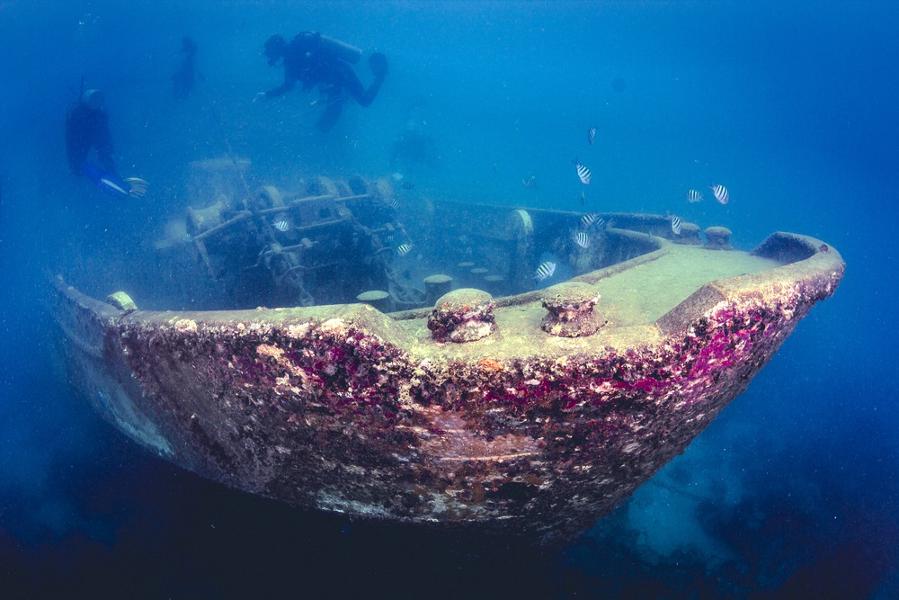
The waters surrounding Bayahibe village are home to some of the best diving and snorkeling spots in République Dominicaine. Scattered between the islands and the coast, the dive sites feature beautiful reefs where you can observe a wealth of marine creatures:
Sharks: reef sharks, nurse sharks, lemon sharks, whale sharks...;
Sea turtles: green turtles, loggerhead turtles, olive ridley turtles;
Dolphins: bottlenose dolphins, spinner dolphins...;
Tropical fish: parrotfish, angelfish, triggerfish, pufferfish, boxfish...;
Moonfish;
Moray eels;
Seahorses;
Rays;
Nudibranchs...
Diving in Bayahibe is renowned for beginner divers due to the weak currents in this part of the island, shallow depths, and excellent visibility at dive sites. That said, experienced and advanced divers can also find what they are looking for, especially at the two wrecks in the region:
The Atlantic Princess wreck: a former passenger ship approximately 30 m long, sunk in May 2009 after a tropical storm. The site is accessible at a shallow depth as its highest point is only 12m deep;
The Saint-Georges wreck: a former 73 m cargo ship that was abandoned and then sunk in 1999 after being damaged by the hurricane of the same name to create an artificial reef. The wreck is located between 30 and 40 m depth approximately.
It is also worth noting that it is possible to dive in freshwater caves.
Explore Cotubanamá National Park (formerly East National Park)
Cotubanamá National Park (recently renamed from East National Park) covers approximately 415 km² of the southeastern peninsula of République Dominicaine and 382 km² of marine area (including Saona, Catalina, and Catalinita islands). Designated a UNESCO protected zone, the park is one of the most visited natural areas in the country.
Within it you will find different ecosystems (humid subtropical forest, dry subtropical forest, mangrove zones, coral reefs, seagrass meadows...) that harbor extraordinary biodiversity. To give you an idea, the entire park records 539 plant species, 570 animal species including 144 types of birds. At sea, the park serves as the primary nesting site for three species of sea turtles and is home to dolphin species as well as manatees.
Among the activities to do in Cotubanamá National Park, we recommend:
Hiking and Wildlife and Flora Observation
Numerous hiking trails allow you to encounter the wildlife and flora of Cotubanamá National Park. Accompanied by a guide, you will see rhinoceros iguanas (an endangered species), macaws, centipedes, hummingbirds, frigatebirds, brown pelicans, crowned doves...
Hikes can include cave visits (see below) and swimming breaks in natural pools and underground lagoons.
Explore the Caves of East National Park
Beyond its natural treasures, East National Park is also known for its 400 caves, some of which house Taíno pictographs and petroglyphs, the original indigenous people and first inhabitants of République Dominicaine. Among the most well-known caves where you can admire these rock carvings as well as stalactites and stalagmites, we can mention cueva del Puente (Bridge Cave), cueva de las Maravillas (Cave of Wonders), cueva de José María (José María Cave)...
Note that some of the caves are accessible to divers and constitute superb freshwater diving spots. It is also possible to book guided snorkeling sessions to explore the underground wonders with a headlamp.
Good to Know: The Padre Nuestro trail is an ecological and archaeological pathway that allows visitors to discover the must-sees of East National Park. It takes visitors through certain caves while enjoying the park's wildlife and flora. |
Take an Excursion to Saona, Catalina, and Catalinita Islands
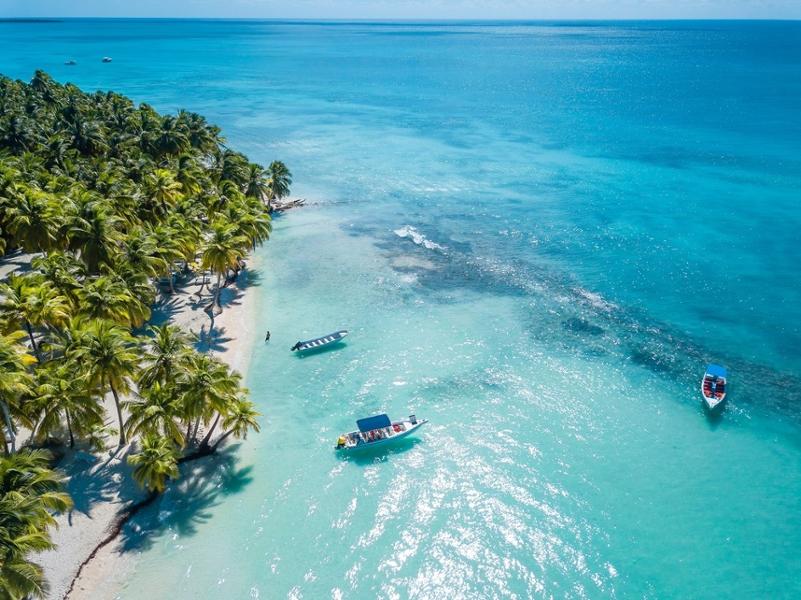
Bayahibe village is considered the gateway to three neighboring islands: Saona Island, Catalina Island, and Catalinita Island, all of which are protected areas belonging to Cotubanamá National Park. You can take an excursion to one or more of these islands to enjoy an enchanting escape in a paradise setting.
Saona Island
It is the only inhabited of the 3 islands and the largest island of République Dominicaine! It is also the most popular with tourists as it is home to some of the most beautiful beaches in the country, even in the Caribbean. The beaches are so stunning that they are often used as filming locations for movies or advertisements (such as the film Pirates of the Caribbean or the Bounty chocolate bar advertisement).
Beyond its dream beaches (such as Canto de la Playa, Playa Bonita, Playa Flamenco, Playa del Gato, and Playa El Toro), Saona Island has natural pools where you can see enormous starfish, a village called Mano Juan, a marine turtle sanctuary, caves where you can see Taíno rock carvings and where you can scuba dive...
Catalina Island
Located off the coast of La Romana, Catalina Island is the archetype of a tropical paradise. This nearly pristine, uninhabited island harbors unspoiled nature and magnificent white sand beaches. Excursions stop there mainly for snorkeling due to the exceptional marine life.
Catalinita Island
Catalinita Island is the smallest of the three, and the least visited by tourists. Excursions here allow you to enjoy the beaches and snorkeling. It is the place to choose if you wish to venture off the beaten path and discover the marine life without being overwhelmed by tourists.
Good to Know: You can combine multiple islands and multiple visits in one excursion. Feel free to contact us for more information. |
Visit the Surprising Village of Altos de Chavón
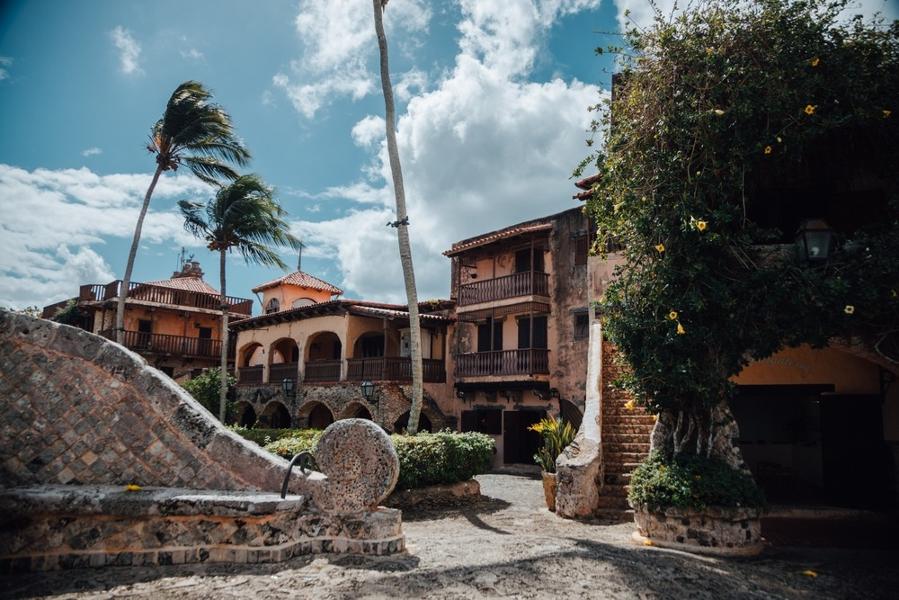
The village of Altos de Chavón is among the unusual visits to discover from Bayahibe village. Located in La Romana, above the Chavón River and 21 km from Bayahibe, it is a replica of a 16th-century Italian-Spanish village. Built between 1976 and 1982, the project came to fruition thanks to Italian architect and former Paramount Studios designer, Roberto Copa, and industrialist Charles Bluhdorn.
In addition to the paved streets where fountains, ironwork, arches, and Roman tile roofs stand side by side, you will find:
The Church of San Estanislao;
A Roman-style amphitheater that occasionally hosts musical events (Frank Sinatra performed here at the site's inauguration);
The Pre-Columbian Museum, which offers insight into pre-Hispanic art (from the pre-ceramic period to the Taíno era);
Mediterranean-style restaurants with breathtaking views of the lush Chavón River gorge;
Souvenir shops and artisanal objects
Finally, it should be noted that Altos de Chavón is considered the "Ciudad de los Artistas" ("City of Artists") and the cultural center of the region. It is home to a design school that trains many students in art and crafts. You can discover the work of artists and students in an art gallery.
Practical Information for Visiting Bayahibe
What is the Best Season to Visit Bayahibe?
The best time to visit Bayahibe is during the dry season, between December and April. During this time of year, you will enjoy temperatures ranging from 22°C to 30°C and very little rainfall. On the other hand, it is not recommended to visit between June and September, which corresponds to hurricane season.
How Long Should You Plan to Spend in Bayahibe?
We recommend planning at least two days on site (not counting travel days) to see the must-sees of the village and region. To fully enjoy the laid-back atmosphere and take time to discover all the gems of Cotubanamá National Park and the islands, you can consider a 4 to 5 day stay or longer!
How to Get to Bayahibe?
Bayahibe village is approximately 50 minutes by car from Punta Cana and an hour and a half from Santo Domingo. Several options are available to reach Bayahibe:
Private transfer from the main airports in the region (Punta Cana, Santo Domingo, or La Romana);
By bus or shuttle from the main cities of République Dominicaine;
By rental car.
What to Choose Between Punta Cana or Bayahibe During a Trip to République Dominicaine?
Are you wondering how to choose between Punta Cana and Bayahibe during a stay in République Dominicaine? In reality, it all depends on what you are looking for! If you want to relax and take it easy at an all-inclusive hotel while enjoying excellent value for money, then you can turn to Punta Cana for plenty of choices.
If you wish, on the other hand, to venture off the beaten path and see a glimpse of the authentic local life of the island, then we recommend opting for Bayahibe village. Less touristy and located near many exceptional natural sites, Bayahibe is the ideal alternative to enjoy beach pleasures while immersing yourself in Dominican nature and culture. And if we could add an argument that should convince you: the water is calmer and more conducive to swimming and you can enjoy spectacular sunsets!
Need help organizing your stay in Bayahibe and your trip to République Dominicaine? Feel free to contact us to benefit from expert advice and our best recommendations to plan a trip that matches your wishes and budget!
In the meantime, discover our tour: Bayahibe at Ease: 8 Days Between Sea, Nature & Local Culture.
Frequently asked questions
It is recommended to plan a minimum of 2 days to discover the must-sees of the village. To fully enjoy Cotubanamá National Park and Saona, Catalina, and Catalinita islands, a 4 to 5-day stay is recommended.
The best season to visit Bayahibe is the dry season, from December to April, with temperatures between 22°C and 30°C and little rain. It is best to avoid the period from June to September, which corresponds to hurricane season in the Caribbean.
Bayahibe is about 50 minutes by car from Punta Cana. You can reach the village by private transfer from Punta Cana airport, by bus or shuttle from major cities, or by rental car.
Saona Island is one of the most beautiful islands in the Caribbean and the excursion from Bayahibe is highly recommended. Its stunning beaches and natural pools with starfish make for an unforgettable experience. It is advisable to leave early in the morning to avoid crowds.
Yes, Bayahibe is renowned as one of the best diving destinations for beginners in République Dominicaine, thanks to its weak currents, excellent visibility, and shallow dive sites. Experienced divers can explore two wrecks including the Saint-Georges wreck, located between 30 and 40 m deep.
Punta Cana is ideal for an all-inclusive stay at a large hotel with many tourist facilities. Bayahibe, more authentic and less touristy, is perfect for those who want to discover Dominican local life, enjoy nature, and benefit from calmer seas, ideal for swimming and diving.