Barahona
Barahona
Pebble beaches, Larimar mines, national parks and fishing villages: discover Barahona, the Dominican Republic away from the resorts.
What if the true discovery of the Dominican Republic lay in Barahona? This destination invites you to venture beyond the well-trodden paths and discover a lesser-known corner of the country. Here, days unfold around walks, pauses by the water, and simple discoveries with no fixed agenda. Explore this pocket of nature and tranquility that deserves a lingering visit.
History
Barahona's history traces back to pre-Columbian times, when the region belonged to the Taíno chiefdom of Jaragua. Founded in 1802, the town received its name from the colonists who settled there. It quickly established itself as an important center for fishing and agriculture, with vast plantations of coffee and sugar. After independence, it became a strategic military post, then the seat of the Cuban revolutionary movement El Salvador.
Today, this town bears the marks of its rich and complex past, nestled in a region seducing visitors with its varied landscapes and the presence of Larimar, the precious stone emblematic of the Dominican Republic.
Discovering Barahona
Barahona is one of the 32 provinces that compose the Dominican Republic. Santa Cruz de Barahona is its capital. Located in the southwest of the country, it stretches between the Caribbean Sea to the west, the province of Azua to the east, Pedernales to the southwest, and the provinces of Independencia and Bahoruco to the north.
The city welcomes you by the sea, approximately 180 km from Santo Domingo. The diversity of landscapes — wild coastlines, hills, and freshwater — invites you to embrace the outdoors.
To the west, the Sierra de Bahoruco covers a vast portion of the province. At the border with Azua, the Sierra Martín García joins the Sierra de Neiba and the Loma de Sal y Yeso to enrich the region's natural profile.
Water is omnipresent in this area. The Yaque del Sur river flows through the north of the city, while the Nizaito and other rivers such as Palomino, Bahoruco, San Rafael, Sito, and Los Patos irrigate the province and contribute to its ecological diversity.
At the heart of the local economy, mining benefits from an industrial port and a free trade zone. Tourism, meanwhile, thrives on the natural wealth of the area. Agriculture remains vibrant, with crops of bananas and coffee, as well as exploitation of Larimar and marble.
What to Do and See?
- Enjoy beaches lined with coconut palms, often preserved and sparsely visited;
- Venture into dense forests to observe local wildlife and discover rich and varied vegetation;
- Hike through the majestic mountains of the region, such as the Sierra de Bahoruco, where panoramic views of the Caribbean Sea are spectacular;
- Cool off swimming in waterfalls and rivers with crystal-clear waters;
- Visit the cathedral and Municipal Palace of Santa Cruz de Barahona to immerse yourself in local history and architecture;
- Spend a relaxing day on Quemaíto beach;
- Discover the secrets of coffee culture by visiting a plantation and observing the stages of its production;
- Stroll through the Central Park in the heart of the city;
- Attend the patron saint festival;
- Mountain bike in the Sierra de Bahoruco national park, between trails and wild nature;
- Experience the thrill of zip-lining above lush tropical forest;
- Try water sports: surfing, paddleboarding, kayaking, according to your preferences.
What to See and Do Near Barahona
Lake Enriquillo
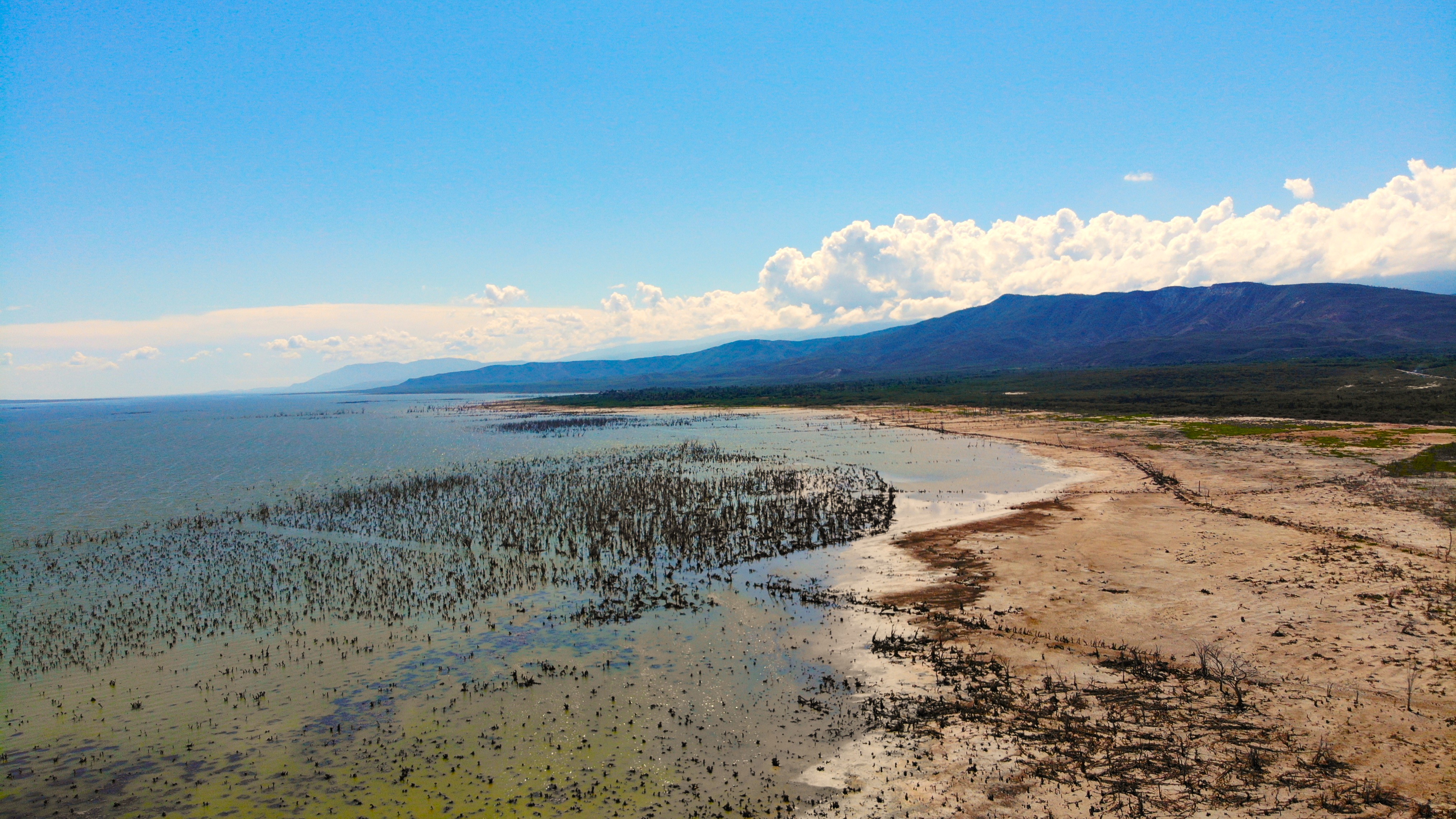
Follow the trail to Lake Enriquillo, well below sea level. Admire its contrasting landscapes, approach the crocodiles, and let yourself be guided to its three scattered islands.
The Magnetic Pole
Take the road toward Bahoruco and stop at the magnetic pole. Watch your vehicles defy gravity: an astounding optical illusion not to miss.
National Parks
Several protected areas open to ecotourism enthusiasts, such as Jaragua National Park, Sierra de Bahoruco, Cabritos Island in the heart of Lake Enriquillo, and Sierra Martín García. On the agenda: discovering the biodiversity typical of the region.
El Quemaito Beach
Just minutes from Barahona, El Quemaito beach invites you to pause and face the sea. Its white pebbles and nearby lodging options make it a convenient spot for a peaceful day.
San Rafael Beach
Approximately 20 kilometers south of Barahona, this beach borders a natural pool fed by the San Rafael river. Surrounded by steep hills, it offers an ideal setting for swimming.
Bahoruco Beach
This beach is known as one of the few spots conducive to surfing on the Caribbean coast. It's the preferred destination for wave enthusiasts.
Los Patos Caves
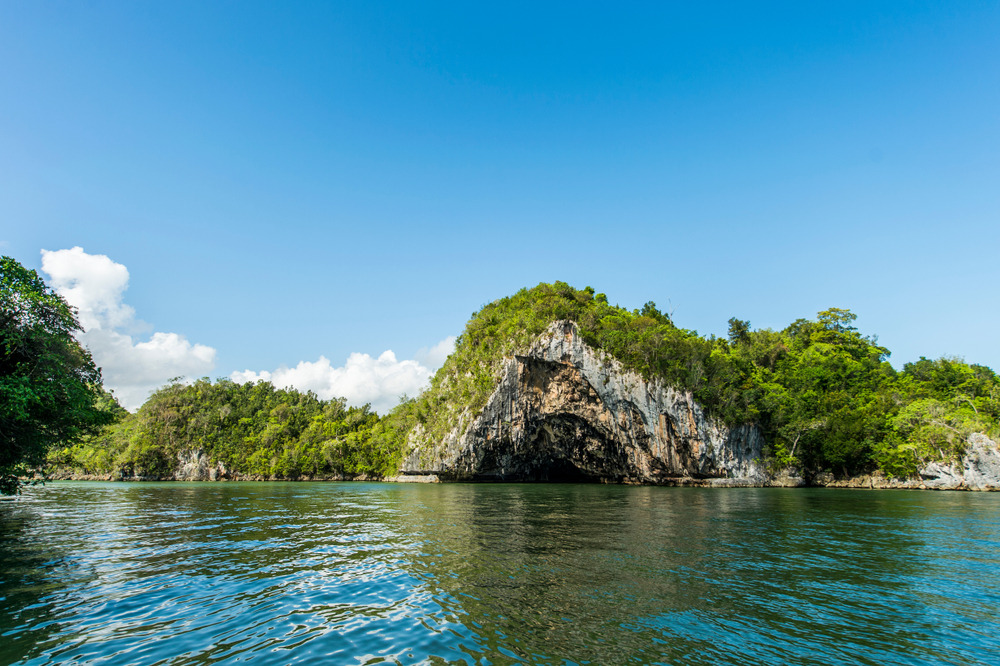
At the mouth of the Los Patos river, these rock formations bear the traces of the Taíno people, with engravings visible on the walls.
Oviedo Lagoon
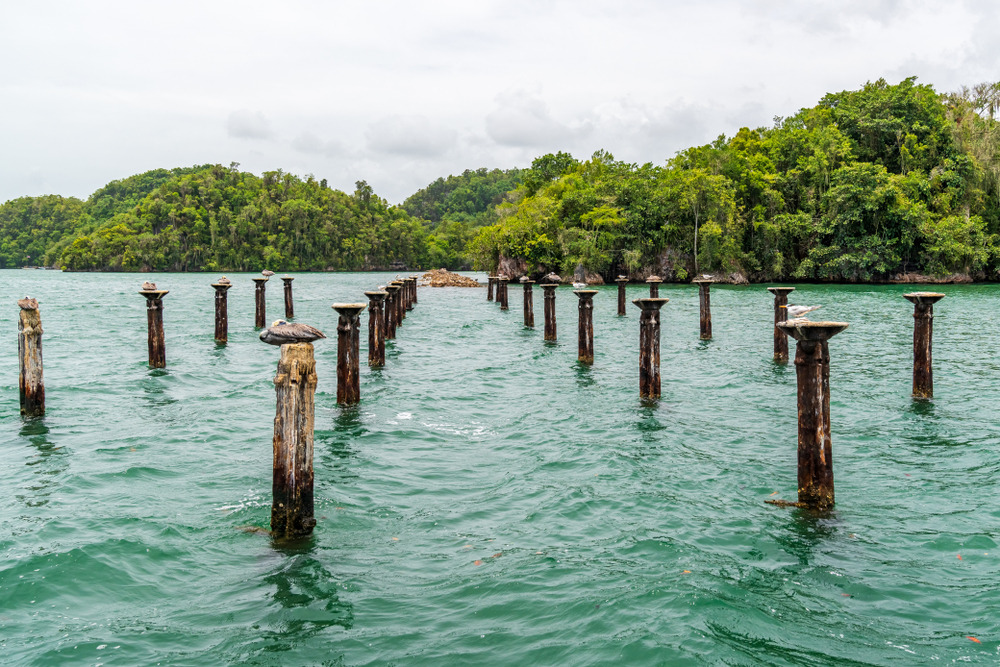
Within Jaragua National Park, south of Barahona, this lagoon dotted with small islands shelters great animal diversity. A boat excursion allows you to appreciate all its richness.
Beata Island
This uninhabited island of 27 km², located offshore, belongs to a natural reserve. You'll find turtles, crustaceans, and a rare species of small reptile discovered in 2001.
Cabral Lagoon or Rincón
Located between Barahona and Independencia, this wetland extends over 65 km². You'll find beautiful diversity of mammals, reptiles, fish, and birds.
Mata de Maíz Spa
40 km from Barahona, in the municipality of Polo, this site is surrounded by lush mountains. It appeals to nature lovers, freshwater enthusiasts, and those seeking tranquility.
Barahona's Beaches
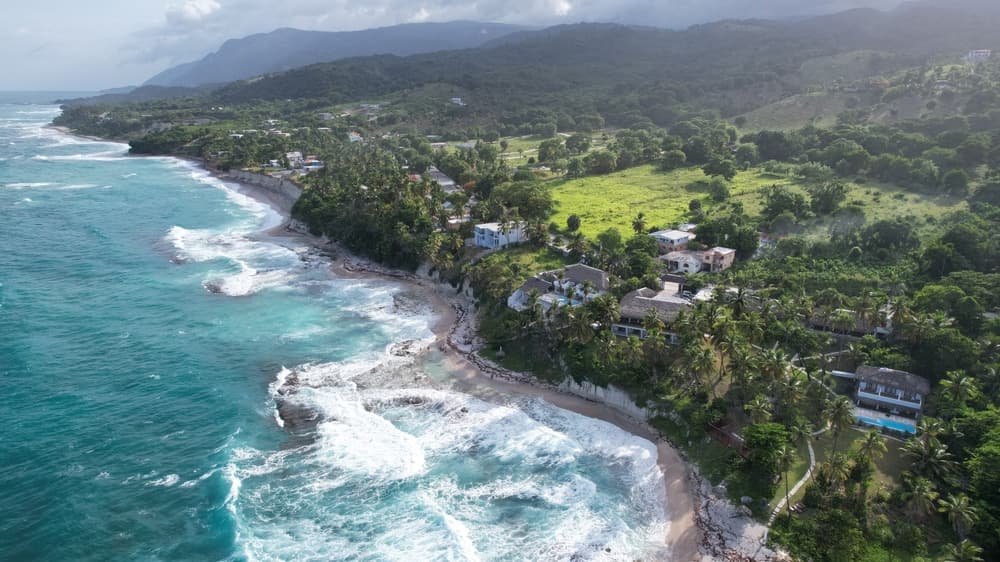
Barahona province offers a variety of beaches with contrasting colors: gray sand, pebbles, white sand… These beaches are favored by residents and visitors from the capital.
La Plaza Spa
In the vicinity of La Ciénega, this river spot remains relatively undiscovered and captivates with the clarity of its waters and its natural setting.
Practical Information
Climate
Expect warm and relatively humid weather in Barahona. Even in the dry season, showers are not uncommon. Temperatures vary little throughout the year: they generally exceed 27°C in January and reach up to 34°C in July. Rainfall varies from 1,000 mm to over 2,300 mm depending on the year.
When to Visit?
Favor the months of January to April and December for a stay in Barahona.
Reach Barahona by air via María Montez International Airport, located a few kilometers north of the city. Since flights are infrequent, prefer the bus. From Santo Domingo, expect approximately 3.5 hours of travel.
Attractions in Barahona
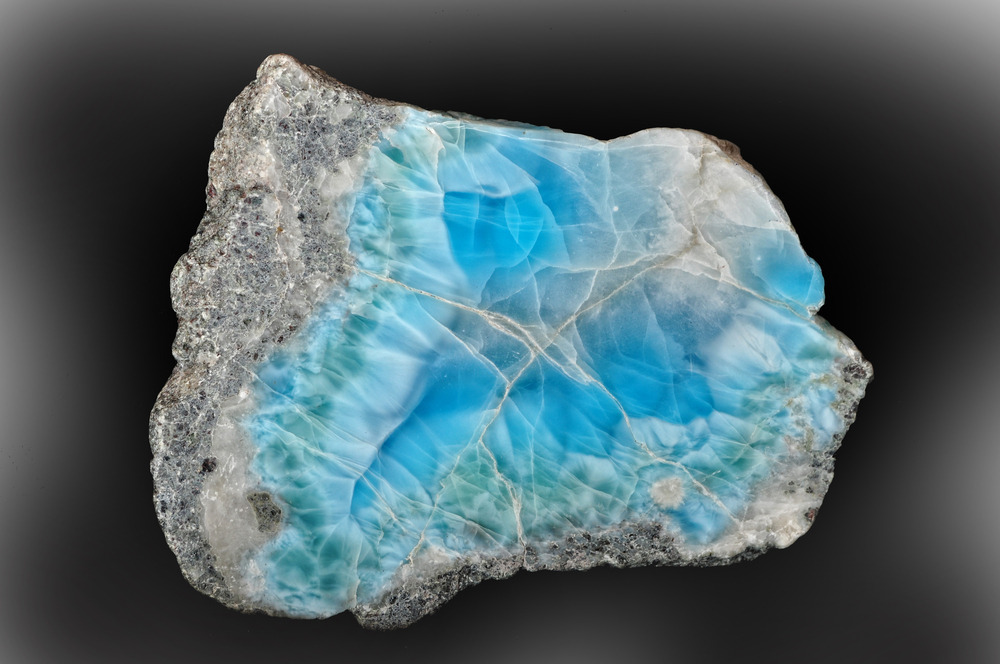
Larimar
Pierre semi-précieuse bleu turquoise extraite uniquement dans les montagnes de Barahona, le larimar est l'un des artisanats les plus identitaires de la République dominicaine.
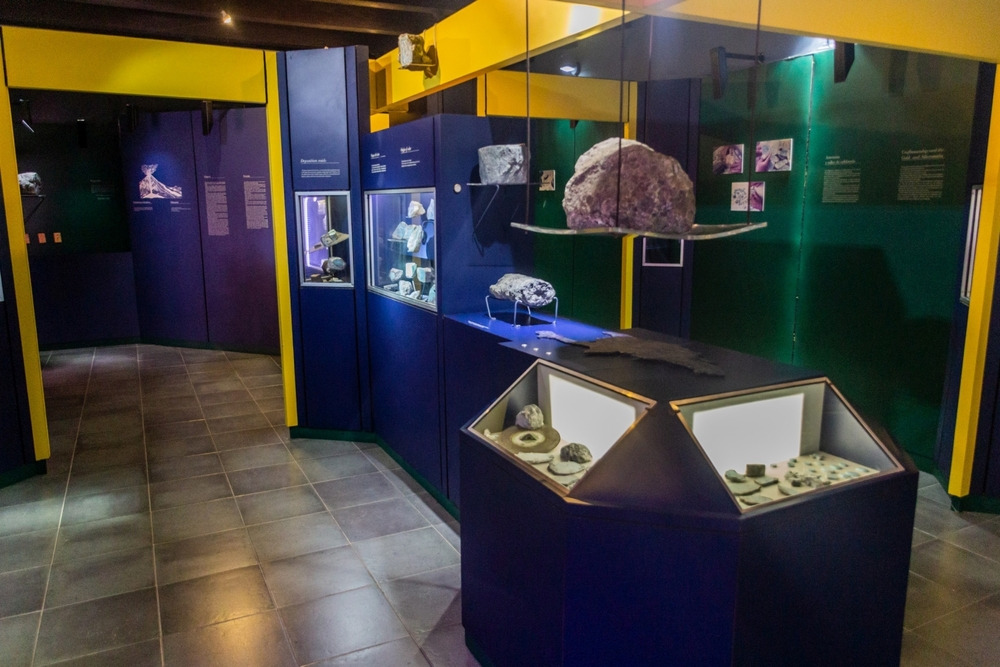
Musée du Larimar
Dans la Zona Colonial de Saint-Domingue, le Musée du Larimar retrace l'histoire d'une pierre bleue propre à la République dominicaine et expose le travail des artisans.
Want to discover this destination?
Our local advisors design your tailor-made trip.