Larimar
Larimar
A turquoise blue semi-precious stone extracted only in the mountains of Barahona, larimar is one of the most distinctive crafts of the Dominican Republic.
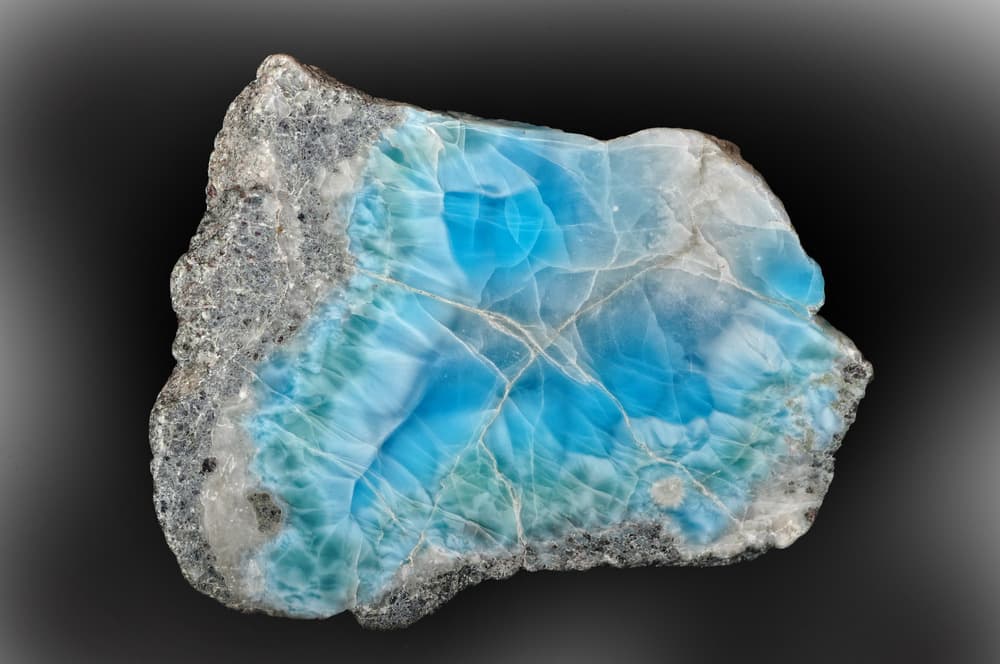
Larimar is a semi-precious stone of characteristic turquoise blue, extracted solely in the mountains of the province of Barahona, in the southwest of the Dominican Republic. Nicknamed the "stone of the sea" for its hue reminiscent of Caribbean waters, it has become an identity marker of the country and one of the island's most emblematic crafts.
Why take an interest in larimar
Larimar exists nowhere else on the planet. This geological uniqueness, combined with a history of recent discovery and local artisanal expertise, makes it an object of fascination for travelers and mineralogy enthusiasts alike. Its pale blue to turquoise color comes from the presence of copper in pectolite, the mineral that composes it, and each stone displays unique veining.
Purchasing or simply observing larimar near its extraction zone allows you to access pieces that are often more authentic and better cut than elsewhere, and to understand the complete chain, from mine to shop.
The history of larimar
In 1916, Father Miguel Domingo Fuertes de Loren discovered larimar for the first time in Barahona, in the southwest of the Dominican Republic. His bid for exploitation did not succeed and the stone fell into obscurity for decades.
In 1976, craftsman Miguel Méndez took an interest, aided by American geologist Norman Rilling. They rediscovered the extraction site near Los Chupaderos, in the mountain range that overlooks Barahona. The name "Larimar" combines Méndez's daughter's nickname, "Lari," and the word "mar" in reference to its blue color.
In 1979, larimar was officially recognized as a semi-precious stone. Since 2016, only polished stones can be exported, in order to protect the resource and promote local processing. Each November 22, the country celebrates National Larimar Day.
What to see and do around larimar
The Los Chupaderos mines
Located in the heights of the Sierra de Bahoruco, about twenty kilometers north of Barahona, the Los Chupaderos mine is the main extraction site. Exploitation remains artisanal: narrow shafts, dug by hand, plunge into volcanic rock. The visit, guided by local miners, provides a concrete glimpse of extraction conditions. The site is rustic, access is challenging, and sturdy shoes are essential.
Barahona's workshops and shops
The Barahona region concentrates small workshops where artisans cut and polish the raw stone to transform it into jewelry: pendants, rings, earrings, often mounted on silver. Buying directly from these workshops lets you watch the work in progress and chat with the artisans.
The Larimar Museum in Santo Domingo
In the colonial zone of the capital, the Museo del Larimar traces the history of the stone, its geological formation and extraction. The visit is brief (plan 30 to 45 minutes) but helpful for understanding what you'll purchase later. A shop on the ground floor offers certified pieces.
Practical information
Identifying genuine larimar
- Color ranges from milky white to intense blue, with natural veining and marbling; a uniformly blue stone should raise suspicions.
- The stone is cold to the touch and relatively soft (5 on the Mohs scale).
- Imitations in resin or glass paste are common in tourist markets in Punta Cana or Santo Domingo.
Where to buy
Favor shops affiliated with miner cooperatives, the Santo Domingo museum, or Barahona workshops. Ask for a certificate for higher-priced pieces. Price ranges run from a few dollars for a small pendant to several hundred for a gem-quality piece, depending on the intensity of blue, purity, and size.
Properties attributed to larimar
Crystal healing tradition attributes calming effects on stress, anxiety, or the throat area to larimar. These properties are based on beliefs and are not scientifically validated; however, they are part of the local sales pitch.
How to get to Barahona
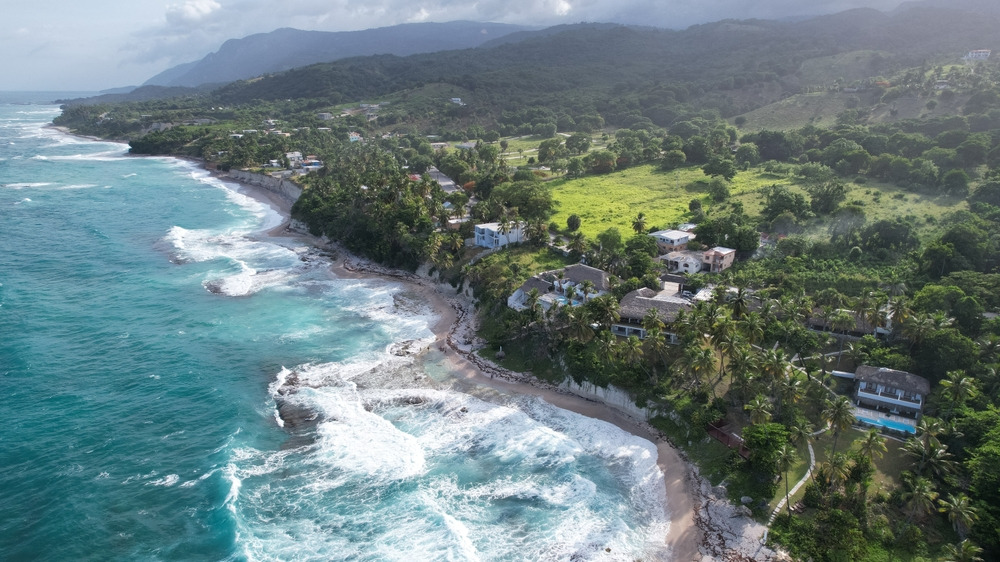
Barahona is located about 200 km southwest of Santo Domingo, roughly 3 to 4 hours by road. The route hugs the Caribbean coast and offers varied scenery. Several options:
- Car rental: the most flexible solution for then reaching the mines and the Pedernales peninsula.
- Long-distance bus: companies connect Santo Domingo to Barahona daily from the Caribe Tours terminal.
- Private transfer: convenient for a day trip, but the distance makes this option tiring.
To visit Los Chupaderos from Barahona, a 4x4 vehicle or local guide is recommended: the access track is steep and rocky.
What to see nearby
- Barahona and its southern coast, less crowded than the east coast.
- Cayo Arena, a sandbank off the north coast, for snorkeling.
- Gri Gri Lagoon, navigable mangrove in the north of the country.
- Altos de Chavón, a recreated artist village near La Romana.
Frequently asked questions
Frequently asked questions
Planning your trip
Larimar fits naturally into an itinerary blending the south coast, national parks, and Dominican craftsmanship. To build a tailor-made getaway including Barahona, its mines, and the rest of the country, consult our trips to the Dominican Republic.
Interested in this visit?
We can include it in your personalised itinerary.