Cotubanamá National Park
Cotubanamá National Park
A UNESCO Biosphere Reserve in southeastern Dominican Republic, Cotubanamá Park combines Taíno caves, mangroves, reefs and Saona Island.
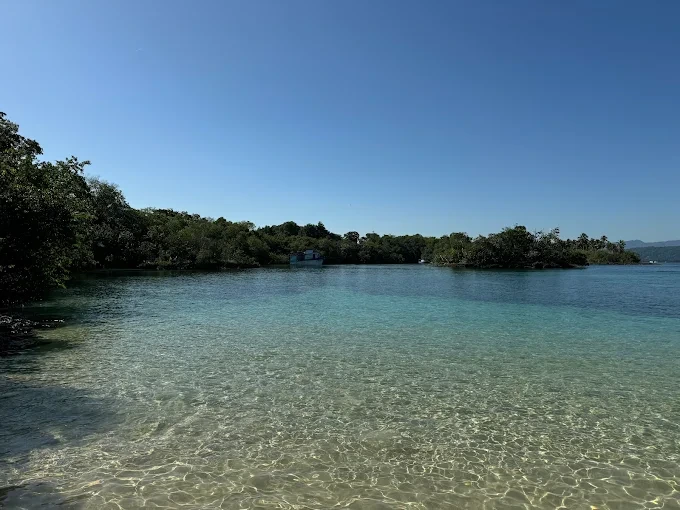
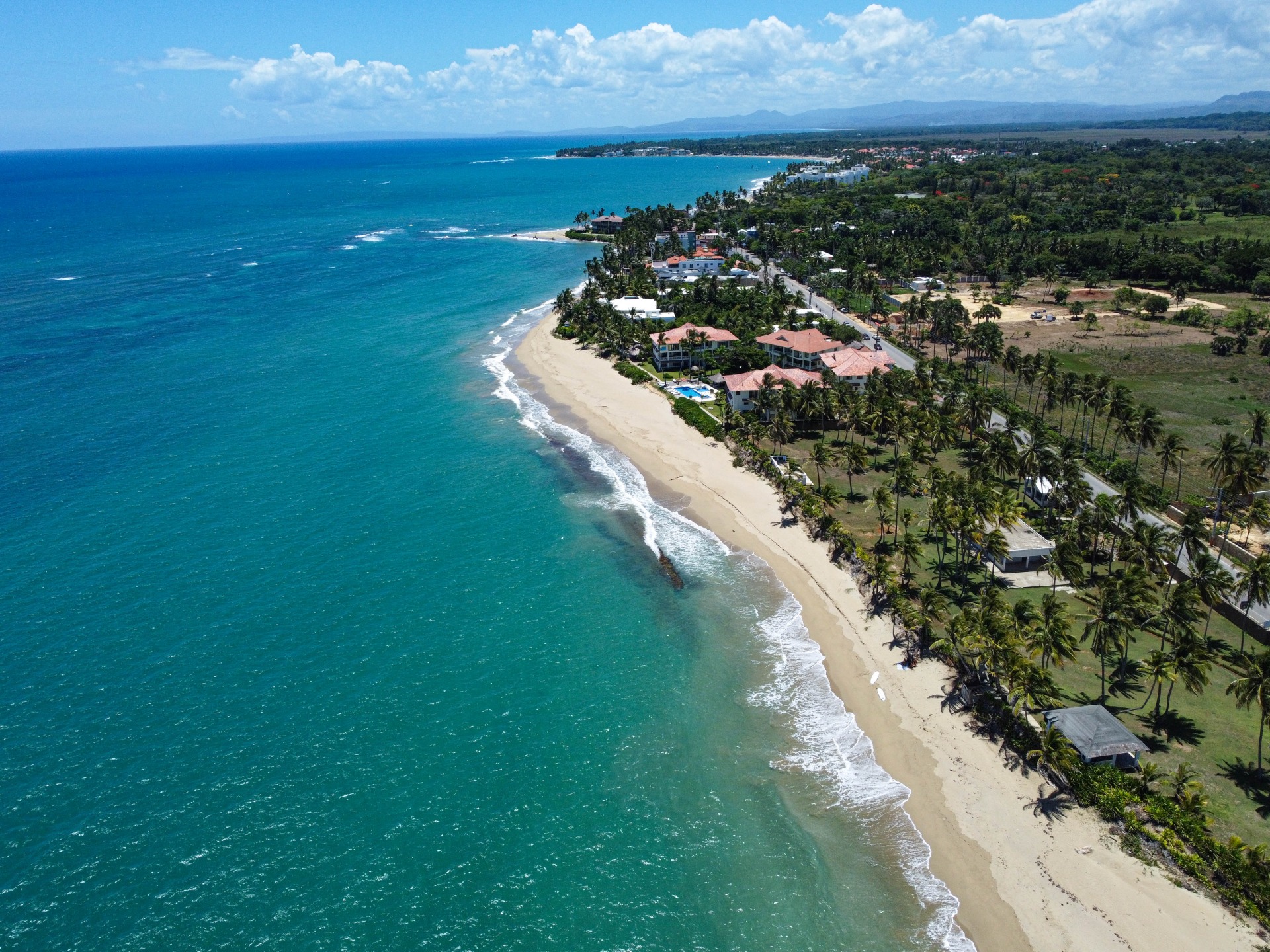
In southeastern Dominican Republic, near La Romana, Cotubanamá National Park spans 791.9 km² between subtropical dry forests, mangroves, coral reefs and caves adorned with Taíno rock art. Recognized as a UNESCO Biosphere Reserve since 2002, it combines natural, archaeological and historical significance across a portion of coastline that includes Saona Island.
Why visit Cotubanamá Park
The park brings together, in a single territory, several rare features: a Taíno heritage preserved in around twenty caves with petroglyphs and paintings, high biodiversity with over 570 plant species (60 of which are endemic) and more than 100 bird species, plus a coastline where manatees and dolphins thrive. It's one of the country's most comprehensive protected zones, accessible as a day excursion from La Romana, Bayahibe or Punta Cana.
Park History
Before the arrival of Europeans, the island of Hispaniola was divided into several Taíno chiefdoms. The Higüey region, now integrated into the park, was ruled by the cacique Cotubanamá. In the early 16th century, faced with Spanish colonization, he led a revolt against the occupation. Captured on Saona Island, he was taken to Santo Domingo where he was executed in 1504.
The protected area was established in 1975 as the National Park of the East. It was designated a UNESCO Biosphere Reserve in 2002, then renamed Cotubanamá National Park in 2014, in tribute to the Taíno leader. Archaeological sites scattered throughout the park, particularly the decorated caves, still bear witness to this pre-Columbian occupation.
What to See and Do
Taíno Rock Art Caves
Around twenty cavities in the park preserve paintings and petroglyphs left by the Taíno people. Among the most documented:
- Cueva José María: one of the richest iconographic ensembles, with several hundred pictographs.
- Cueva del Puente (Bridge Cave): accessible via a short trail, often included in guided tours.
- Cueva de Ramoncito, Bienve, Panchito, Pilón, del Huracán (Hurricane Cave), de la Havilla: other cavities with Taíno motifs, less well-known.
The park also hosts several underground springs and cenotes: Manantial Chicho and Chicho II, Cayuco spring, Owl spring. Several require an official guide for access.
Fauna and Flora
The park records more than 570 plant species, 60 of which are endemic to the region, spread across subtropical dry forests, mangroves, seagrass beds and reefs. As for wildlife, coastal waters are home to manatees and dolphins, and over 100 bird species have been identified, several endemic to Hispaniola.
Saona Island and Boat Excursions
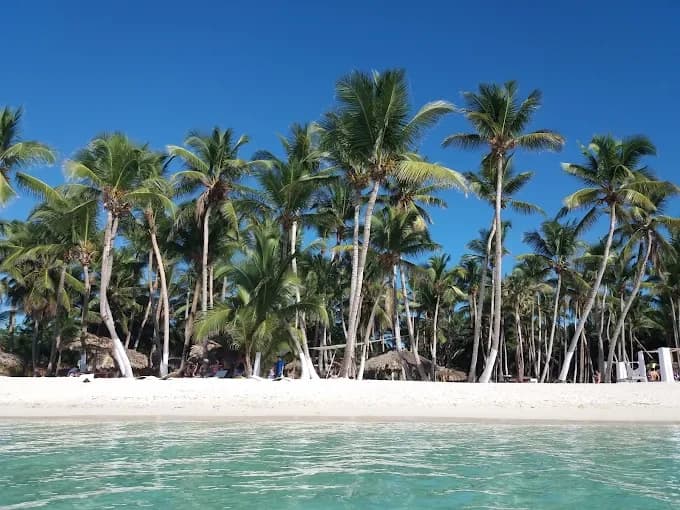
Trips to Saona Island, south of the park, rank among the most popular activities. Crossings are made by boat or catamaran from Bayahibe, with a stop at a natural pool (starfish) and swimming on the island's beaches.
Hiking, Diving and Wildlife Watching
Several marked trails connect caves or coastal viewpoints, the shortest leading to Cueva del Puente. Reefs on the Bayahibe side, as well as nearby wrecks, are renowned for diving and snorkeling.
Practical Information
Park access is available through several entrances: Bayahibe (mainly for boat departures and Cueva del Puente), Boca de Yuma to the east, and Guaraguao to the southeast. A modest entrance fee is collected on site. For remote caves and springs, an official guide is recommended, sometimes mandatory depending on the site. Plan half a day for a combined boat and cave visit, and a full day for a Saona excursion.
When to Go
The dry season, from December to April, offers the most favorable conditions: milder temperatures, calm seas, accessible trails. The rainy season runs from May to October, with generally brief showers but rougher seas and cyclone risk between August and October. The park remains open year-round.
How to Get There
The park is about two hours' drive from Santo Domingo via the Coral Highway. From La Romana or Bayahibe, the main entrance is less than 30 minutes away. From Punta Cana, allow around 1 hour 15 minutes travel time. Most visitors use an organized excursion including transport, guide and boat; public transport (guaguas) serves Bayahibe and Boca de Yuma but does not enter the park.
Nearby Attractions
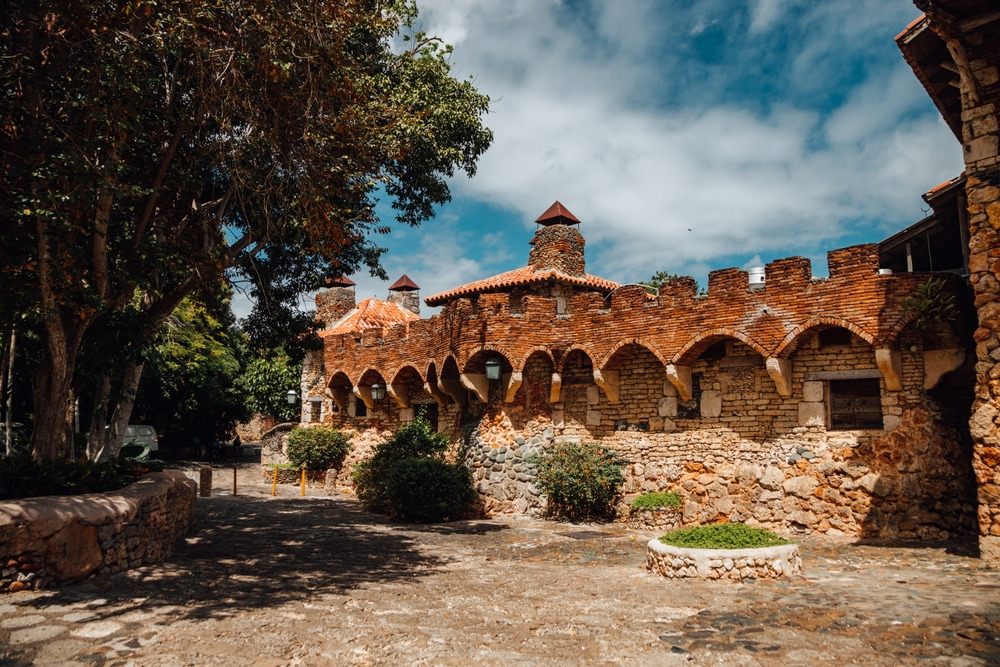
- Altos de Chavón, a Mediterranean-inspired village perched above the Chavón River, about twenty minutes from La Romana.
- Dudù Lagoon, a cluster of freshwater cenotes on the north coast, to extend the caves and underground waters theme.
- Grotto of Wonders, another major rock art site, located between Santo Domingo and La Romana.
- Cayo Arena, a coral sandbank on the north coast, for another marine experience.
Frequently Asked Questions
Frequently asked questions
Yes, for most decorated caves and springs: accompaniment by an official guide is required to protect the rock paintings. Main trails and beaches remain accessible free of charge after paying the entrance fee.
Plan half a day for a focused outing (cave plus boat or hiking), and a full day for a Saona Island excursion or a combination of caves and coast.
From December to April, during the dry season, for stable visiting conditions and calmer seas. The rainy season (May to October) remains practical outside cyclone episodes.
Yes: Saona is an integral part of the national park. Most excursions from Bayahibe combine boat crossing, natural pool swimming and stops on the island's beaches.
Plan Your Visit
Cotubanamá fits easily into an itinerary combining southeastern Dominican Republic and the capital. To build a tailor-made journey including the park, Saona Island and other regional sites, explore our Dominican Republic trips.
Interested in this visit?
We can include it in your personalised itinerary.