Language and Culture of the Dominican Republic
Has a Santo Domingo resident's accent ever thrown you off? Or have you savored a typical Dominican Republic dish without truly understanding what made it special? With its African, Spanish, and Taíno influences, this country showcases remarkable cultural diversity. Spanish is the main language, but local expressions add intriguing nuances. How can you adapt to this culture and language? We guide you through the Dominican universe.
Has a Santo Domingo resident's accent ever thrown you off? Or have you savored a typical Dominican Republic dish without truly understanding what made it special? With its African, Spanish, and Taíno influences, this country showcases remarkable cultural diversity. Spanish is the main language, but local expressions add intriguing nuances. How can you adapt to this culture and language? We guide you through the Dominican universe.
The Dominican Language
Spanish is the official language of the Dominican Republic. The country features several accents influenced by the Spanish of the Canary Islands and southern Andalusia. The Cibao accent combines influences from Portuguese colonists of the 16th and 17th centuries and Canarian colonists of the 18th century.
Dominican Spanish has also integrated words from Arawak, the language of the first inhabitants. Common terms stemming from this influence include: barbecue, canoe, Caribbean, hammock, hurricane, iguana, manatee, mangrove, savanna, and tobacco.
Cultural Influences of the Dominican Republic
Gastronomy
Inspired by Spain, Dominican cuisine is both rich in flavor and often seasoned generously with spices. The Taíno already used spices such as pepper. African and Spanish influences enriched this culinary tradition.
Very popular, sancocho de siete carnes is a soup made with seven different meats.
Particularly beloved, goat meat is prepared in numerous ways—roasted leg of goat with rum and cilantro, or goat stew with tomato.
The signature dish bandera is a combination of white rice, red beans, meat ragout, salad, and fried plantain.
Fish and seafood are enjoyed grilled, in soups, baked, or prepared Creole-style.
While local beer and Chilean or American wines don't captivate everyone, Dominican rum varieties will delight connoisseurs.
Arts
Merengue is the country's most popular music. It's present everywhere: in restaurants, streets, on the beach, and even in transportation. One could say it's the "opium of the people." Like other Caribbean islands, salsa is also highly popular, as is bachata, a local music genre that has taken the nation by storm.
The Dominican Republic is home to numerous talented artists. Their works have been shaped by the influence of Spanish painters who fled the civil war. Naïve art is also very prevalent.
The late 19th and early 20th centuries were marked by three literary movements: indigenismo, which criticized Spanish cruelty toward the Taíno, and criollismo.
The country's architecture stands out for its incredible mix of styles: Gothic, Victorian, Art Deco, Caribbean, Cuban, English, and North American.
Religion
95% of the population is Catholic, though religious practice is relatively modest. Haitian immigrants and their descendants often identify as Catholic, but many actually follow Vodou traditions, which they practice discreetly. These rites are indeed perceived as pagan by the government and society at large.
Customs
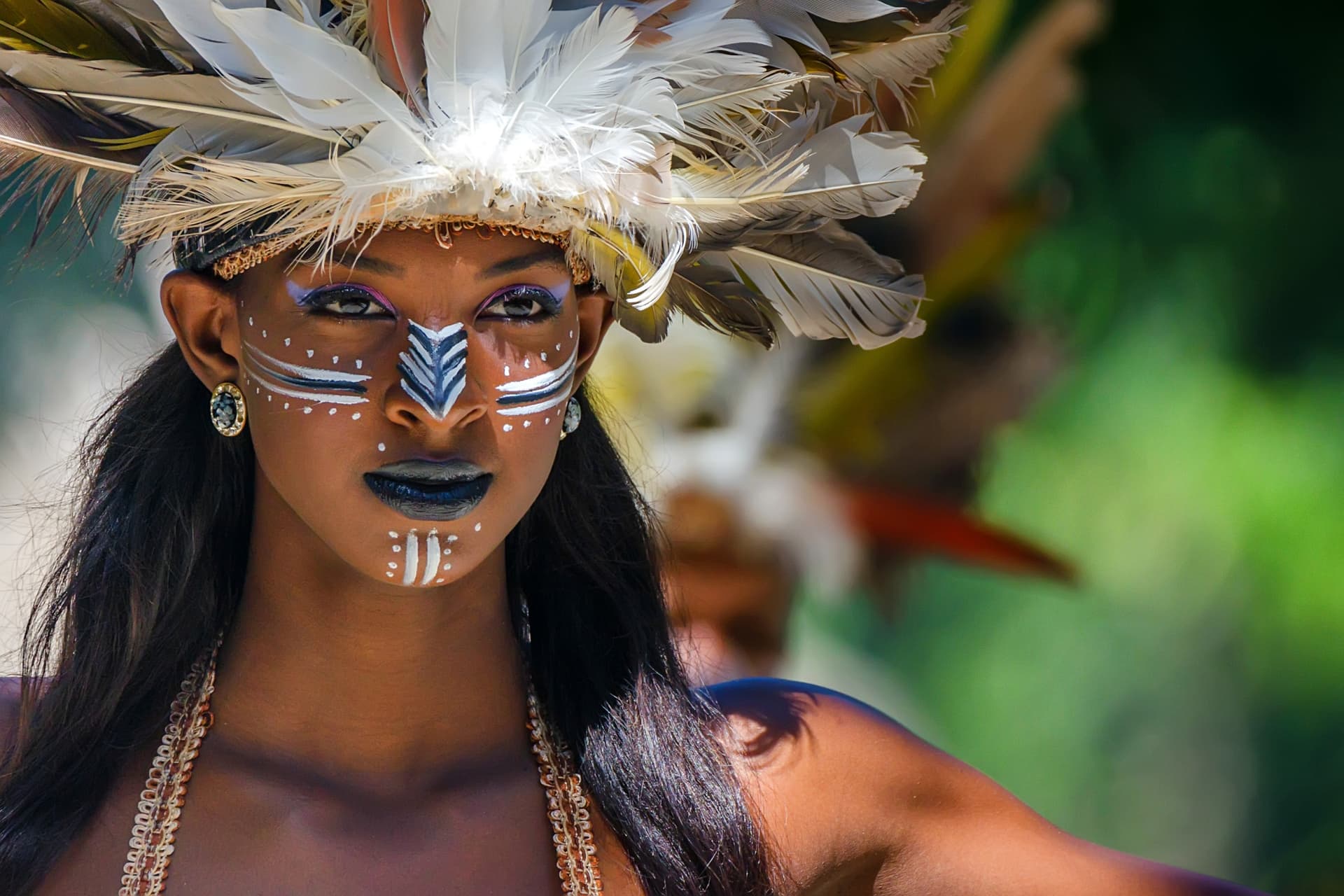
Taíno culture nearly vanished following the destruction of this people by the Spanish. African slaves, meanwhile, were stripped of their language and traditions. Today, Dominican culture is primarily inherited from Spain.
Couresy holds an essential place in social relations. It is important to always greet your interlocutor, whether on a bus or in a shop, before starting a conversation: "buenos días" (good morning), "buenas noches" (good evening).
When entering a public space, it is also courteous to greet all present. Appearance is paramount to Dominicans, who make efforts to dress carefully. They sometimes struggle to understand why certain foreigners, better off financially, opt for neglected attire. It is therefore advisable to wear simple but neat clothing, avoiding sloppy looks (such as a shirt untucked or an undershirt). Shorts are prohibited in official buildings. And above all, do not display your jewelry.
- Learn a few words in local Spanish: Even though standard Spanish is widely understood, learn some Dominican expressions to connect more deeply with locals.
- Be open to cultural differences: Dominicans have a very particular sense of humor and a pronounced taste for celebration. They will appreciate your efforts to understand their culture.
- Participate in festivals: Events like carnival or religious celebrations are exceptional opportunities to discover local culture.