Samaná Peninsula
A lush peninsula in the northeast where 2,000 humpback whales come to breed each winter, amid rainforest, the mangrove swamps of Los Haitises and the beaches of Las Galeras.
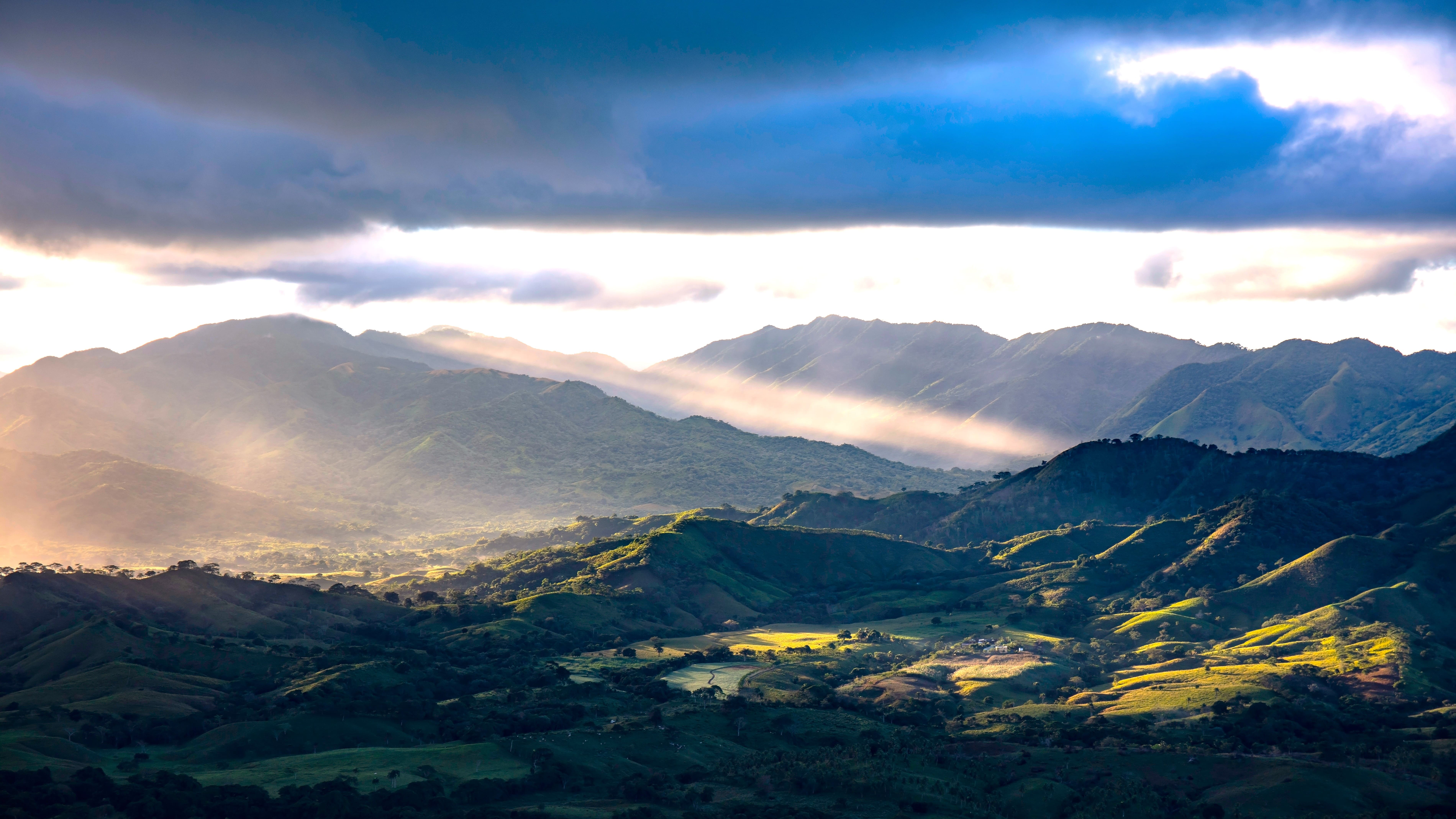
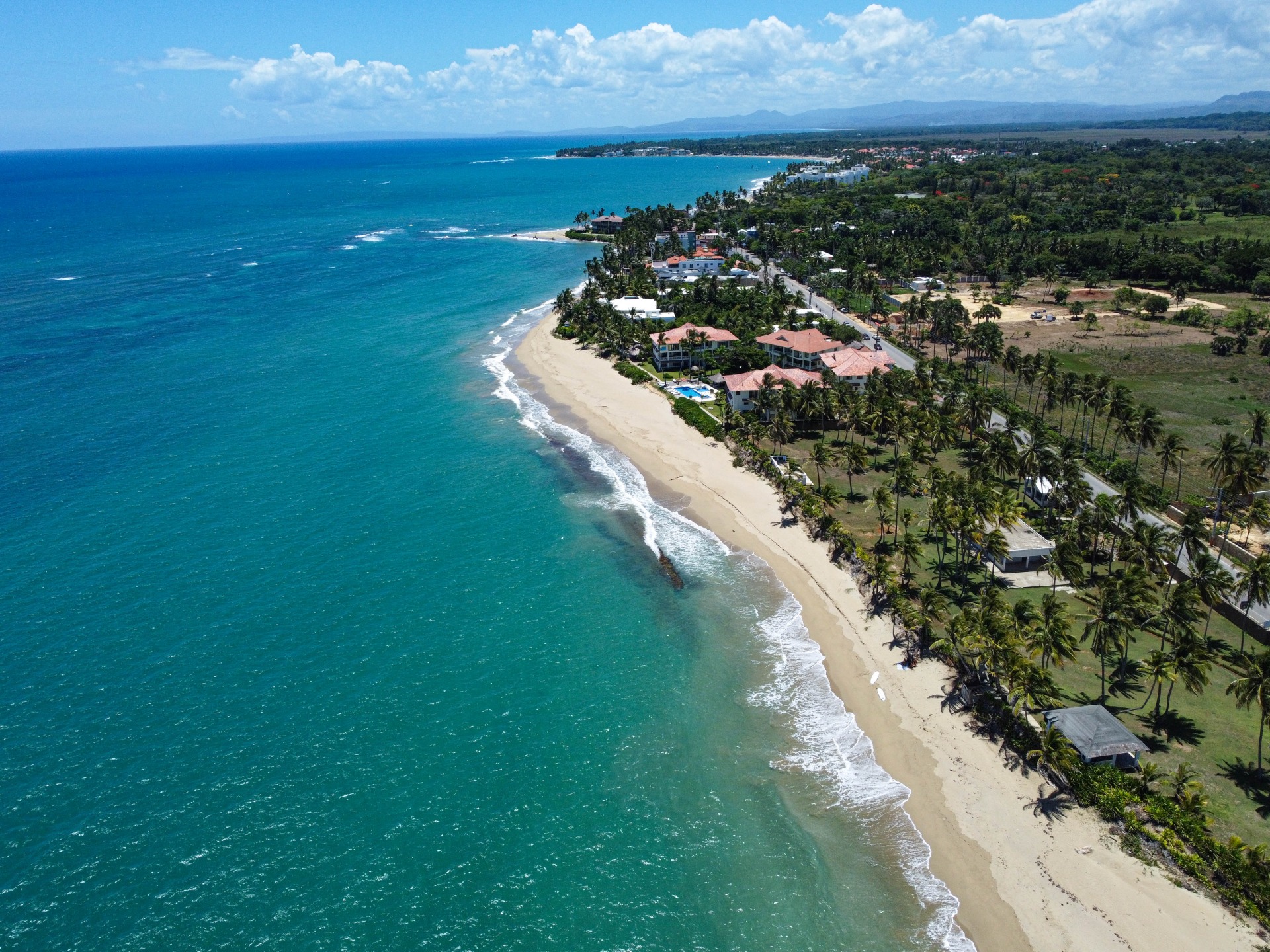
The Samaná Peninsula stretches some fifty kilometers into the northeast of the country, separated from the rest of the island by a coconut palm plain that you cross via the Northeast Highway. It's a narrow strip of land, mountainous at its core, bordered to the south by Samaná Bay and to the north by the Atlantic. Humid forest descends to the sea in certain coves, giving the peninsula a different character from the rest of the Caribbean coast: greener, more rugged, less developed.
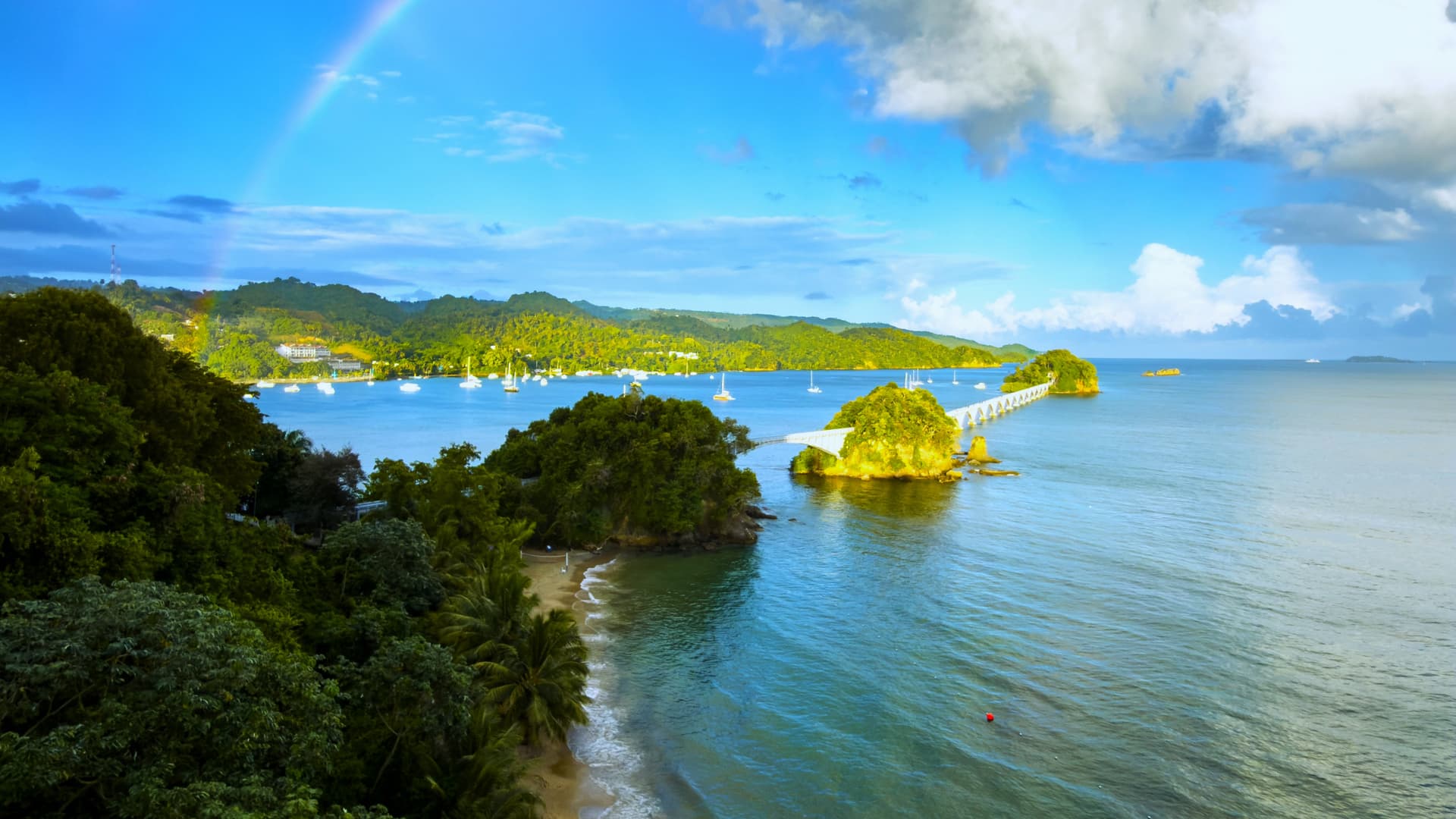
Three hubs structure the territory. Santa Bárbara de Samaná, on the bay, serves as the departure point for sea excursions and retains the atmosphere of a small provincial town, with its fish market and pedestrian bridge to the islets of Vigía and Linares. Las Terrenas, on the north coast, has become cosmopolitan since French, Italian, and Québécois communities settled there in the 1990s: you can order mangú for breakfast or a café espresso at Plaza Pueblo de los Pescadores. Las Galeras, at the eastern point, remains the most discreet of the three, with a road that ends in a dead-end and beaches like Playa Rincón or Playa Frontón, accessible only on foot or by boat.
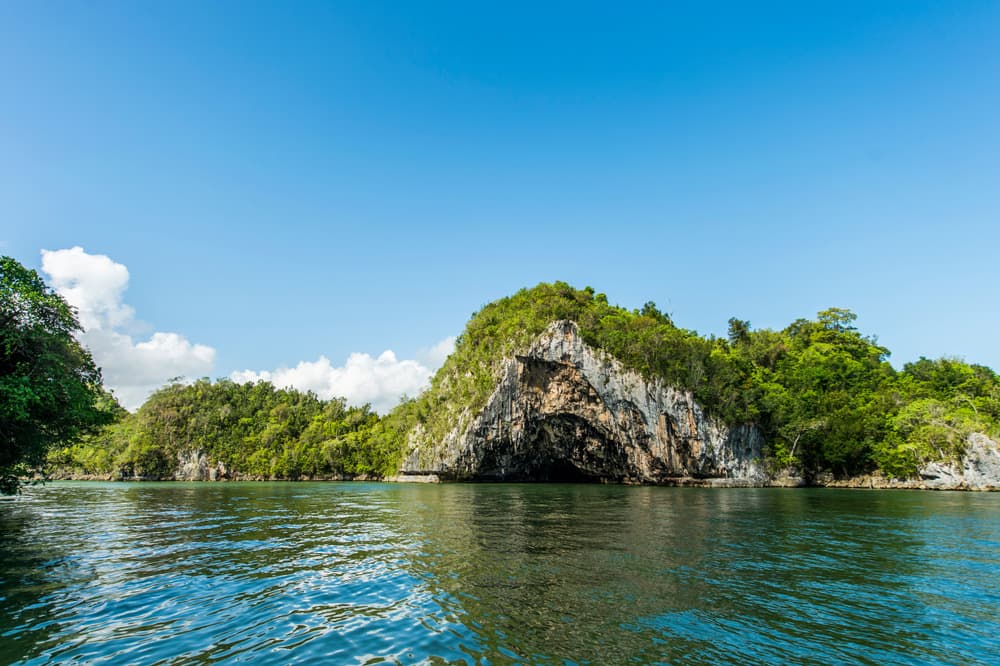
From mid-January to mid-March, approximately 2,000 humpback whales from the North Atlantic come to breed and give birth in the bay. The concentration is one of the densest in the Caribbean, and observation has been regulated since 1994 by the marine sanctuary of the Plata and Navidad banks. We work with operators accredited by the Ministry of Environment, who respect approach distances and limit the number of boats per group. Outside whale season, Samaná port remains the departure point for Los Haitises National Park, on the other side of the bay, where mangrove and limestone mogotes shelter caves decorated with Taíno pictographs.
Inland, the terrain rises quickly to 600 meters and rivers cascade toward the coast. El Limón waterfall, standing 40 meters high, is reached in 40 minutes of hiking from the village of El Limón, either on foot or on horseback with guides from the local association. The trail crosses humid forest where cacao, mango trees, and royal palms grow, and several families open their parador restaurants to serve sancocho or Creole chicken upon return. The peninsula has cultivated cacao since the 19th century: the Conacado cooperative, based nearby, exports a large portion of the country's organic production.
Samaná's culture carries a singular history. Part of the population descends from freed African American slaves who arrived in 1824 from Philadelphia, when Haitian president Boyer occupied the entire island. Their descendants, the Samaná Americans, have preserved a creolized English, family names like Johnson, Kelly, or Green, and a distinctive musical tradition still heard in the town's Methodist church. Temperatures remain stable, between 24 and 30°C year-round, and the northeast trade winds cool the evenings on the Atlantic coast.
What to Discover
Humpback whales in Samaná Bay. Three-hour sea excursion from Samaná port, between mid-January and mid-March, with a naturalist aboard. You'll observe the leaps of males and mother-calf pairs at regulated distances.
Los Haitises National Park by boat. Crossing the bay toward limestone mogotes, the Caño Hondo mangrove, and the caves of San Gabriel and Línea, where Taíno pictographs remain on the walls.
El Limón waterfall on foot or horseback. 40 minutes uphill through humid forest to a 40-meter cascade, swimming possible in the lower pool. Return via a family parador for sancocho.
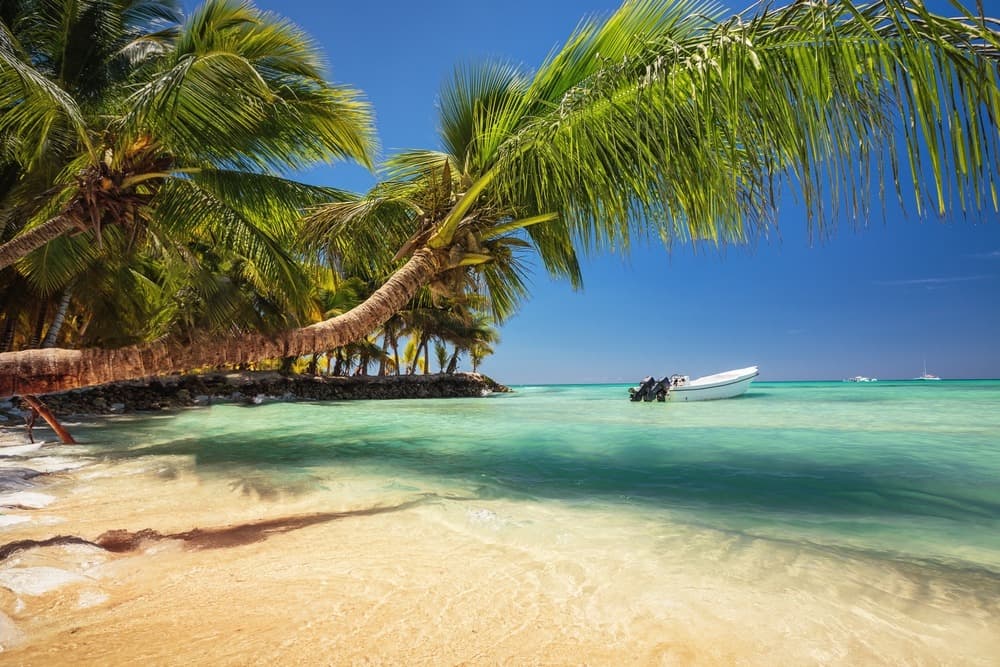
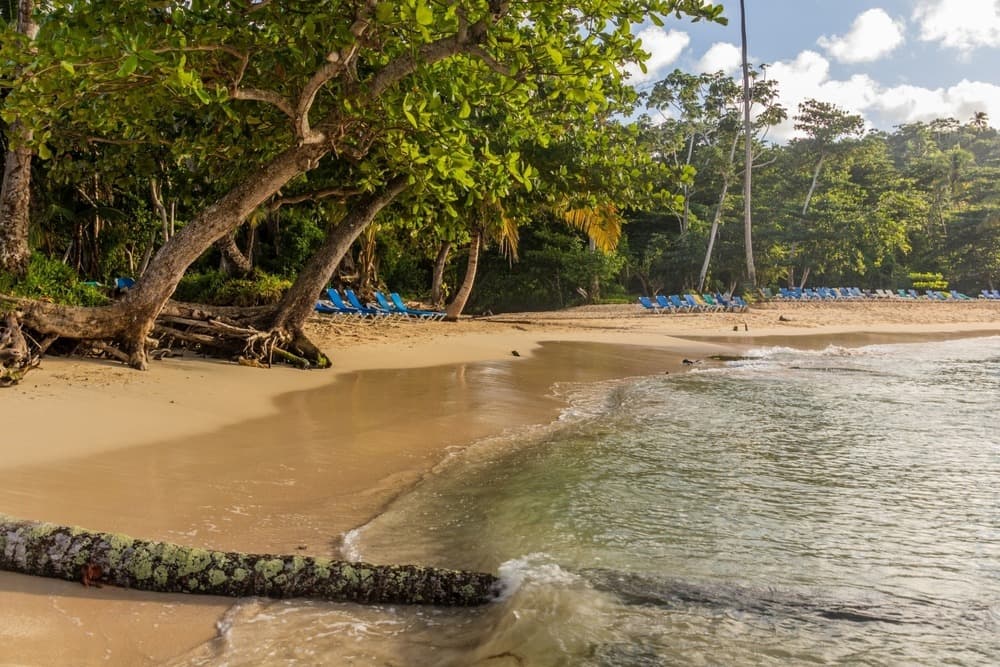
Playa Rincón and Playa Frontón from Las Galeras. Two beaches at the eastern point still without development, accessible by lancha or dirt track. Coconut palms in the background, shallow water, street vendors selling grilled fish.
African American heritage of Samaná. Visit to La Churcha church, founded in 1824 by freed people from Philadelphia, and meet with Samaná American families who still speak a creolized English.
When to Visit
The best window for the peninsula runs from mid-December to mid-April: temperatures of 24 to 28°C, consistent trade winds, brief nocturnal rains. Peak whale-watching season concentrates from mid-January to mid-March, with a peak in February. If whales are your primary motivation, we recommend these precise six weeks. From May to June, afternoon showers intensify, but the peninsula remains accessible and beaches are empty.
From August to October, Atlantic hurricane season directly affects Samaná: storm passages remain rare but disrupt access to Playa Rincón and sea outings. The interior forest becomes very humid and certain trails, like El Limón, turn to mud. November marks the transition, with still-warm days (around 30°C) and the sea gradually calming on the north coast at Las Terrenas and Las Galeras.
Practical Tips
We recommend a minimum of 4 days on the peninsula to cover the bay (whales or Los Haitises depending on season), one interior day (El Limón, cacao plantation), and two coastal days between Las Terrenas and Las Galeras. Access is either via El Catey International Airport (AZS), 20 minutes from Las Terrenas, or by road from Santo Domingo: 2.5 hours via the Northeast Highway, tolls included. From Puerto Plata, count 3 hours of driving via the north coast.
The most coherent combination pairs Samaná with the North Coast and Puerto Plata in a 10- to 12-day loop along the Atlantic. For a more contrasting trip, we pair the peninsula with the Central Cordillera (Constanza, Jarabacoa) 4 hours' drive away, to alternate sea and altitude. Hotel comfort ranges from beachfront boutique hotels in Las Terrenas to eco-lodges in Los Haitises on stilts in the mangrove. The region suits families with children from age 6 onwards, contemplative travelers seeking uncrowded beaches, and those drawn to marine wildlife. Long-distance hikers will find more terrain in the Cordillera.