National Pantheon
National Pantheon
A former Jesuit church transformed into a national mausoleum in 1958, the Pantheon of Santo Domingo brings together the great figures of Dominican history, in the heart of the Colonial Zone.
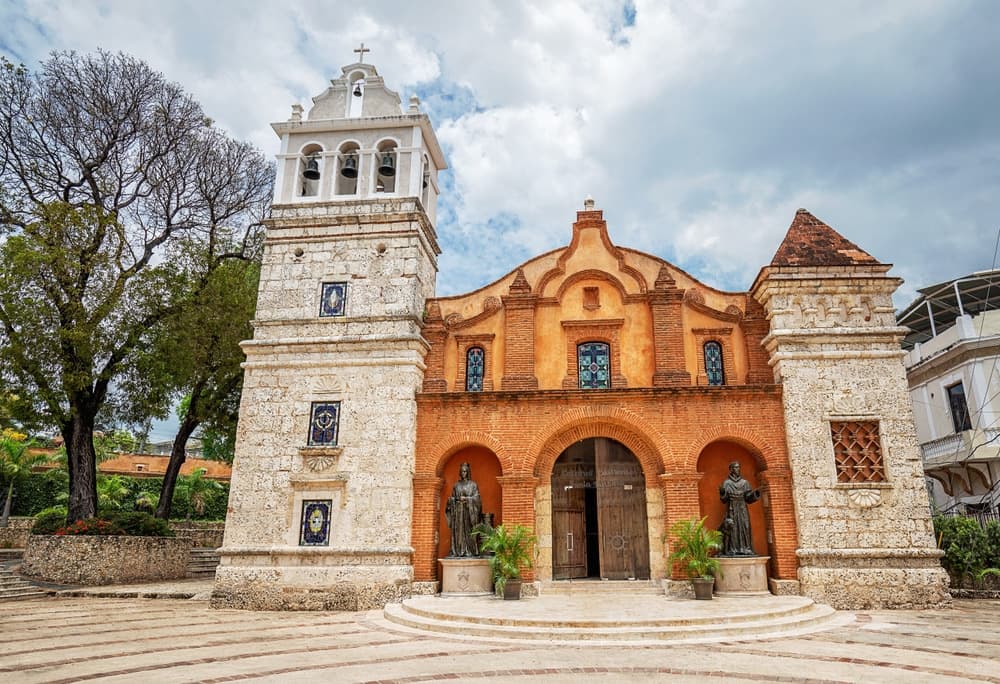
In the heart of Santo Domingo's Colonial Zone, the National Pantheon houses within a former Jesuit church the figures who have shaped Dominican history. Located on Calle de Las Damas, the building stands out for its austerity and official role: it is here that generals, writers, and political figures honored by the Republic rest.
Why visit the National Pantheon
This visit appeals to those seeking to understand the construction of Dominican identity following independence in 1844. Within minutes, you grasp how an 18th-century religious edifice became, two centuries later, the nation's official memorial site. Entrance is free, and the site fits naturally into a tour of the Colonial Zone, steps away from Plaza María de Toledo and the Alcázar de Colón.
Three key reasons to add this site to your itinerary:
- A quick, concrete reading of national history through the figures entombed here
- Austere architecture bearing witness to the transformation of colonial religious buildings
- A free stop well situated in the UNESCO-listed old town
Building history
Originally, this building served as a Jesuit church. Construction began in 1714 and was completed in 1793. Following the expulsion of the Jesuits in 1767, it served several purposes: warehouse, meeting hall, and later theater. Deteriorating over time, it was restored in 1955, then transformed into a national mausoleum in 1958 under the Trujillo regime.
Since then, the site has hosted official ceremonies honoring Dominican figures. Among them are General Pedro Santana, the first president of the Dominican Republic following independence in 1844, and María Trinidad Sánchez, executed for defending her independence ideals.
The Pantheon currently houses 47 burial sites, some still vacant. Note: the Fathers of the Nation—Duarte, Sánchez, and Mella—are not buried here but in their own mausoleum at the Puerta del Conde, at the opposite end of the Colonial Zone.
What to see inside
The interior favors restraint and simplicity. The nave follows a cross plan, bordered by side chapels. The dome is adorned with a contemporary fresco, and a large bronze chandelier, a gift from Franco's Spain during the Trujillo era, hangs at the building's center.
Along the walls, plaques and documents identify the entombed figures and explain their role in Dominican history. A military guard in uniform is permanently posted inside, requiring respectful dress and silence from visitors.
Practical information
- Address: Calle de Las Damas, near Plaza María de Toledo, Colonial Zone, Santo Domingo
- Admission: Free entry
- Hours: Open during the day Tuesday to Sunday, generally closed Monday (verify on-site as hours may vary)
- Dress code: Shoulders covered recommended, avoid very short shorts; hats should not be worn inside
- Photography: Generally permitted without flash, but ask the guard if in doubt
- Duration: Allow 20 to 40 minutes
How to get there
Public transportation
Guaguas (local minibuses) serve the Colonial Zone easily. From the nearest stop, the Pantheon is reachable on foot in just a few minutes. If coming from another city, take an intercity bus to Santo Domingo, then a guagua or taxi to reach the Colonial Zone.
Taxi or ride-sharing
Taxis and Uber are plentiful in the capital. Simply tell the driver "Panteón Nacional, Zona Colonial"; drop-off is on Calle de Las Damas or nearby.
By car
The Colonial Zone is accessible by car, but parking is very limited and streets are often narrow or pedestrian-only. Park in a nearby lot and finish on foot.
What to see nearby
The Pantheon fits into a Colonial Zone tour that includes the Cathedral of Santa María la Menor, the Alcázar de Colón, the Museum of Royal Houses, and the Puerta del Conde, where the Fathers of the Nation rest. Half a day allows you to visit these sites on foot in succession.
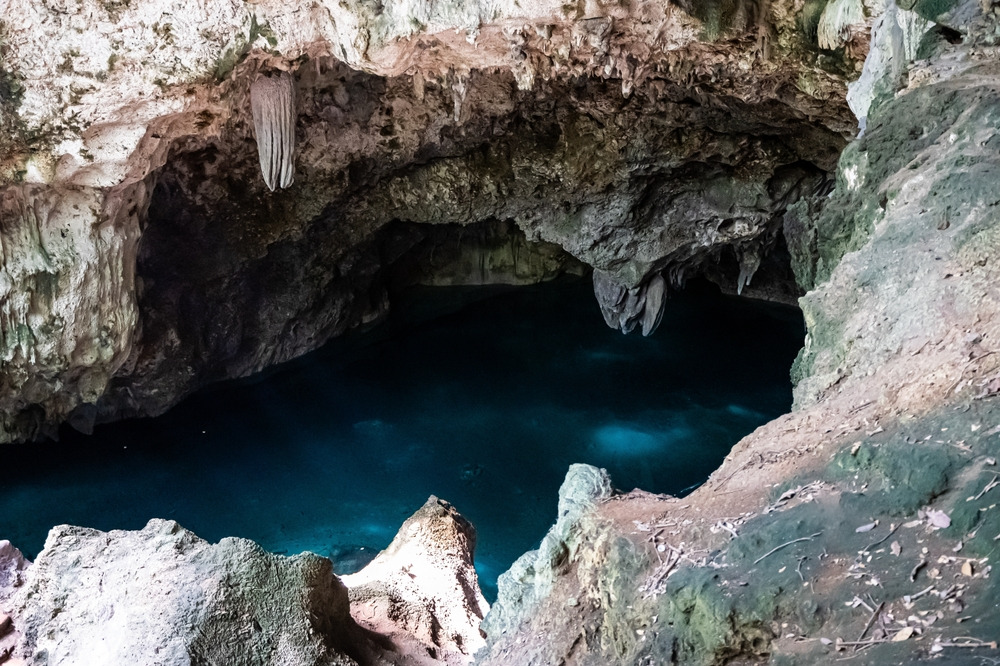
To extend your exploration of the capital and surroundings, the Three Eyes National Park offers a natural contrast with its underground lagoons, about twenty minutes by car. Further along the east coast, Altos de Chavón recreates a 16th-century Mediterranean village. For nature enthusiasts, the Wonders Cave and Dudù Lagoon rank among the possible day trips from Santo Domingo.
Frequently asked questions
Frequently asked questions
No, entry is free. No ticket is required and no reservation is necessary.
As the building is an official mausoleum monitored by a military guard, wear clothing that covers your shoulders, avoid very short shorts, and remove your hat upon entry.
Photography is generally permitted without flash, in respect of the silence and the guard on duty. Confirm at the entrance.
They are not buried at the Pantheon but in the Altar of the Nation located at the Puerta del Conde, at the opposite end of the Colonial Zone.
Allow 20 to 40 minutes depending on your interest in the entombed figures and displayed documents. The site easily fits into a half-day in the Colonial Zone.
Planning your trip
The National Pantheon is a landmark cultural stop in Santo Domingo, to be combined with other sites in the old town. To build a complete itinerary mixing capital, beaches, and nature, explore our Dominican Republic trips.
Interested in this visit?
We can include it in your personalised itinerary.