Larimar Museum
Larimar Museum
In the Colonial Zone of Santo Domingo, the Larimar Museum traces the history of a blue stone native to the Dominican Republic and displays the work of local artisans.
The Larimar Museum, located in the Colonial Zone of Santo Domingo, is dedicated to a blue stone found exclusively in the Dominican Republic. The visit combines geological presentation, historical context, and demonstrations of the work of artisans who cut and set larimar on-site.
Why Visit the Larimar Museum
Larimar exists nowhere else on Earth: its known deposits are concentrated in Barahona Province, in the country's southwest. The museum offers an educational setting to understand this mineralogical singularity and the cultural significance of the stone, which has become one of the emblems of Dominican craftsmanship.
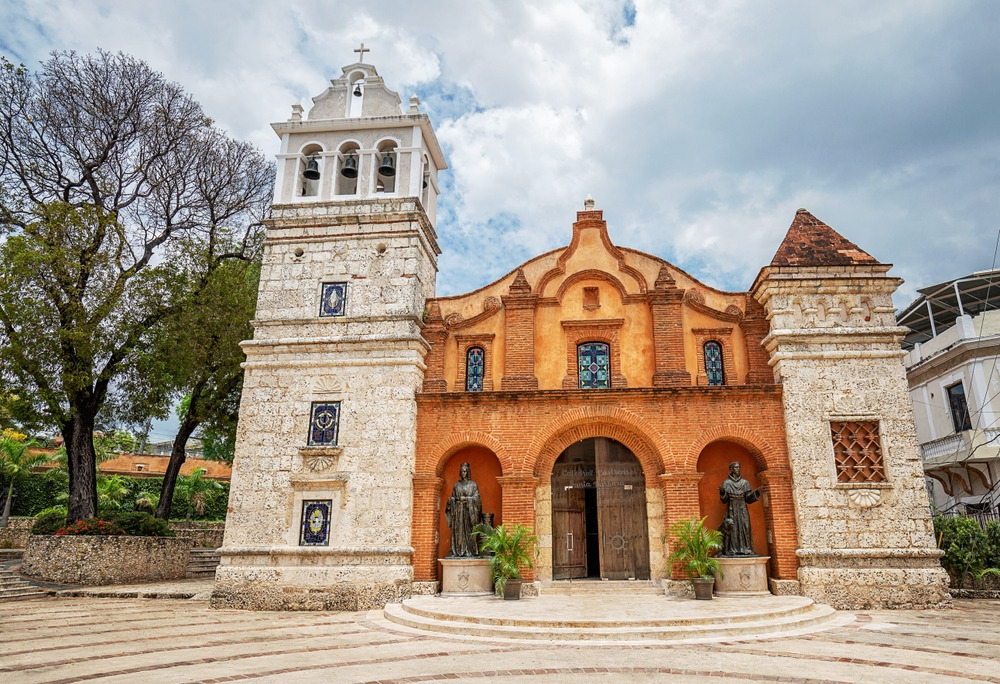
Beyond the exhibition, the colonial building that houses it, just steps away from the Primate Cathedral of the Americas, makes it a natural stop during a walk through the historic center of Santo Domingo, a UNESCO World Heritage site.
History of Larimar and the Museum
Larimar was spotted as early as 1916, but its true value wasn't recognized until 1974. That year, Miguel Méndez, a local craftsman, and Norman Rilling, a Peace Corps volunteer, rediscovered it on the coast of Barahona. The name "Larimar" comes from a combination of Méndez's daughter's name, Larissa, and the Spanish word "mar," which evokes the stone's marine hue.
From a mineralogical perspective, larimar is a blue variety of pectolite, classified among semi-precious stones. Its color, ranging from milky white to deep turquoise blue, comes from the presence of copper in the original volcanic rock.
The museum was inaugurated to document this history and introduce the stone to the broader public. It is the second establishment opened by Ámbar Nacional—Ambasa, following the Museo Mundo de Ámbar dedicated to Dominican amber, another emblematic material from the island.
What You Can See
The visit unfolds across several rooms, organized by theme:
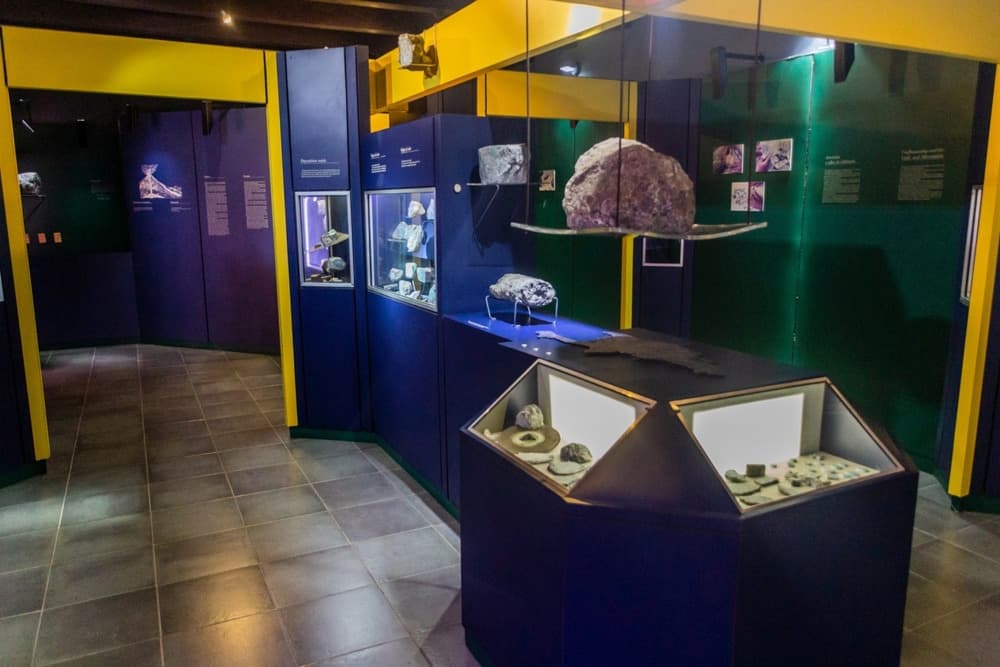
- Geological formation: panels and raw rock samples illustrating the volcanic processes that created blue pectolite.
- Discovery history: documents, photographs, and objects related to Miguel Méndez and early extraction efforts in Barahona.
- Active workshop: opportunity to observe artisans cutting, polishing, and setting stones on-site, step by step.
- Collection of jewelry and objects: finished pieces ranging from simple cabochons to settings worked in silver or gold.
- Shop: sale of certified pieces, useful for avoiding common imitations found in tourist markets.
Explanations are available in several languages, including English, making the visit accessible without an external guide.
Practical Information
- Duration: plan for approximately 45 minutes to 1 hour to tour all rooms, longer if you take time to observe the artisans.
- Admission: moderate entry fee, sometimes waived for shop visitors. Prices subject to change.
- Hours: open year-round, Monday through Saturday during daytime. Verify current hours before your visit.
- Photography: generally permitted in exhibition rooms, to be confirmed on-site for the workshop.
- Accessibility: colonial building with a few steps; partial access for people with reduced mobility.
How to Get There
The museum is located on Calle Isabel la Católica, in the Colonial Zone of Santo Domingo, in immediate proximity to the Primate Cathedral of the Americas and Plaza de España. From most hotels in the historic center, access is on foot in a few minutes.
If you're staying in the neighborhoods of Gazcue, Piantini, or Naco, plan for 10 to 20 minutes by taxi or ride-sharing app, depending on traffic. The Santo Domingo Metro serves the area via the Francisco Gregorio Billini station (Line 1), approximately 15 minutes' walk away.
What to See Nearby
The Colonial Zone concentrates the main historical sites of Santo Domingo. Just steps from the museum, you can continue to the Primate Cathedral of the Americas, Plaza de España, the Alcázar of Colón, or the pedestrian street El Conde.
To further explore the country, several sites are worth the detour:
- Altos de Chavón, a reconstituted artists' village in Mediterranean style, in the eastern part of the country.
- The Cave of Wonders, known for its Taíno pictographs.
- Dudù Lagoon and Gri Gri Lagoon, two natural spaces representative of landscapes in the north.
- Cayo Arena, a small white sand island accessible by boat from Punta Rucia.
Frequently Asked Questions
Frequently asked questions
Plan for 45 minutes to 1 hour to tour the rooms. If you wish to observe the artisans in detail at the workshop or explore the shop, plan for around 1.5 hours.
Yes. The only known deposits are found in Barahona Province in the country's southwest. This geographic exclusivity makes it one of the rarest stones in the world.
The museum has a shop with certified pieces. It's generally more reliable than street markets, where imitations in resin or dyed pectolite are common.
Yes. The presence of the workshop and the discovery of raw samples make the visit hands-on and accessible to younger visitors, without being too lengthy.
The panels are translated into several languages, including English, along with Spanish and French.
Include the Larimar Museum in Your Trip
This visit integrates naturally into a stay in the capital, complementing a broader itinerary blending colonial heritage, Caribbean beaches, and nature. To plan your itinerary, consult our suggestions for travel in the Dominican Republic and adapt the program to your interests.
Interested in this visit?
We can include it in your personalised itinerary.