Saona Island
Saona Island
Unspoiled beaches, natural pool, mangroves home to manatees and a fishing village: complete guide to visiting Saona Island from Bayahibe or Punta Cana.
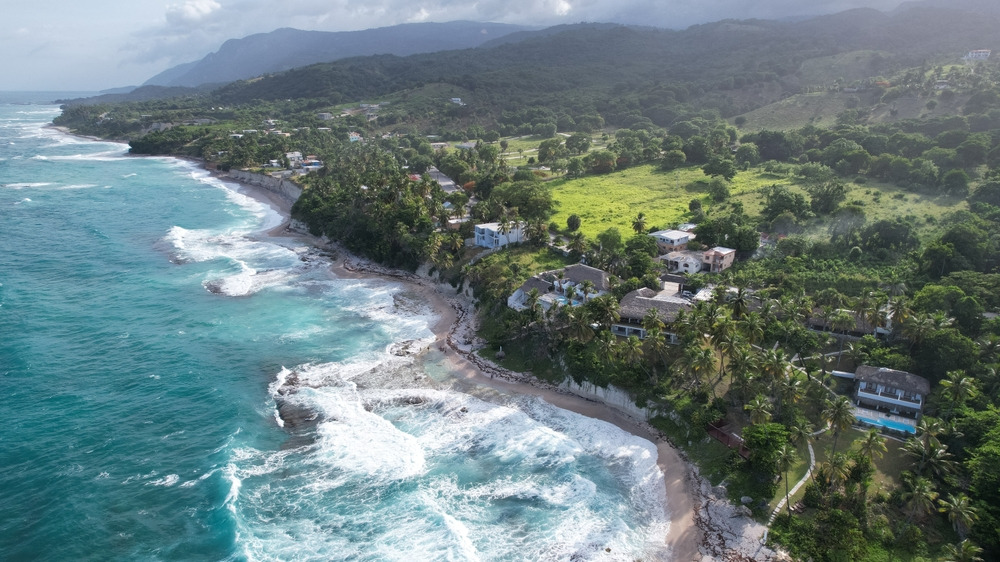
Saona Island doesn't trade on entertainment. It remains true to its identity: a protected territory, shaped by wind, waves, and the peaceful rhythms of Mano Juan village. Calm beaches, a discreet settlement, marine wildlife visible to the naked eye—this paradisiacal destination is a joy to explore. Its location off the southeastern coast of the Dominican Republic makes it an easy and popular getaway from Bayahibe.
A wonderful escape to disconnect without straying too far.
History
The island was discovered by Christopher Columbus during his second voyage to the New World in 1494. He named it Saona in tribute to an Italian friend. Yet the island was already inhabited by the Taíno, an indigenous people whom Columbus called Adamanay.
Over time, they migrated to the mainland, leaving the island nearly uninhabited for long periods. This lasting tranquility allowed nature to flourish and the island to remain pristine.
Today, Saona is part of the East National Park, also known as Cotubanama Park. This protected status safeguards the island and its rich heritage.
Escape to Saona Island
Saona Island is a slice of paradise lying just 2.4 km offshore from the southeastern coast of La Altagracia province, in the Dominican Republic. It spans 110 square kilometers and forms part of Cotubanamá National Park, benefiting from protected nature reserve status.
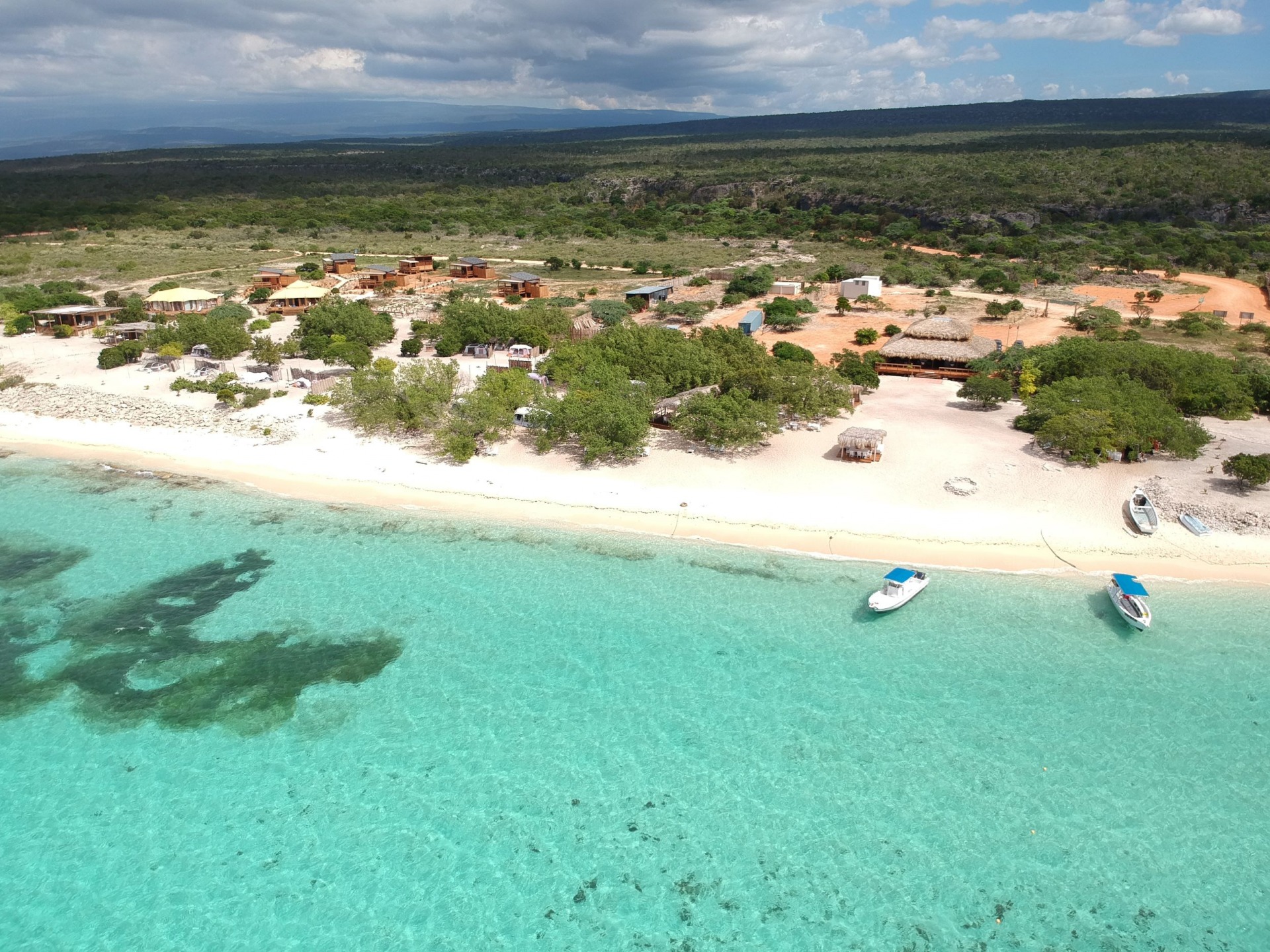
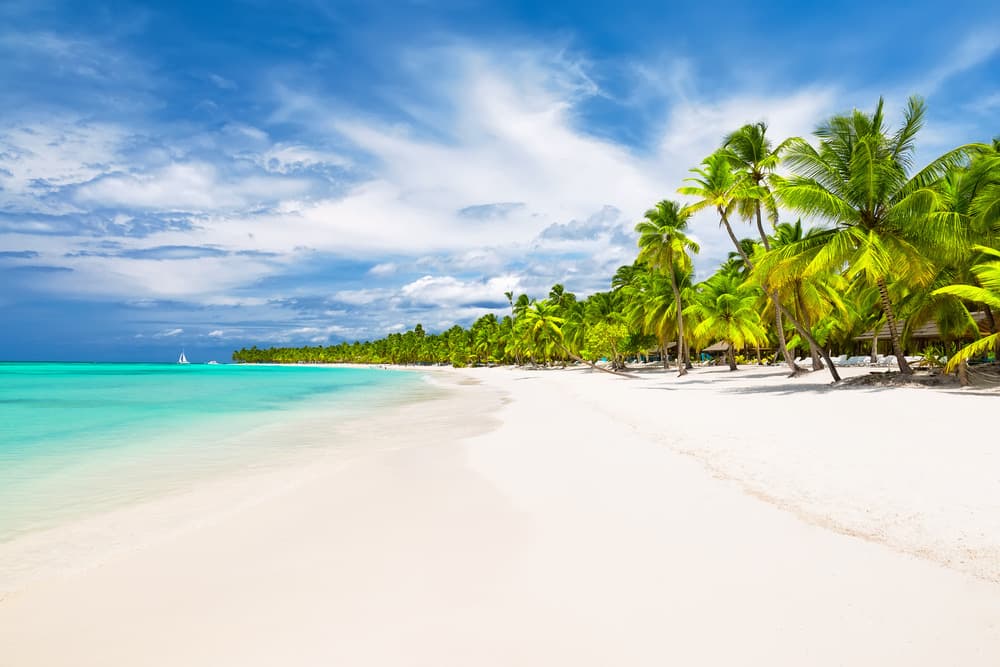
Two permanent communities call it home: Mano Juan village and the Catuano naval base. Saona attracts numerous visitors thanks to its natural beaches accessible by catamaran or boat from the coast. Discover Playa del Este, Playa Mano Juan, Playa Canto de la Playa, Playa de los Flamencos, Playa Catuano, Playa El Toro, and Playa de Palmilla—each a perfect stop to unwind in a tropical setting.
Beyond the beaches, the island shelters several lagoons, the largest being Secucho, situated inland. The lagoons of Canto de la Playa and Las Flamencos complete the southern landscape.
Saona is also a favorite destination for day-long excursions.
Natural treasures await
Flora
This dream destination reveals the full richness of vegetation typical to the Dominican Republic. Four distinct ecosystems thrive here: shrublands, semi-humid forests, salt forests, and mangroves.
Fauna
It also harbors diverse fauna, both underwater and on land. This is the prime destination for ecotourism enthusiasts and nature observers.
Divers and snorkelers can spot Caribbean reef squid. This small mollusk rapidly changes color to blend into its surroundings, making it sometimes difficult to detect.
On the seafloor, the stingray moves slowly along. It can reach a wingspan of approximately 1.5 meters.
Coral reefs provide shelter for moray eels. Rather discreet during the day, they become active at sunset.
In shallow waters, porcupinefish—also called pufferfish—protect themselves with their spines. When threatened, they can inflate themselves.
On land, mangroves welcome several bird species. The red-footed booby, recognizable by its red feet and blue beak, is among the species you may observe.
The call of the Palm Chat, the national bird of the Dominican Republic, rings out from the palm trees. Small and easily spotted, it's known for its distinctive song.
The white-crowned pigeon also lives in the mangroves. Its white feathers on the head set it distinctly apart from other pigeons.
What to do?
Beyond its fine-sand beaches, the island invites you to experience moments outside of time.
Begin by discovering the natural pool. This sandbar stretching into the heart of the ocean, where crystalline water reaches your waist. Watch starfish drift peacefully around you.
Then immerse yourself in history by visiting Cotubanamá Cave. Here, traces of pre-Columbian art stand alongside the memory of the Taíno chief who courageously resisted Spanish invaders.
Mano Juan village welcomes you for a convivial pause. Wander its streets, share a drink or a traditional meal.
For nature lovers, hiking trails through tropical vegetation offer refreshing walks to discover local flora and fauna from another perspective.
Finally, embark on a boat excursion through the mangroves. Glide silently through tunnels of greenery, observe rare birds. If fortune smiles, you might encounter manatees inhabiting these protected waters.
Practical information
Climate
Saona's climate is tropical, with alternating dry and wet seasons.
When to visit?
December through April offer the best weather conditions, ideal for fully enjoying the island.
The island is easily accessible by boat from the main beach resorts of the Dominican Republic, such as Punta Cana or Bayahibe.
Several options are available:
- Organized excursions: many operators offer full-day outings. These packages typically include boat transport, lunch, and onsite activities. Rates are approximately 100 USD per person.
- Private boat rental: for more freedom, rent a boat from Bayahibe. Prices vary depending on the vessel size and rental duration.
Public shuttle: regular service connects Bayahibe to Mano Juan. The journey takes approximately one hour and costs around 20 USD per person.
Want to discover this destination?
Our local advisors design your tailor-made trip.