Gri Gri Lagoon
Gri Gri Lagoon
At Río San Juan on the Dominican Republic's north coast, Gri Gri Lagoon is explored by boat amid mangroves, the Swallows Cave, and Caleton Beach.
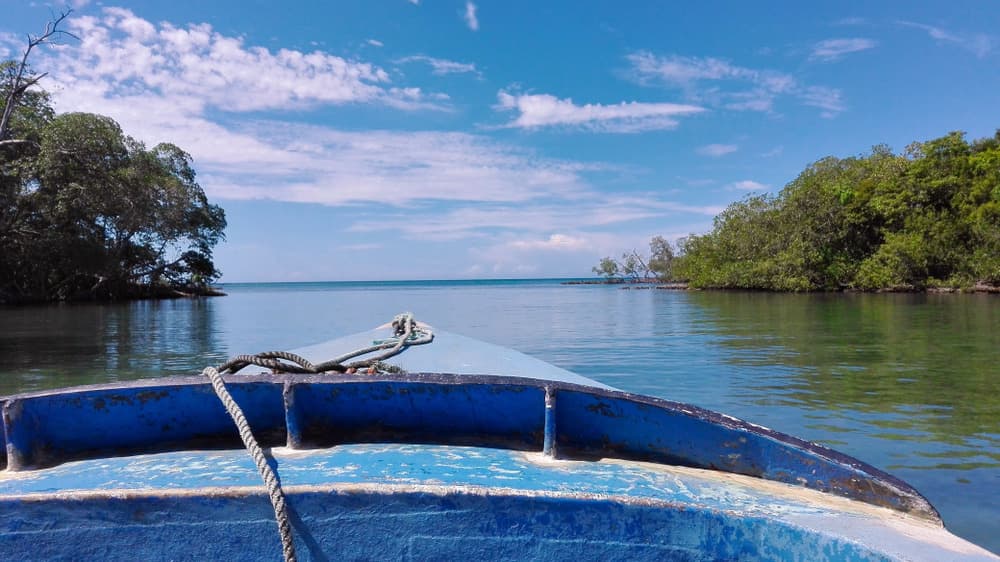
On the north coast of the Dominican Republic, at the edge of the fishing village of Río San Juan, Gri Gri Lagoon forms a brackish body of water lined with mangroves. Visitors come for the boat ride that winds through narrow channels toward the sea, to observe local wildlife, and to reach nearby beaches accessible only by water.
Why Visit Gri Gri Lagoon
The lagoon offers a rare contrast to the picture-perfect beaches of the Dominican north coast: here, the water is calm, framed by dense vegetation, and travel is by small motorized boats. The classic tour leads to Swallows Cave and then to Caleton Beach, passing through natural pools where you can swim.
The site remains intimate in scale, operated by the fishermen and boatmen of Río San Juan. It makes an ideal complement to a stay in the Puerto Plata or Sosúa region, pairing well with a beach day.
History and Formation
The lagoon's name comes from a local tree called "gri gri," with hardwood, that grows in the humid or semi-humid zones of the region and borders the water. Its strong presence eventually came to designate the entire site.
The lagoon formed in 1958, following an earthquake that brought underground waters to the surface. These waters, which had previously fed a simple spring, spread to create the body of water we see today. They continue to feed the lagoon and flow directly into the sea at the end of the channels.
What to See and Do
The main activity is the boat tour, organized by local fishermen departing from Río San Juan's dock. The journey typically lasts one to two hours and includes several stops.
- Navigation through the mangroves: narrow channels open onto wider zones where herons, vultures, tropical birds, and iguanas can be observed.
- Swallows Cave: a coastal cavern accessible from the water, named for the birds that nest there.
- Natural pools: clear-water zones ideal for swimming, near the river mouth.
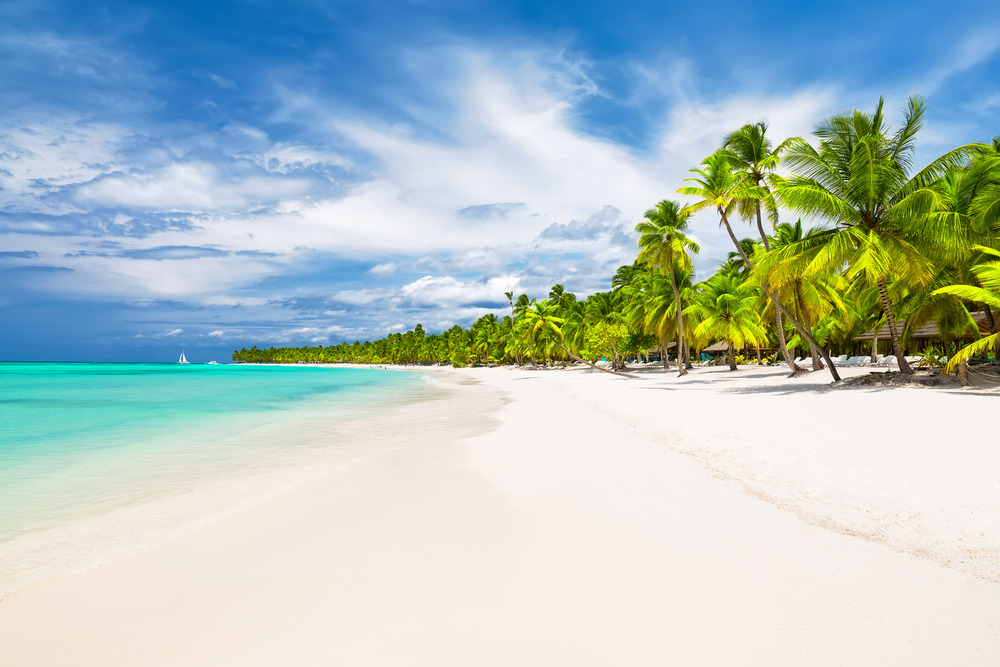
- Caleton Beach: a small sandy cove accessible by boat from the lagoon, popular for its shallow water.
- Nearby beaches: Los Minos and Los Muertos, just a short distance away, round out the day.
On the dock, a few restaurants serve fresh fish and seafood. Shops offer souvenirs and local crafts.
When to Go
Late afternoon and sunset are often cited as ideal times for the boat ride: the light is softer and bird activity, more visible above the mangroves just before reaching the sea, is more pronounced. The dry season, December to April, offers the most stable sailing conditions. The rainy season (May to November) remains navigable, with occasional showers rather than sustained bad weather.
Practical Information
Boat tours are organized directly at the dock, either in groups or privately. Allow one to two hours for the full circuit. Rates and schedules vary by season and number of participants; it's useful to compare among several boatmen.
What to bring:
- Swimsuit and towel for swimming at the natural pools and Caleton Beach.
- Sunscreen and a hat, as the boat offers little shade.
- Mosquito repellent, especially late in the day near the mangroves.
- Cash; card payments are rare at the dock.
How to Get There
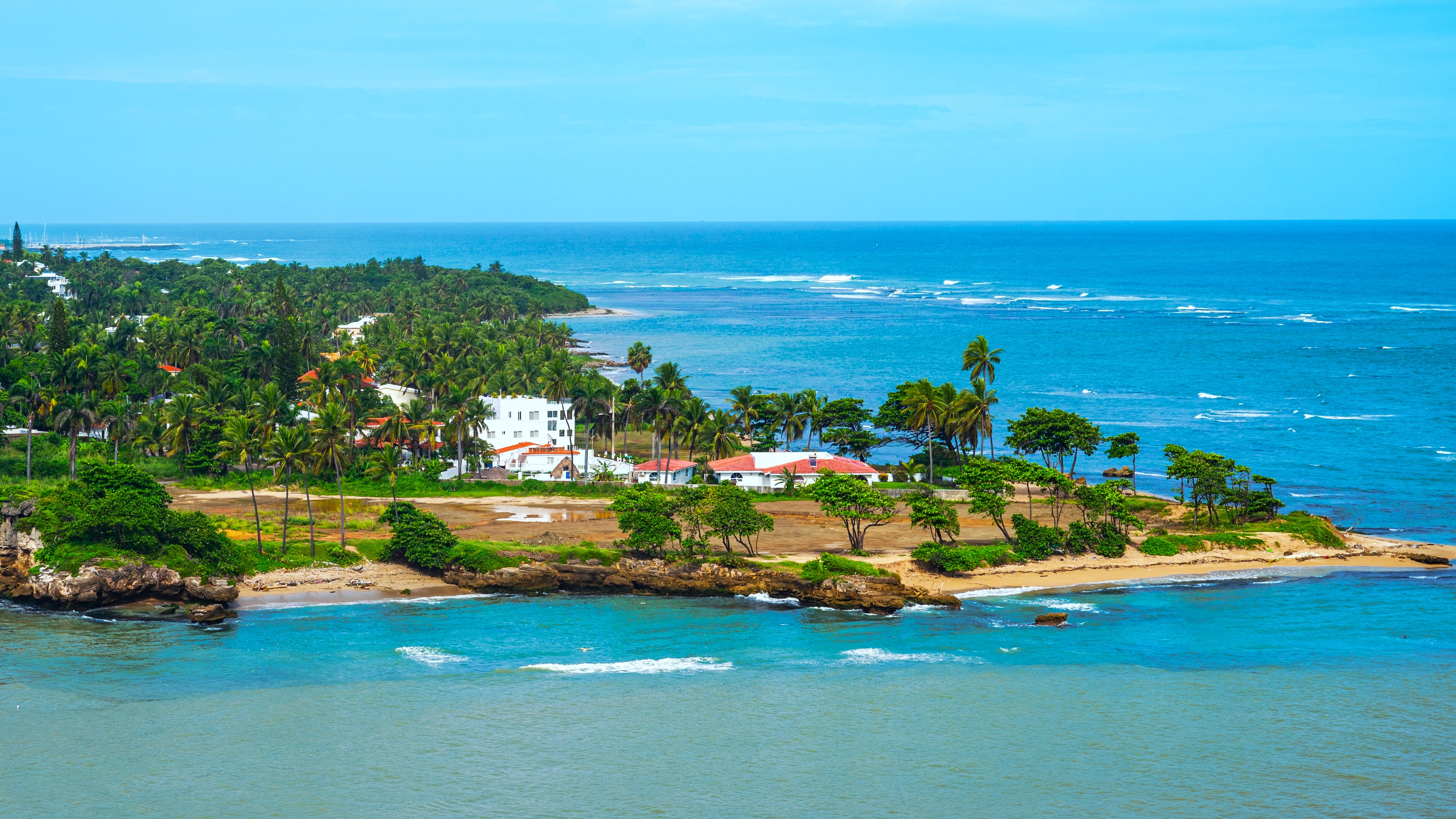
Río San Juan is located on the north coast, in María Trinidad Sánchez province, roughly halfway between Puerto Plata and the Samaná Peninsula. From Puerto Plata or Sosúa, plan for about one to one and a half hours of driving along the coast. From Santo Domingo, the journey takes four to five hours via the northern highway.
Long-distance buses serve Río San Juan from the country's major cities. Car rental remains the most flexible option for combining the lagoon with other north coast sites. Once in town, the lagoon dock is signposted and accessible on foot from the center.
Nearby Attractions
The north coast region includes several complementary sites:
- The Dudù Lagoon, another karstic body of water, further east along the same coastal road.
- The Cave of Wonders, an underground site decorated with Taíno petroglyphs.
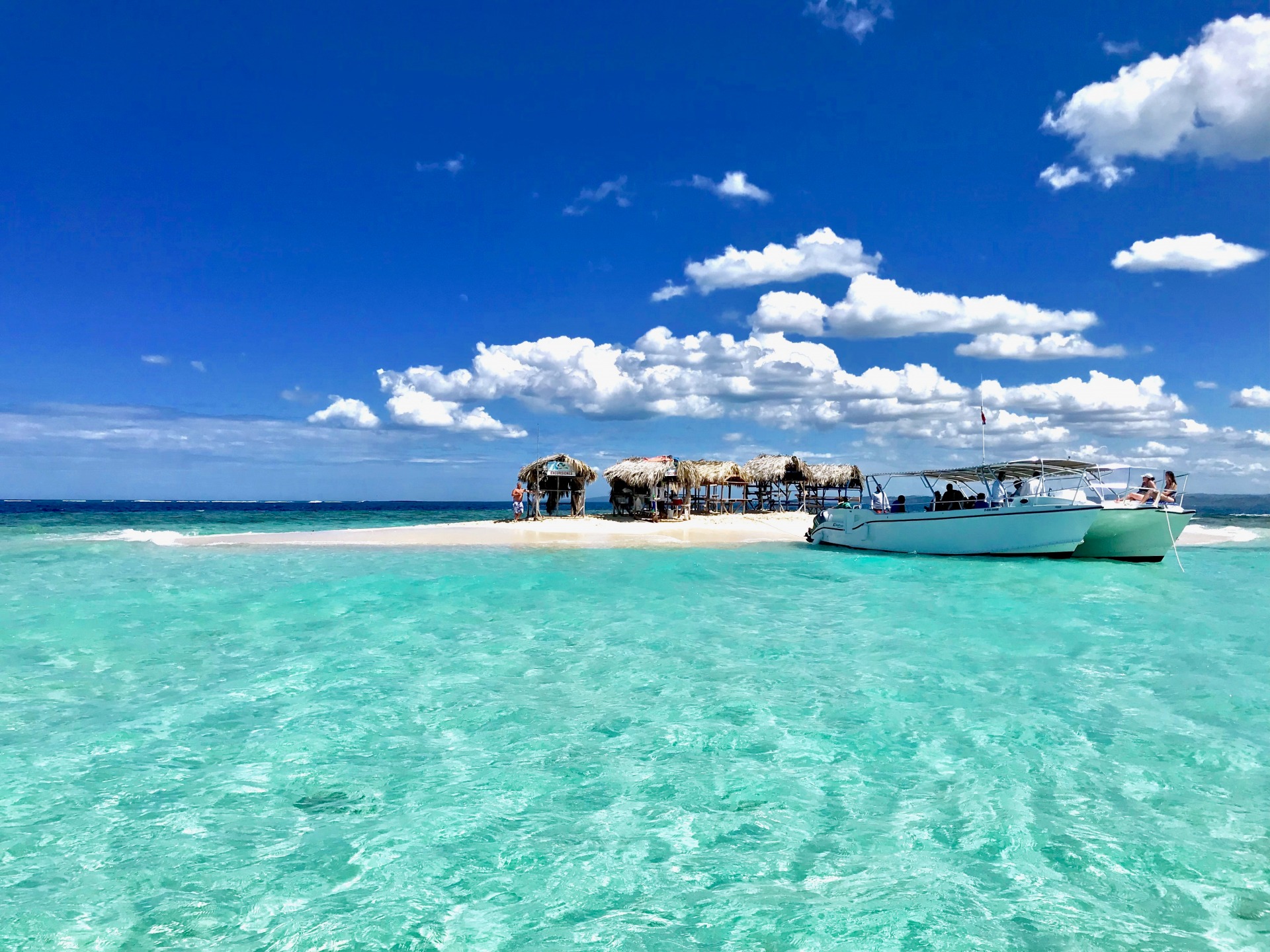
- Cayo Arena, a sandbank off the north-west coast, accessible by boat.
Frequently Asked Questions
Frequently asked questions
The standard boat tour lasts about one to two hours, including stops. Adding time on Caleton Beach and lunch at the dock, plan for a half day.
Swimming is mainly at the natural pools and Caleton Beach, accessible from the boat. The lagoon itself, bordered by mangroves, is not the primary swimming location.
No, tours are organized directly at Río San Juan's dock with the boatmen. During peak season, arriving in the morning gives you better choice of time slots.
Herons, vultures, various tropical birds, and iguanas live in and around the mangrove. Observation chances are best early or late in the day.
Yes, it fits naturally into a north coast itinerary that includes Sosúa, Puerto Plata, Dudù Lagoon, or the Samaná Peninsula.
Plan Your Trip
Gri Gri Lagoon fits naturally into a circuit along the Dominican Republic's north coast. To build a custom itinerary that includes Río San Juan and other regional sites, see our Dominican Republic travel ideas.
Interested in this visit?
We can include it in your personalised itinerary.